
Francis I Released from Captivity (March 1526) …
Years: 1526 - 1526
March
Francis I Released from Captivity (March 1526)
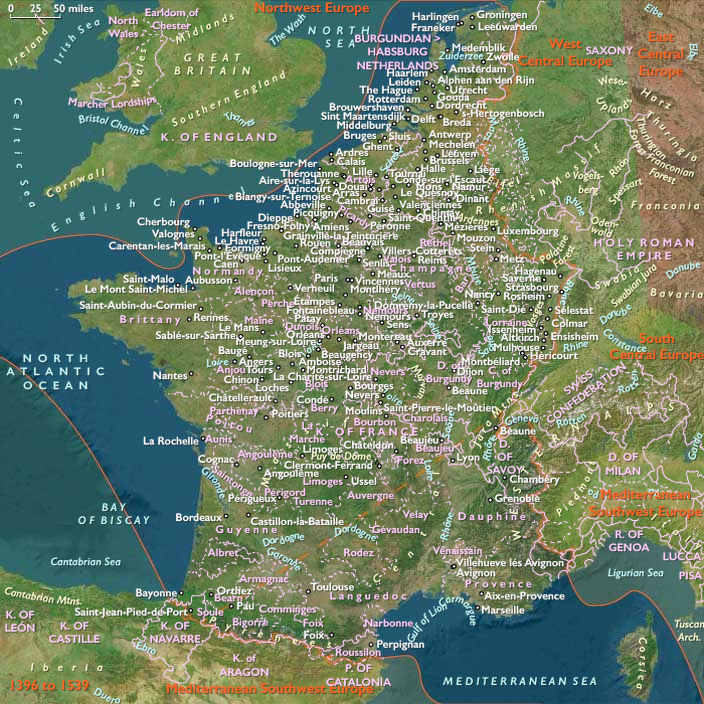
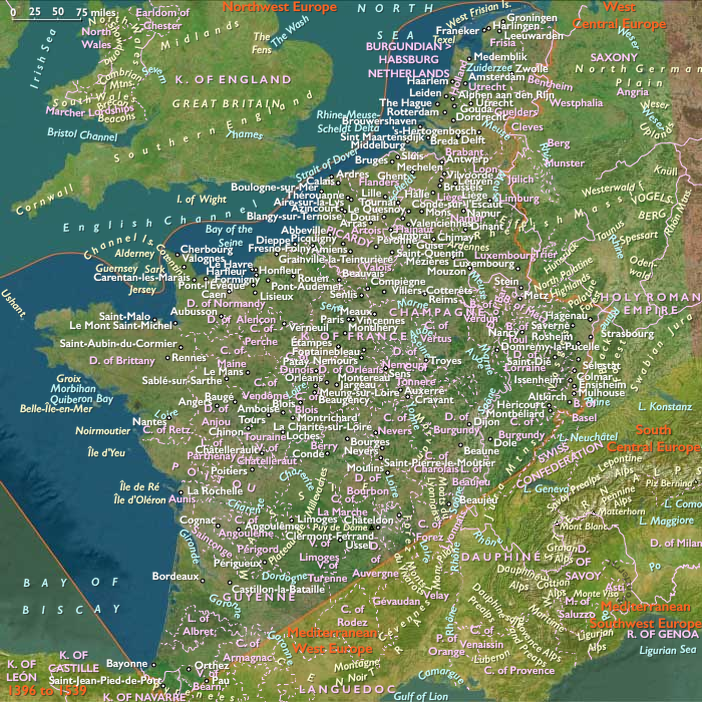
On March 6, 1526, King Francis I is finally released from captivity following the disastrous defeat at the Battle of Pavia(February 1525). Escorted northward by the Imperial envoy, Charles de Lannoy, Francis makes his way toward the French border. On March 18, he crosses the Bidasoa River into Fuenterrabia (Hondarribia), reentering French territory for the first time since his imprisonment.
The terms of his release under the Treaty of Madrid (January 1526) have imposed harsh conditions, including relinquishing claims to territories in Italy and Burgundy and the surrendering of his two young sons, the Dauphin Francisand Prince Henry, as hostages to guarantee compliance. Simultaneously with the king’s return, the princes, escorted by their grandmother and regent, Louise of Savoy, and the French commander Odet de Foix, Viscount of Lautrec, journey southward, crossing into Spain at Bayonne, beginning their captivity as hostages at the Spanish court.
The symbolic exchange underscores the deep personal and political cost of Francis’s capture and release, highlighting both his weakened diplomatic position and France’s determination to avoid the harshest consequences of defeat.
Long-term Consequences and Significance
Francis’s forced concessions to Charles V—including the handing over of his sons—will profoundly shape French foreign policy, fostering resentment and fueling Francis’s future attempts to overturn the humiliating conditions. His immediate rejection of the terms of the treaty upon his return sets the stage for renewed conflict, continued rivalry between France and the Habsburg Empire, and ultimately, the formation of alliances—including with the Ottoman Empire—designed to counterbalance Habsburg supremacy in Europe.
Locations
People
- Anne de Montmorency
- Antonio de Leyva
- Charles III, Duke of Bourbon
- Charles V, Holy Roman Emperor
- Charles de Lannoy
- Eleanor of Austria
- Fernando d'Avalos
- Francesco II Sforza
- Francis I of France
- Georg von Frundsberg
- Henry II, king of Navarre
- Henry VIII of England
- Hugo de Moncada
- Isabella of Portugal
- John Stewart, Duke of Albany
- Louise of Savoy
- Pope Clement VII
- Suleiman I “the Magnificent”
Groups
- Papal States (Republic of St. Peter)
- Flanders, County of
- Genoa, (Most Serene) Republic of
- Austria, Archduchy of
- Artois, County of
- Hungary, Kingdom of
- Swiss mercenaries
- France, (Valois) Kingdom of
- Holy Roman Empire
- Scotland, Kingdom of
- Milan, Duchy of
- Ottoman Empire
- Ferrara, Duchy of
- England, (Tudor) Kingdom of
- Landsknechts
- Naples, Kingdom of
- Spain, Habsburg Kingdom of
- Lutheranism
- Hungary, Royal
Topics
Commodoties
Subjects
Regions
Subregions
Related Events
Showing 5 events out of 5 total
Years: 1526 - 1526
March
Locations
People
- Anne de Montmorency
- Antonio de Leyva
- Charles III, Duke of Bourbon
- Charles V, Holy Roman Emperor
- Charles de Lannoy
- Eleanor of Austria
- Fernando d'Avalos
- Francesco II Sforza
- Francis I of France
- Georg von Frundsberg
- Henry II, king of Navarre
- Henry VIII of England
- Hugo de Moncada
- Isabella of Portugal
- John Stewart, Duke of Albany
- Louise of Savoy
- Pope Clement VII
- Suleiman I “the Magnificent”
Groups
- Papal States (Republic of St. Peter)
- Flanders, County of
- Genoa, (Most Serene) Republic of
- Austria, Archduchy of
- Artois, County of
- Hungary, Kingdom of
- Swiss mercenaries
- France, (Valois) Kingdom of
- Holy Roman Empire
- Scotland, Kingdom of
- Milan, Duchy of
- Ottoman Empire
- Ferrara, Duchy of
- England, (Tudor) Kingdom of
- Landsknechts
- Naples, Kingdom of
- Spain, Habsburg Kingdom of
- Lutheranism
- Hungary, Royal
Topics
Commodoties
Subjects
Regions
Subregions