
The Treaty of Utrecht (1713): The End …
Years: 1713 - 1713
April
The Treaty of Utrecht (1713): The End of the War of the Spanish Succession
The Treaty of Utrecht (1713) was a series of peace agreements that formally ended the War of the Spanish Succession (1701–1714) and redrew the political map of Europe. These treaties were signed in the Dutch city of Utrecht between March and April 1713, involving Great Britain, France, Spain, Portugal, the Dutch Republic, and Savoy. The agreements established a new balance of power in Europe and granted Britain significant colonial and commercial advantages.
Background: Peace Negotiations Begin (1711–1712)
- France and Britain had reached a preliminary peace agreement in October 1711, tacitly accepting the partition of Spain’s European territories.
- The Congress of Utrecht opened on January 29, 1712, with British representatives John Robinson (Bishop of Bristol) and Thomas Wentworth (Lord Strafford) leading negotiations.
- The Dutch reluctantly participated, while the Holy Roman Emperor Charles VI only joined after assurances that the preliminaries were not binding.
- Spain initially did not send representatives, as Philip V was not yet recognized as king, but later participated.
- Philip V signed a renunciation of his claim to the French throne on July 10, 1712, resolving a major point of contention.
- With Great Britain and France agreeing to a truce, negotiations accelerated, culminating in the formal signing of the treaties in 1713.
Key Terms of the Treaty of Utrecht (1713)
✔ Recognition of Philip V as King of Spain
- Britain and Austria formally accepted Philip V as the legitimate King of Spain.
- Philip renounced his claim to the French throne, ensuring that France and Spain would never unite under a single ruler.
✔ Britain’s Territorial and Commercial Gains
- First Treaty of Utrecht (March 27, 1713, between Britain and Spain):
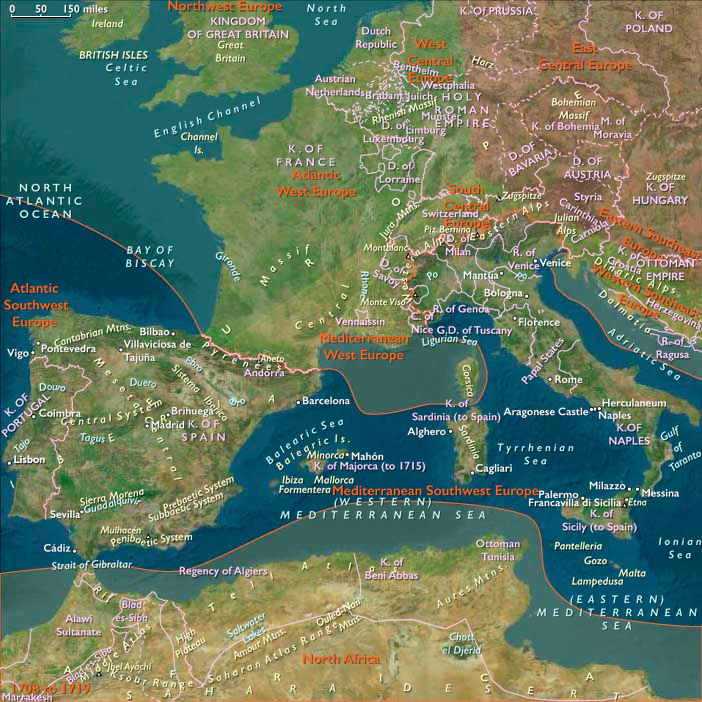
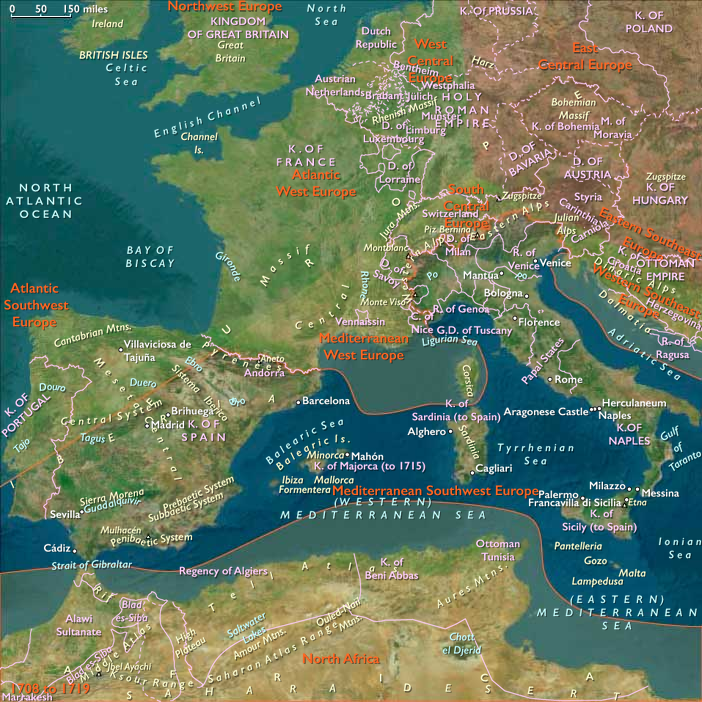
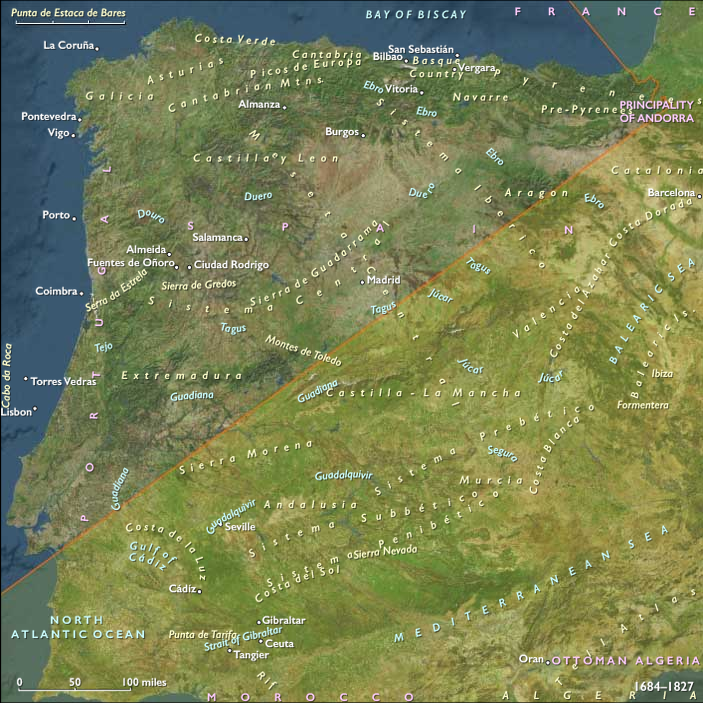
- Spain ceded Gibraltar and Minorca to Britain, strengthening British naval power in the Mediterranean.
- Second Treaty of Utrecht (April 11, 1713, between Britain and France):
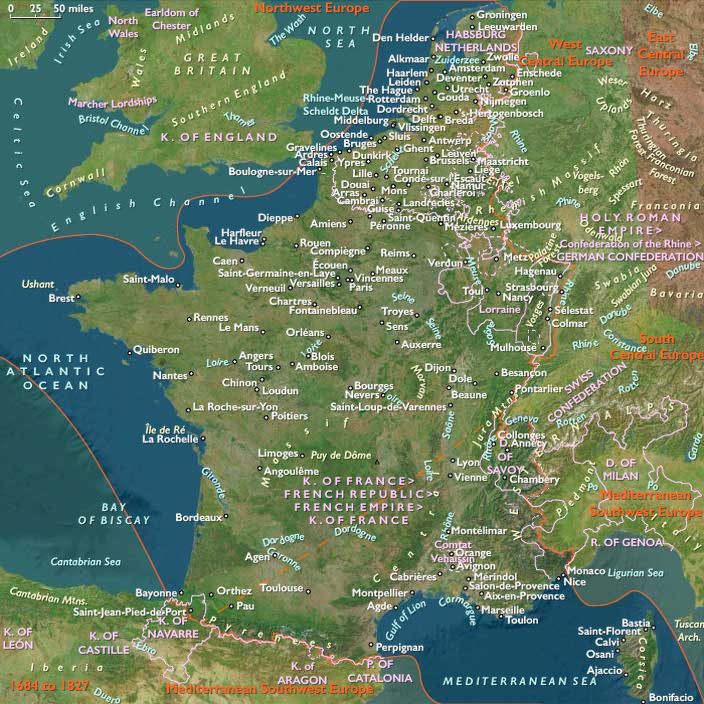
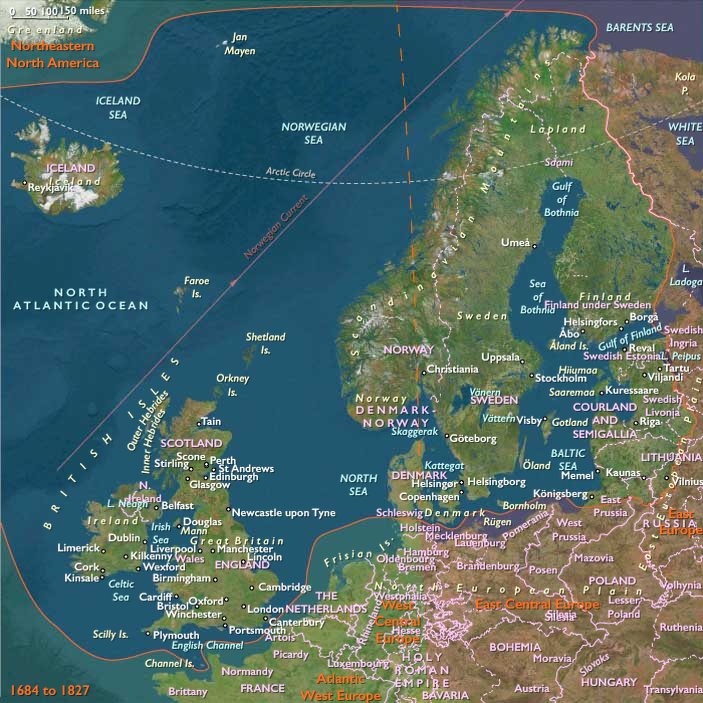
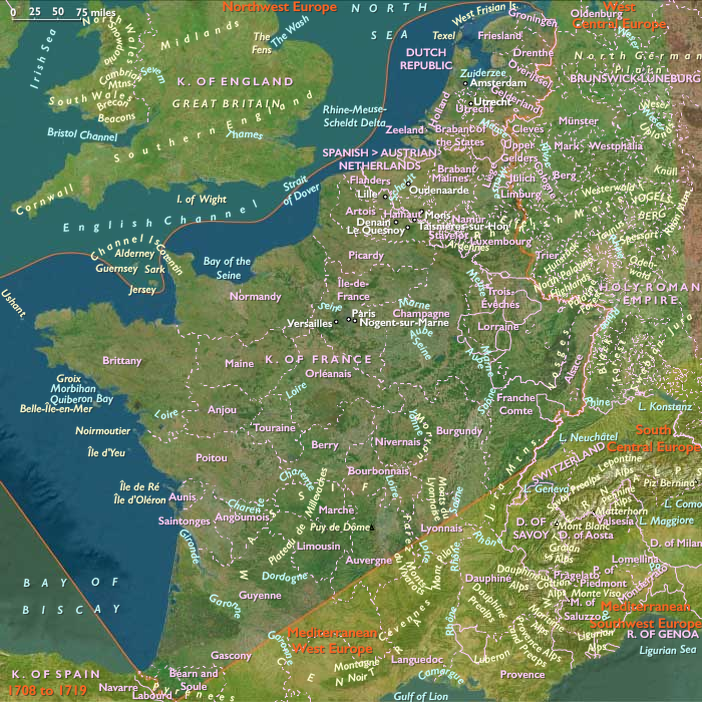
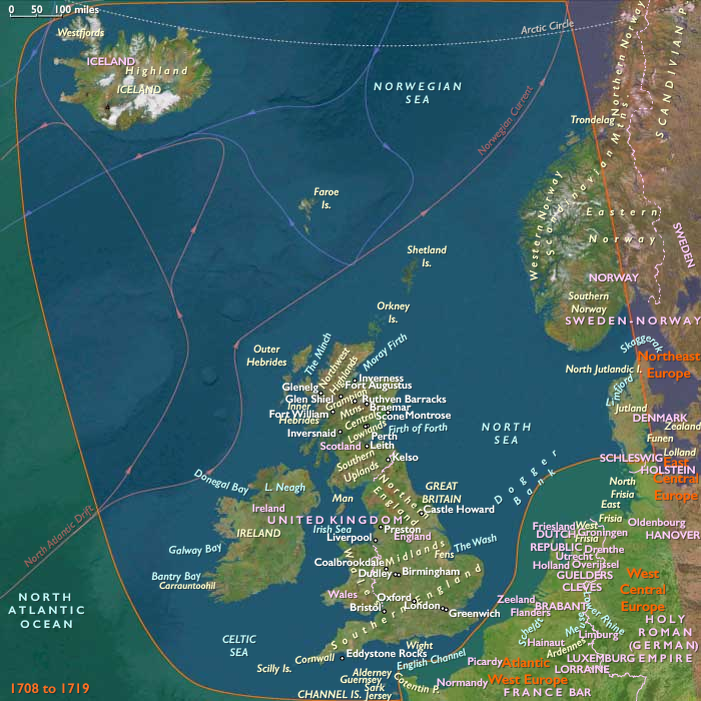
- France ceded Newfoundland, Acadia, Hudson Bay, and St. Kitts to Britain, expanding British influence in North America.
- Britain secured the lucrative Asiento de Negros, granting it exclusive rights to supply enslaved Africans to Spanish America for 30 years, marking a major economic victory.
✔ Division of the Spanish European Empire
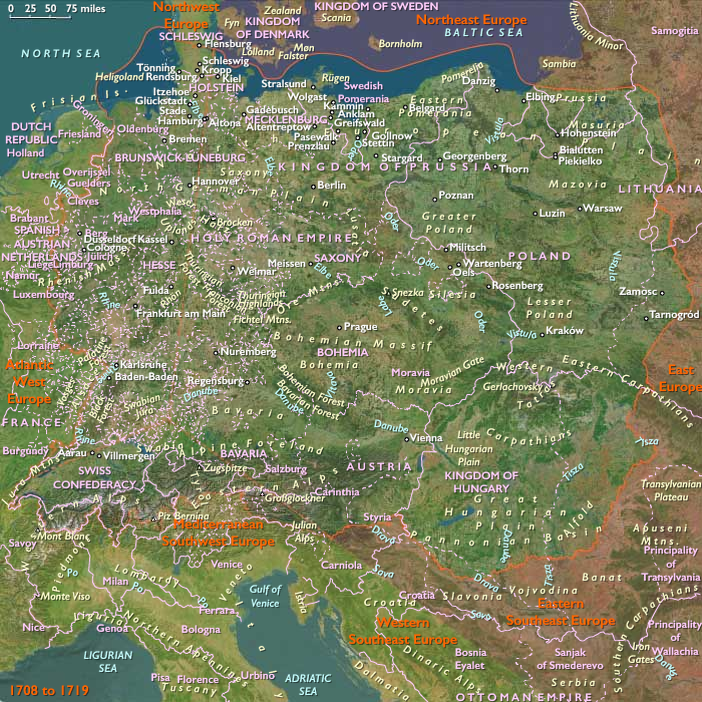
- The Spanish Netherlands (modern Belgium) passed to Austrian control.
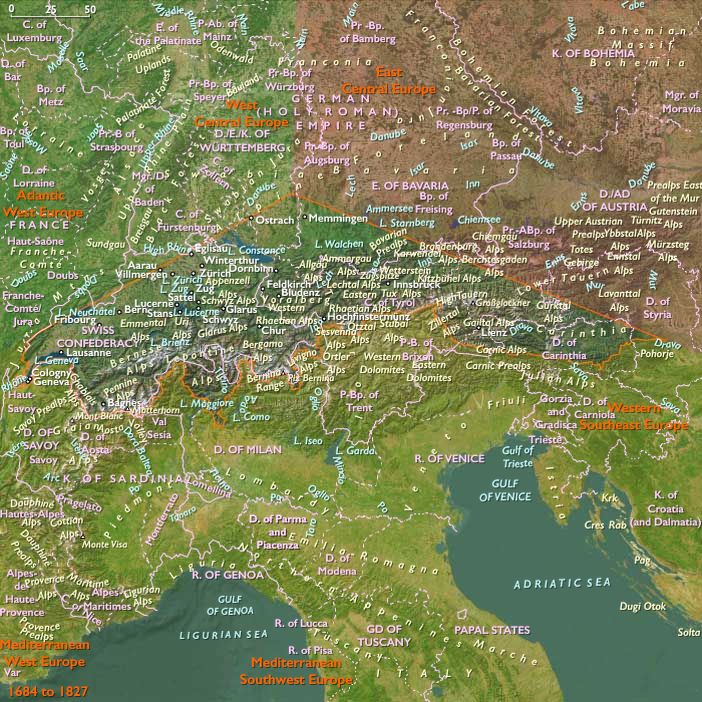
- Savoy received Sicily and parts of the Duchy of Milan.
- The Holy Roman Emperor Charles VI received:
- The Kingdom of Naples.
- Sardinia.
- The bulk of the Duchy of Milan.
✔ French Ambitions Checked
- The treaty ended Louis XIV’s expansionist wars and preserved the European balance of power.
- France acknowledged British sovereignty over the Hudson Bay territories and agreed to fortification limits.
Consequences of the Treaty of Utrecht
✔ Britain Emerges as the Dominant Naval Power
- The treaty solidified British colonial supremacy, paving the way for the British Empire’s global dominance.
✔ Spain’s Decline as a European Power
- The treaty permanently reduced Spanish influence in Europe, though Spain retained its vast American colonies.
✔ Austria’s Rise in Central Europe
- The Habsburgs gained significant territory, making Austria a dominant power in Italy and the Low Countries.
✔ France’s Loss of Prestige and Influence
- Louis XIV’s dream of uniting France and Spain under Bourbon rule was thwarted.
- France was forced to accept Britain’s rise as a naval and colonial rival.
Conclusion: A Turning Point in European History
The Peace of Utrecht (1713) marked the end of France’s aggressive expansion under Louis XIV, securing a new balance of power in Europe. While Philip V remained King of Spain, Spain’s European holdings were divided, and Britain gained crucial commercial and territorial advantages. The treaty laid the foundations for 18th-century European diplomacy, influencing the colonial struggles and power shifts that shaped the modern world.
Locations
People
- Anne, Queen of Great Britain
- Charles VI, Holy Roman Emperor, King of the Romans (King of Germany)
- Eugene of Savoy
- John V of Portugal
- Louis XIV of France
- Philip V of Spain
- Victor Amadeus II
Groups
- Austria, Archduchy of
- Savoy, Duchy of
- Netherlands, United Provinces of the (Dutch Republic)
- Netherlands, Southern (Spanish)
- France, (Bourbon) Kingdom of
- Habsburg Monarchy, or Empire
- Portugal, Bragança Kingdom of
- Spain, Bourbon Kingdom of
- Britain, Kingdom of Great
Topics
Subjects
Regions
Subregions
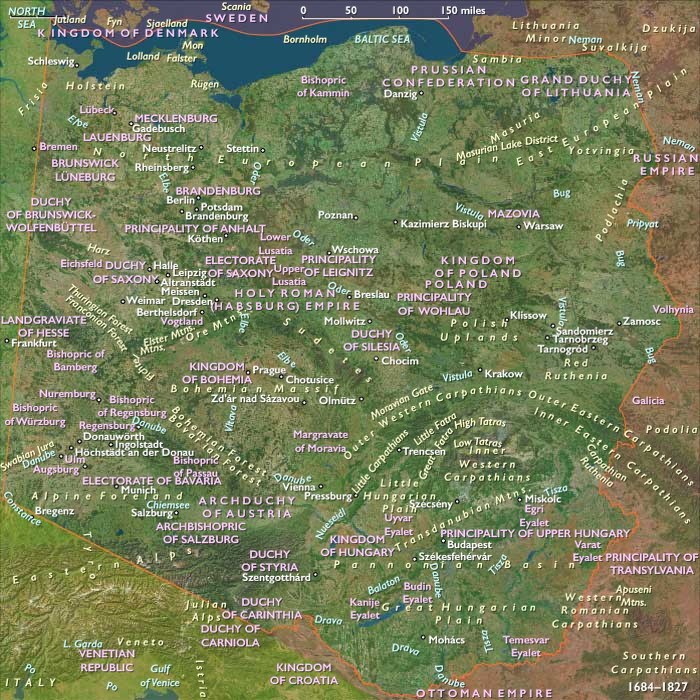
- East Central Europe
- South Central Europe
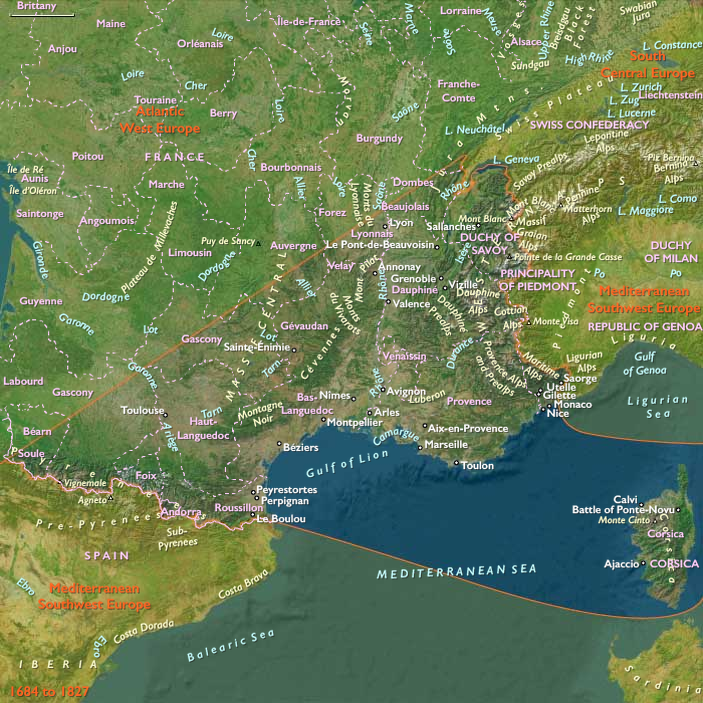
- Mediterranean West Europe
- Mediterranean Southwest Europe
- Atlantic Southwest Europe
- Atlantic West Europe
- Northwest Europe
Related Events
Showing 10 events out of 28393 total
Years: 1713 - 1713
April
Locations
People
- Anne, Queen of Great Britain
- Charles VI, Holy Roman Emperor, King of the Romans (King of Germany)
- Eugene of Savoy
- John V of Portugal
- Louis XIV of France
- Philip V of Spain
- Victor Amadeus II
Groups
- Austria, Archduchy of
- Savoy, Duchy of
- Netherlands, United Provinces of the (Dutch Republic)
- Netherlands, Southern (Spanish)
- France, (Bourbon) Kingdom of
- Habsburg Monarchy, or Empire
- Portugal, Bragança Kingdom of
- Spain, Bourbon Kingdom of
- Britain, Kingdom of Great
Topics
Subjects
Regions
Subregions
- East Central Europe
- South Central Europe
- Mediterranean West Europe
- Mediterranean Southwest Europe
- Atlantic Southwest Europe
- Atlantic West Europe
- Northwest Europe