
Filters:
An extraordinary tale unfolds on the island …
Years: 1492 - 1492
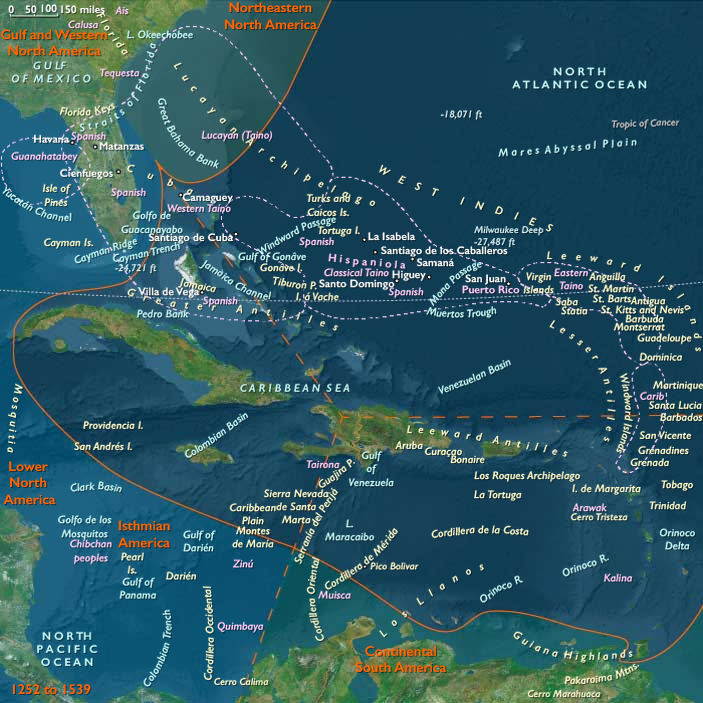
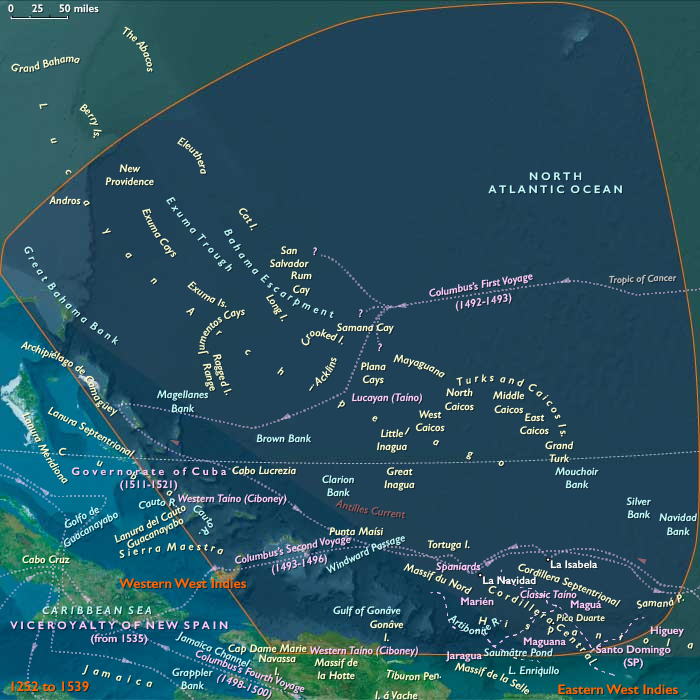
An extraordinary tale unfolds on the island of Hispaniola, a thriving land inhabited by the Taíno and Ciboney peoples, in the year 1492.
These indigenous tribes, numbering between one hundred thousand and five million, built their prosperous societies on the foundations of cassava farming, fishing, and inter-island trade.
Gold jewelry, pottery, and various goods were among the treasures they exchanged.
These indigenous tribes, numbering between one hundred thousand and five million, built their prosperous societies on the foundations of cassava farming, fishing, and inter-island trade.
Gold jewelry, pottery, and various goods were among the treasures they exchanged.
The Taíno people, organized and structured, governed themselves through a system of caciquats or kingdoms.
Five caciques, male or female, presided over the well-ordered society on Quisqueya, each serving as a chief, priest, healer, and local legislator.
Five caciques, male or female, presided over the well-ordered society on Quisqueya, each serving as a chief, priest, healer, and local legislator.
In the north and northeast regions of present-day Haiti and the Dominican Republic, the cacique Guacanagaric ruled over the kingdom of Marien.
This land, situated along the north and northeast coast interior, witnessed the lives and endeavors of its native inhabitants.
This land, situated along the north and northeast coast interior, witnessed the lives and endeavors of its native inhabitants.
But it was on December 6, 1492, that the course of history shifted.
Christopher Columbus, a forty-year-old Genoese navigator also known as Cristóbal Colón, set his sights on Quisqueya.
Anchoring near present-day Cap-Haïtien on the north coast, he christened the land La Isla Española, or Hispaniola in English.
Christopher Columbus, a forty-year-old Genoese navigator also known as Cristóbal Colón, set his sights on Quisqueya.
Anchoring near present-day Cap-Haïtien on the north coast, he christened the land La Isla Española, or Hispaniola in English.
In the decades that followed, the Spanish would enslave a vast number of the island's inhabitants, exploiting them for gold mining.
Tragically, the introduction of European diseases, brutal reprisals, and harsh working conditions led to the devastation of the indigenous population.
By the end of 1513, their numbers will have plummeted to a mere thirty thousand.
Tragically, the introduction of European diseases, brutal reprisals, and harsh working conditions led to the devastation of the indigenous population.
By the end of 1513, their numbers will have plummeted to a mere thirty thousand.
The saga of exploration and conquest in the Northern West Indies had begun.
It was a time of brave voyagers, uncertain discoveries, and encounters that would forever shape the course of history.
It was a time of brave voyagers, uncertain discoveries, and encounters that would forever shape the course of history.
Locations
People
Groups
Topics
Commodoties
- Weapons
- Gem materials
- Grains and produce
- Fibers
- Strategic metals
- Slaves
- Sweeteners
- Poisons
- Narcotics
- Land
- Stimulants
- Rubber
- Tobacco
Subjects
Regions
Subregions
Years: 1492 - 1492
Locations
People
Groups
Topics
Commodoties
- Weapons
- Gem materials
- Grains and produce
- Fibers
- Strategic metals
- Slaves
- Sweeteners
- Poisons
- Narcotics
- Land
- Stimulants
- Rubber
- Tobacco
Subjects
Regions
Subregions