
Fort Mose, located two miles north of …
Years: 1740 - 1740
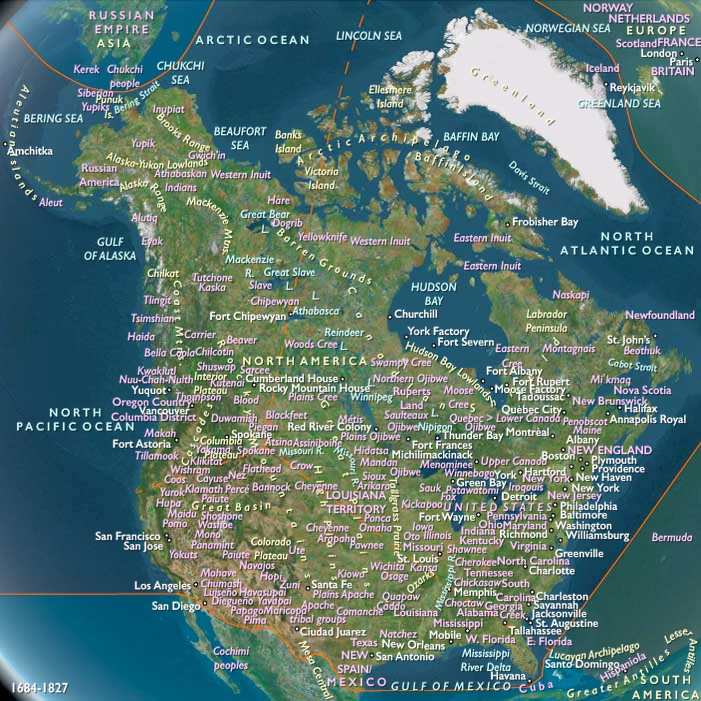
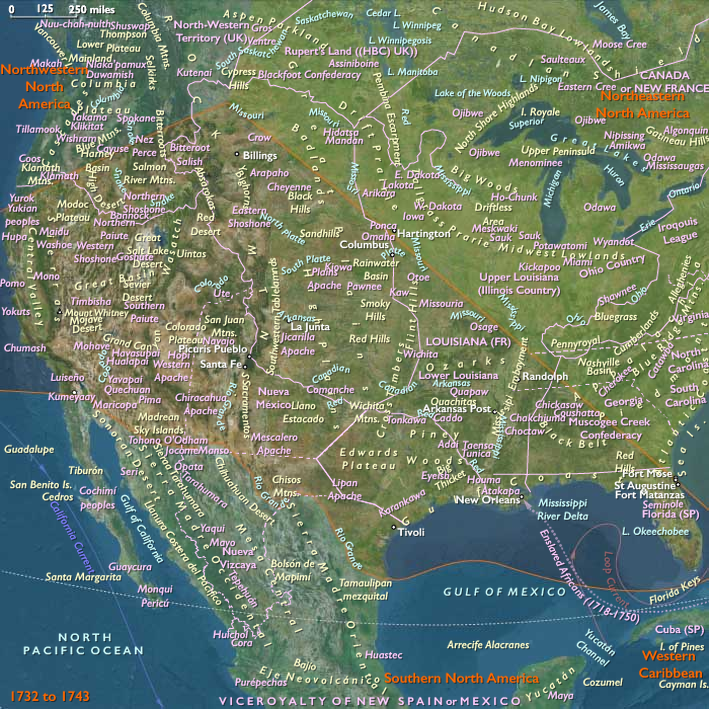
Fort Mose, located two miles north of St. Augustine, had been established in 1738 by escaped black slaves from the British colony of Georgia who had been granted their freedom by Spain in return for Catholic conversion and four years of service to Spain.
The new fort, which is the first settlement of free blacks in North America, consists of a church, a fence with some towers, and some twenty houses inhabited by a hundred people.
The men have been made Spanish militia by Governor Manuel de Montiano and put under the command of Captain Francisco Menendez, a free black with military experience.
Fort Mose's militia had soon become a well-trained unit, as Saint Augustine has had a militia corps of free blacks and mulattoes since 1683.
The fort serves as a maroon colony and as Spanish Florida's front-line of defense against English attacks from the north.
Spain also aims to destabilize the plantation economy of the British colonies to the north by creating a free black community that will serve as a beacon for slaves seeking escape and refuge.
At the outbreak of the War of Jenkins’ Ear in 1739, General James Oglethorpe, governor of Georgia, encouraged by some successful raids in the frontier, had decided to raise a significant expedition to capture St. Augustine from the Spanish.
Regular troops from South Carolina and Georgia, militia volunteers, about six hundred Creek and Uchise allies and about eight hundred black slaves as auxiliaries, make up the expedition, which is supported by sea by seven ships of the British Royal Navy.
Montiano, who only disposes of about six hundred men including reinforcements recently arrived from Cuba, is forced to resist entrenched, although on several occasions he attacks the British lines by surprise.
Approaching St. Augustine, a British party under Colonel John Palmer composed of one hundred and seventy men belonging to the Georgian colonial militia, the Scottish Highlander 42nd Regiment of Foot and the auxiliary native allies, rapidly occupies Fort Mose, strategically situated on a vital travel route.
The fort had been previously abandoned by orders of Manuel de Montiano due the assassination of some of its inhabitants by native allies of Great Britain.
Montiano, who knows the strategic importance of Fort Mose, decides to recover it.
At dawn on June 15, Captain Antonio Salgado commands Spanish regulars, free blacks led by Francisco Menendez and native auxiliaries in a surprise attack on Mose.
The attack is initiated two hours before the British soldiers awake so that they cannot prepare their arms for defense.
About seventy of them are killed in bloody hand to hand combat with swords, muskets and club work.
The Spanish victory at Fort Mose demoralizes the badly divided British forces and supposes a significant factor in Oglethorpe’s withdrawal to Savannah.
St. Augustine is in late June relieved from Havana and the Royal Navy’s warships abandon the land forces.
Governor Montiano commends the free black militia for their bravery, and although Fort Mose had been destroyed during the siege, their inhabitants are installed in St. Augustine for the next decade as free and equal Spanish citizens.
Locations
People
Groups
- Muscogee, or Creek, people (Amerind tribe)
- Cuba (Spanish Colony)
- New Spain, Viceroyalty of
- Florida (Spanish Colony)
- Spain, Bourbon Kingdom of
- Britain, Kingdom of Great
- South Carolina, Province of (British Colony)
- Georgia, Province of (British Colony)
Topics
- Colonization of the Americas, Spanish
- Colonization of the Americas, British
- Jenkins' Ear, War of
- Fort Mose, Siege of
Commodoties
Subjects
- Commerce
- Watercraft
- Engineering
- Labor and Service
- Conflict
- Mayhem
- Faith
- Government
- Technology
- Finance
Regions
Subregions
Years: 1740 - 1740
Locations
People
Groups
- Muscogee, or Creek, people (Amerind tribe)
- Cuba (Spanish Colony)
- New Spain, Viceroyalty of
- Florida (Spanish Colony)
- Spain, Bourbon Kingdom of
- Britain, Kingdom of Great
- South Carolina, Province of (British Colony)
- Georgia, Province of (British Colony)
Topics
- Colonization of the Americas, Spanish
- Colonization of the Americas, British
- Jenkins' Ear, War of
- Fort Mose, Siege of
Commodoties
Subjects
- Commerce
- Watercraft
- Engineering
- Labor and Service
- Conflict
- Mayhem
- Faith
- Government
- Technology
- Finance
Regions
Subregions