
The rule of Alexander's empire following his …
Years: 321BCE - 310BCE
The rule of Alexander's empire following his death in 323 BCE had been given to his half-brother Philip Arrhidaeus and Alexander's son Alexander IV.
However, since Philip is mentally ill and Alexander IV born only after the death of his father, a regent had been named in Perdiccas.
The former generals of Alexander had meanwhile been named satraps of the various regions of his empire.
Alexander’s successors are the founders of the territorial kingdoms of the Hellenistic world, in which warfare will be almost continual from 321 BCE to 301 BCE.
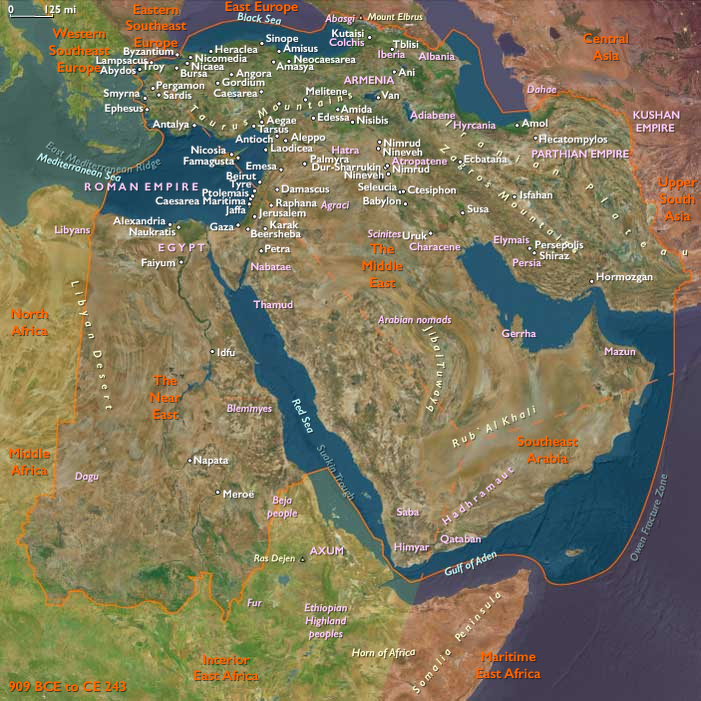
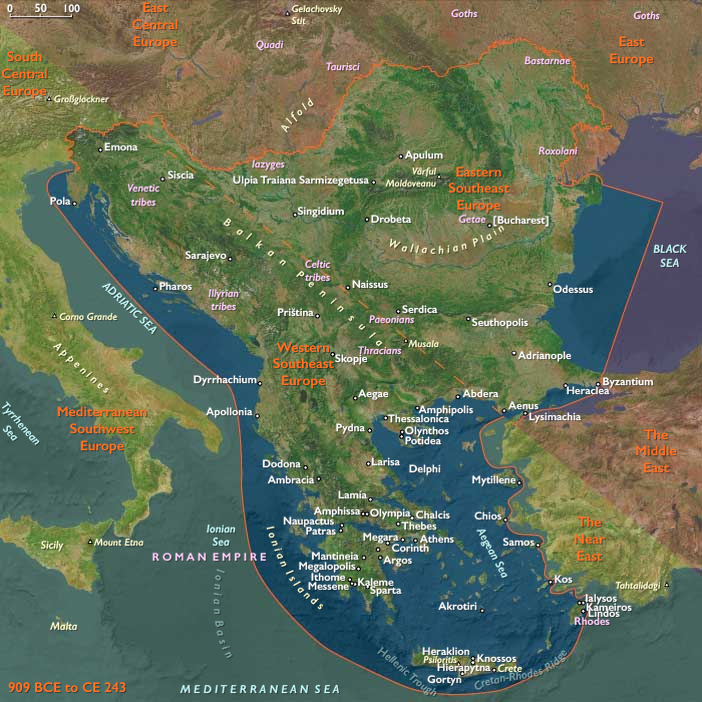
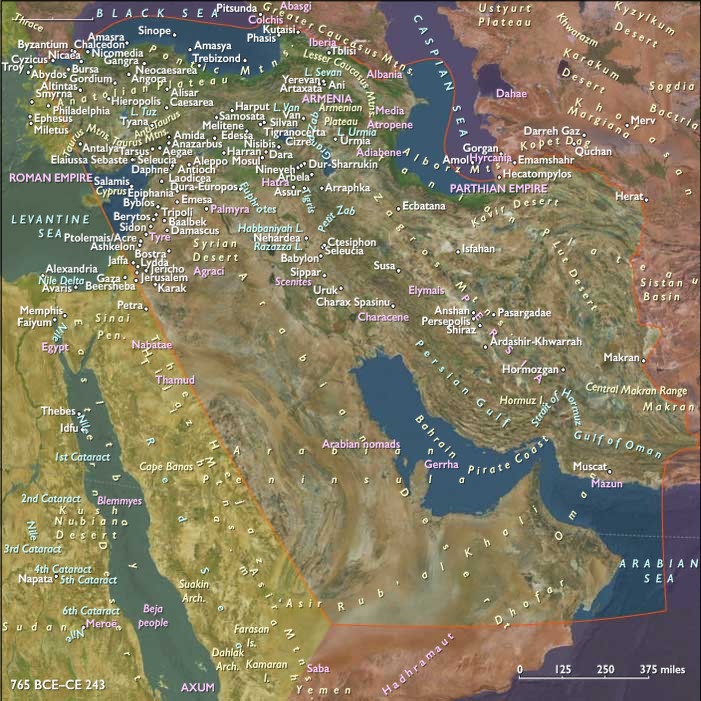
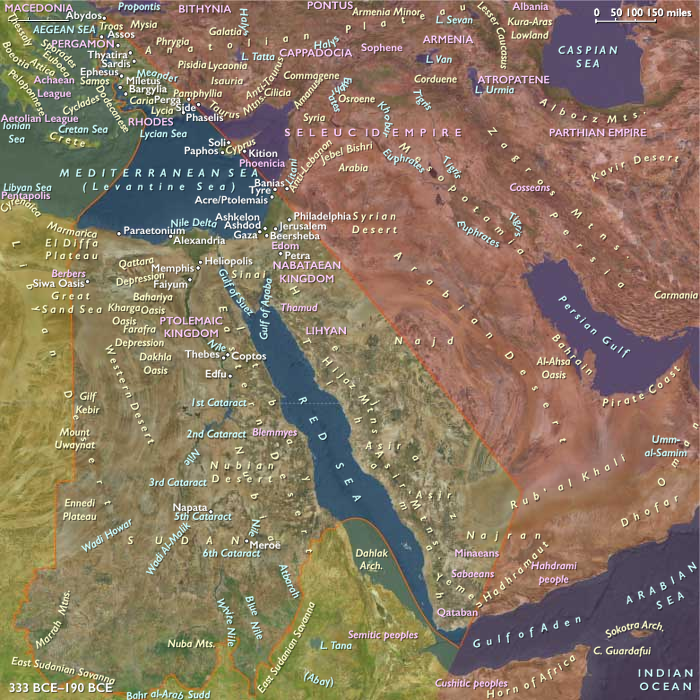
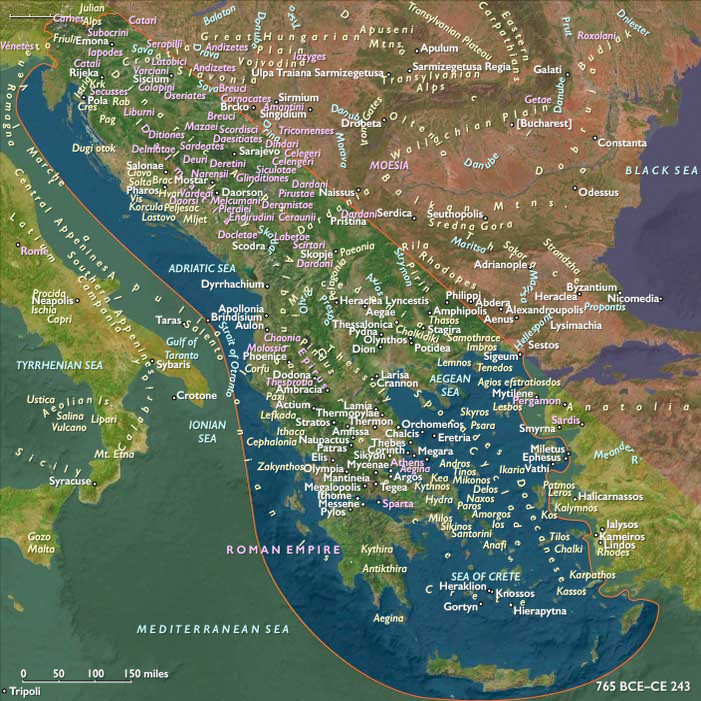
The twenty-year power struggle will divide Alexander’s empire into several parts, including mainland Greece and Macedonia, Syria and Mesopotamia, and Egypt.
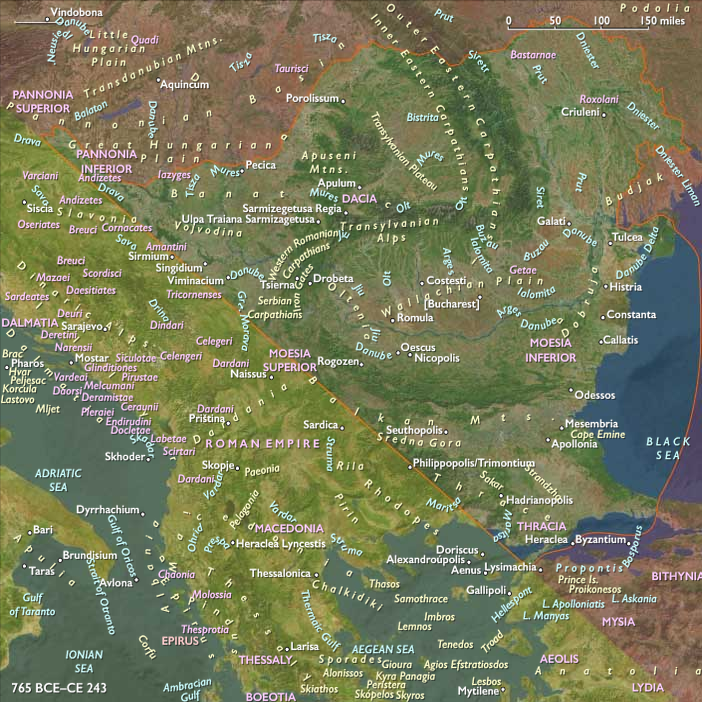
Macedonia itself remains the heart of the empire, and its possession, along with the control of Greece, is keenly contested.
The rival generals, ultimately seven in number with the addition of Antipater's son Cassander and Antipater's appointee, Polyperchon, are known to modern historians as the “Diadochi,' (Greek: “successors”), a term introduced by German historian Johann Gustav Droysen in the nineteenth century.
Several satraps are eager to gain more power, and when Ptolemy, satrap of Egypt, rebels with other generals, Perdiccas moves against the former but is killed by a mutiny in his camp.
Ptolemy declines the regency and instead brings to the office Peithon and Arrhidaeus.
This designation meets the strong opposition of Eurydice, wife of king Philip III, leading, in the meeting called in 321 BCE at Triparadisus of all the diadochi, to their replacement with Antipater.
The meeting also proceeds to divide again the satrapies between the various generals.
People
- Alexander IV of Macedon
- Antipater
- Cassander
- Perdiccas
- Philip III Arrhidaeus
- Polyperchon
- Ptolemy I Soter
Groups
Topics
Subjects
Regions
Subregions
Related Events
Showing 1 events out of 1 total
Years: 321BCE - 310BCE
People
- Alexander IV of Macedon
- Antipater
- Cassander
- Perdiccas
- Philip III Arrhidaeus
- Polyperchon
- Ptolemy I Soter
Groups
Topics
Subjects
Regions
Subregions