
Advancements in Weapon Construction by 18,000 BP …
Years: 16461BCE - 14734BCE
Advancements in Weapon Construction by 18,000 BP
By 18,000 BP, early humans had made significant technological advancements in weapon-making, improving the efficiency and accuracy of their hunting tools.
Innovations in Projectile Construction
-
Flint Points Secured with Sinews
- Flint projectile points were now firmly attached to split wooden shafts using sinews as binding material.
- This technique increased durability and impact strength, making weapons more effective for hunting large game.
-
The Use of Fletching for Greater Accuracy
- Feathers were carefully glued and bound to projectile shafts, introducing fletching—a technique that improved stability and accuracy in flight.
- This innovation allowed projectiles to travel farther and hit targets more precisely, making hunting more efficient and reliable.
Impact on Upper Paleolithic Hunting and Warfare
- These advancements enhanced hunting efficiency, leading to greater success in capturing fast-moving prey.
- The use of composite tools, with multiple materials such as wood, sinew, stone, and feathers, reflects increasing technological sophistication.
- The refinements in projectile design paved the way for the later development of bows and arrows, revolutionizing prehistoric hunting and combat strategies.
By 18,000 BP, humans were not only mastering stone tool production but also incorporating aerodynamic principles and multi-material engineering, demonstrating an advanced understanding of physics, materials science, and hunting strategy.
Locations
Groups
Topics
Subjects
Regions
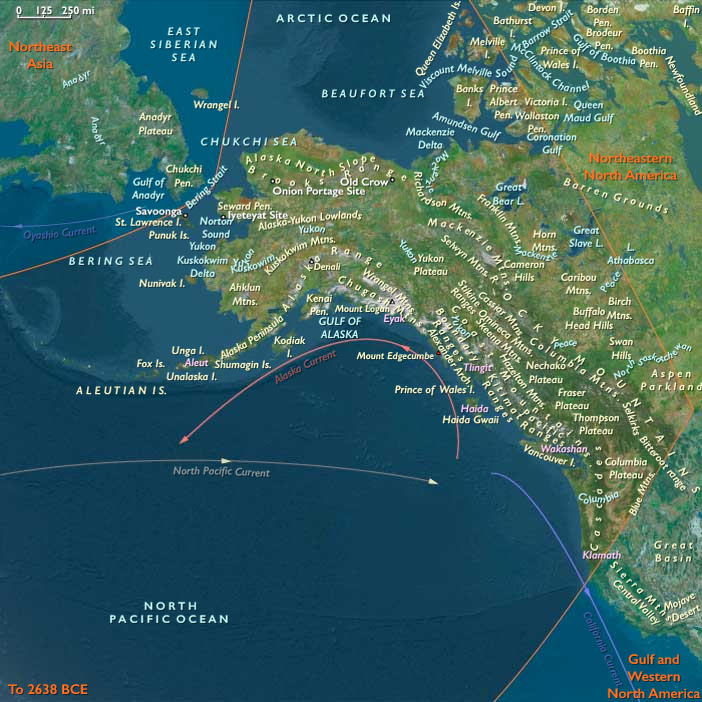
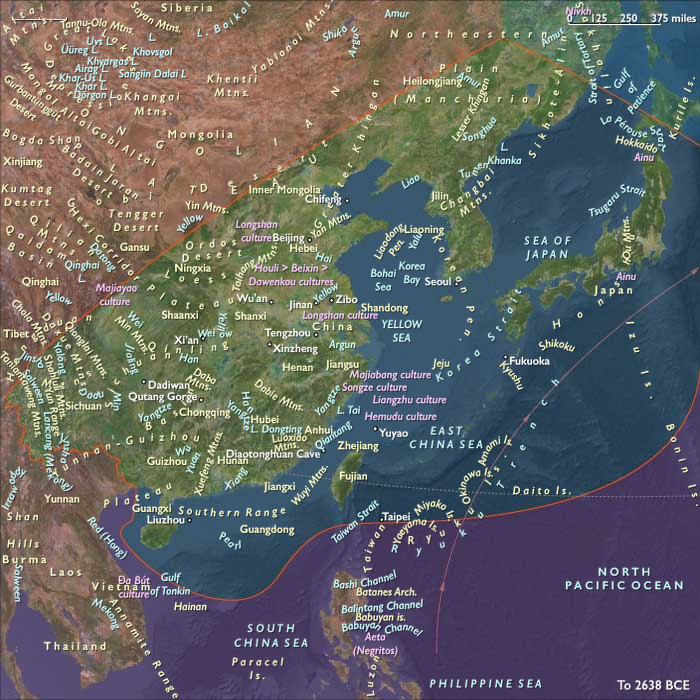
- East Asia
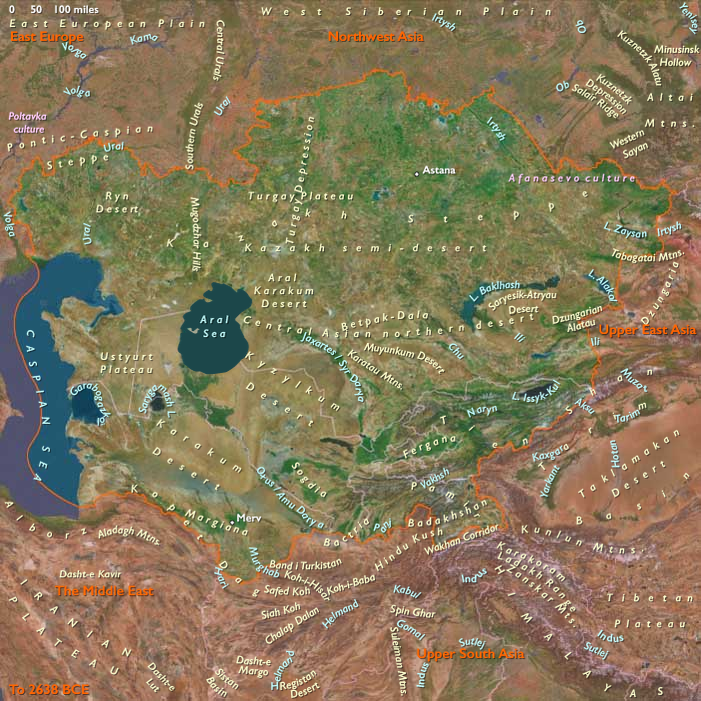
- Central Asia
- The Near and Middle East
- Southeast Europe
- Central Europe
- West Europe
- Northeastern Eurasia
- North Africa
- Southwest Europe
- Northern North America
- South America
- Middle America
Subregions
- Northwestern North America
- Maritime East Asia
- Central Asia
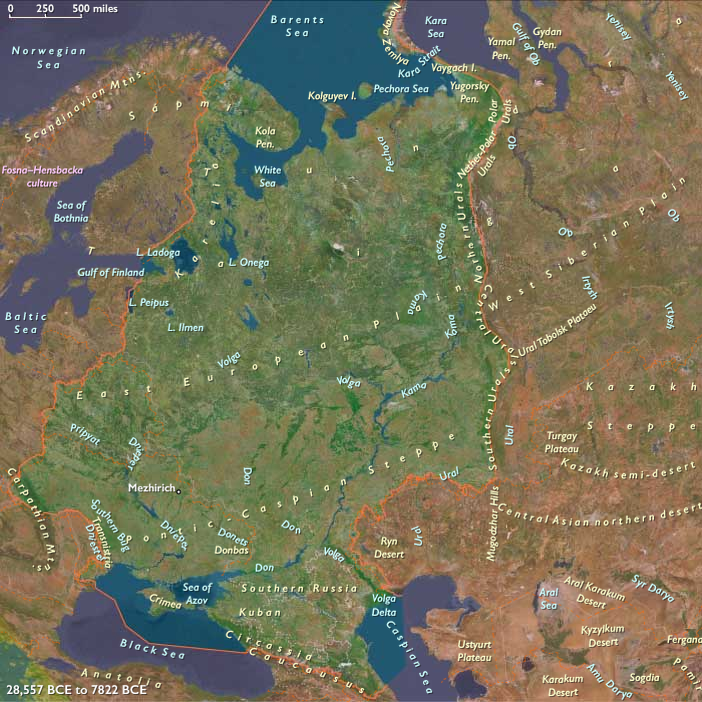
- East Europe
- East Central Europe
- Eastern Southeast Europe
- Middle East
- Near East
- Western Southeast Europe
- South Central Europe
- Mediterranean West Europe
- Mediterranean Southwest Europe
- North Africa
- Atlantic Southwest Europe
- Atlantic West Europe
- West Central Europe
- Northeastern North America
- South America Major
- Southern North America
- Gulf and Western North America
Related Events
Showing 10 events out of 69434 total
Years: 16461BCE - 14734BCE
Locations
Groups
Topics
Subjects
Regions
- East Asia
- Central Asia
- The Near and Middle East
- Southeast Europe
- Central Europe
- West Europe
- Northeastern Eurasia
- North Africa
- Southwest Europe
- Northern North America
- South America
- Middle America
Subregions
- Northwestern North America
- Maritime East Asia
- Central Asia
- East Europe
- East Central Europe
- Eastern Southeast Europe
- Middle East
- Near East
- Western Southeast Europe
- South Central Europe
- Mediterranean West Europe
- Mediterranean Southwest Europe
- North Africa
- Atlantic Southwest Europe
- Atlantic West Europe
- West Central Europe
- Northeastern North America
- South America Major
- Southern North America
- Gulf and Western North America