
Gerard David's The Judgment of Cambyses …
Years: 1498 - 1498
Gerard David's The Judgment of Cambyses (1498)
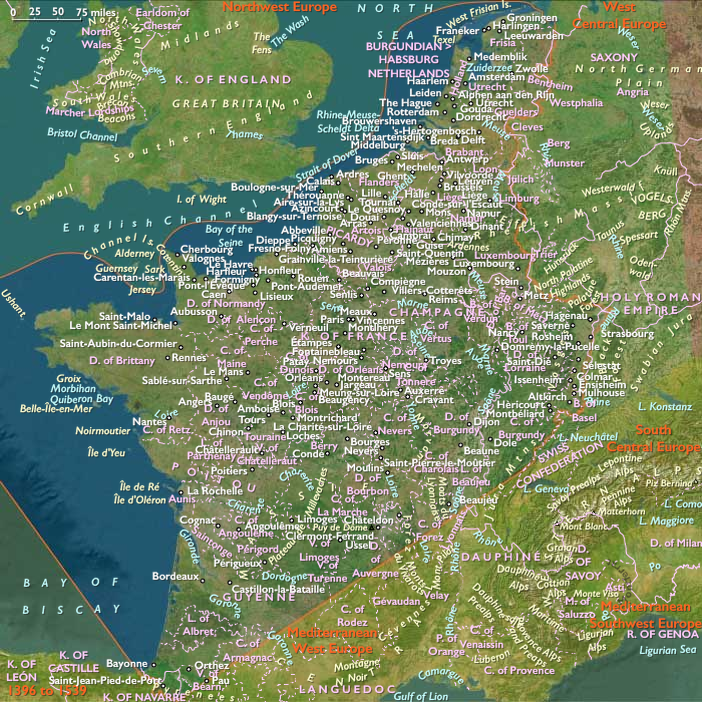
In 1498, Flemish painter Gerard David completed one of his most influential and politically charged masterpieces, the diptych panels known as The Judgment of Cambyses. Commissioned specifically for the council chamber of the Town Hall of Bruges, these vivid works depict a dramatic historical narrative from ancient Persia, intended as a powerful visual lesson on justice and moral governance for Bruges' civic leaders.
The paintings illustrate the harsh punishment ordered by the Persian king Cambyses against a corrupt judge, graphically portraying the consequences of judicial corruption. David’s vivid and meticulous attention to detail, characteristic of the Flemish tradition, underscores the gravity and moral weight of civic responsibilities entrusted to Bruges' officials. The choice of this historical scene was politically deliberate, reflecting contemporary anxieties about corruption, accountability, and the integrity of local governance.
Artistically, David’s work represents a pivotal moment in the evolution of Flemish painting, blending late medieval realism with an emerging emphasis on humanist moralism, reflecting broader shifts in Renaissance thought and aesthetics. The detailed realism, dramatic narrative, and moral clarity of the composition influenced subsequent artistic treatments of political and ethical themes across Atlantic West Europe.
Culturally and politically, David’s panels reinforced the growing civic consciousness in urban centers of the Low Countries, reflecting broader trends toward greater public accountability and transparency in governance. Moreover, the work's public display within Bruges’ town hall established a tradition of art serving both decorative and didactic functions in civic spaces.
Gerard David’s Judgment of Cambyses thus stands as a significant intersection of artistic achievement, civic morality, and political symbolism in late medieval Atlantic West Europe, emblematic of an era increasingly attentive to issues of justice, governance, and communal ethics.
Locations
People
Groups
Topics
Subjects
Regions

Subregions
Years: 1498 - 1498
Locations
People
Groups
Topics
Subjects
Regions
Subregions