
The Climate Catastrophe of 535–536 CE: A …
Years: 536 - 536
The Climate Catastrophe of 535–536 CE: A Global Crisis
Beginning in 535 CE, a series of extreme weather events disrupt the Northern Hemisphere, likely triggered by a massive veil of atmospheric dust. This climatic anomaly persists into 536 CE, leading to unseasonal weather, widespread crop failures, and severe food shortages across multiple civilizations. The crisis exacerbates economic and political instability, particularly in regions already weakened by war, migration, and disease.
1. Possible Causes: Volcanic Eruption or Extraterrestrial Impact?
Scientists propose two main explanations for the atmospheric disturbance:
-
Massive Volcanic Eruption
- Ice cores from Greenland and Antarctica show significant sulfate deposits dating to 533–534 CE, indicating a major volcanic eruption.
- A tropical eruption—possibly in Central America, Indonesia, or Iceland—may have injected large amounts of sulfur dioxide into the atmosphere, blocking sunlight and cooling the Earth.
-
Extraterrestrial Impact
- Some researchers suggest that a comet or asteroid impact could have ejected dust and debris into the stratosphere, creating a global veil that reduced solar radiation.
- Evidence for micrometeorite impacts during this period supports this theory, though the exact cause remains debated.
2. Evidence of a Climate Anomaly
-
Eyewitness Accounts
- The Byzantine historian Procopius, writing in his History of the Wars, describes the phenomenon in 536 CE:
"During this year a most dread portent took place. For the sun gave forth its light without brightness... and it seemed exceedingly like the sun in eclipse, for the beams it shed were not clear."
- The Roman senator Cassiodorus also records dim sunlight and severe winter conditions in Italy.
- In China, historical sources report summer frosts and a yellow dust veil, disrupting agriculture.
- The Byzantine historian Procopius, writing in his History of the Wars, describes the phenomenon in 536 CE:
-
Tree Ring Data
- Dendrochronologists, such as Mike Baillie of Queen's University Belfast, observe abnormally little growth in Irish oak tree rings for 536 CE and another sharp decline in 542 CE.
- This suggests multiple climatic disturbances, possibly due to a second eruption or environmental stressors.
-
Glacial Ice Core Samples
- Ice cores from Greenland and Antarctica reveal high sulfate concentrations, providing evidence of an acidic dust veil from volcanic eruptions.
3. Widespread Effects: Crop Failures and Societal Disruption
-
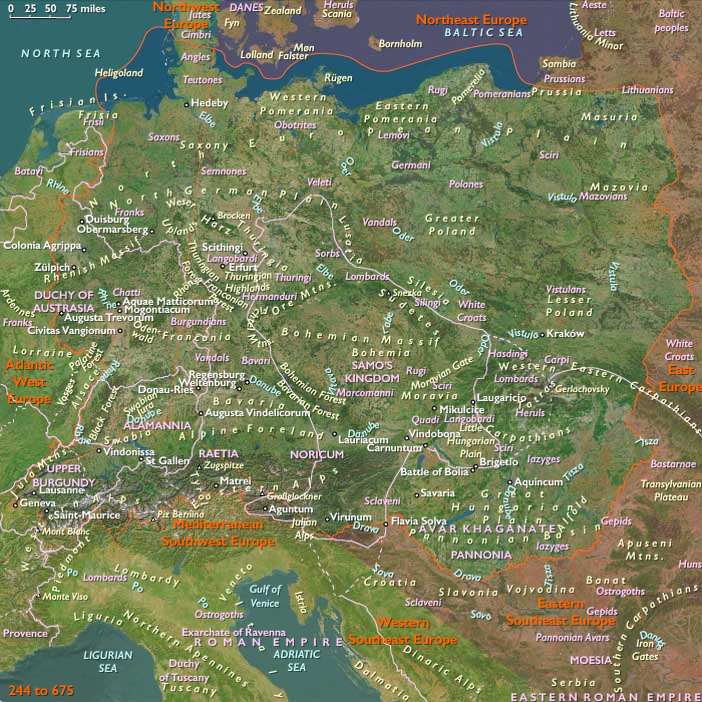
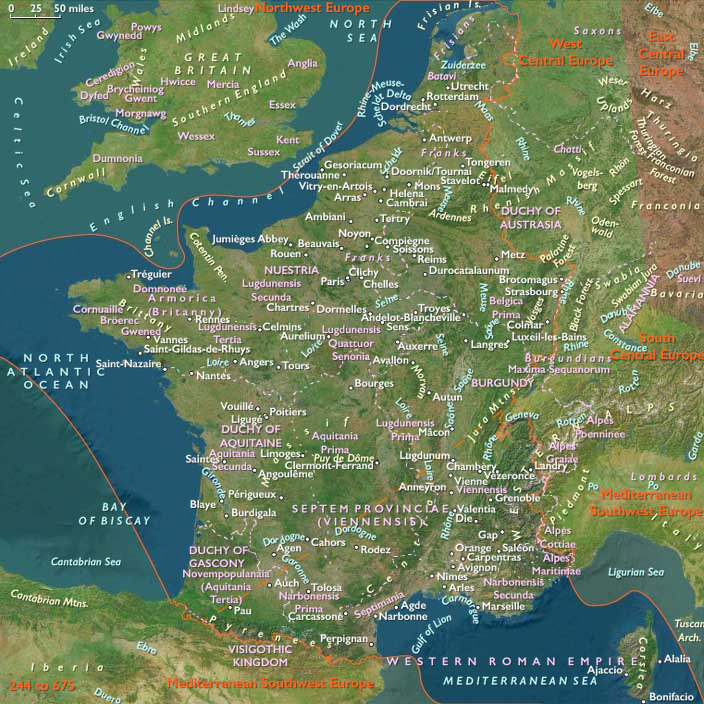
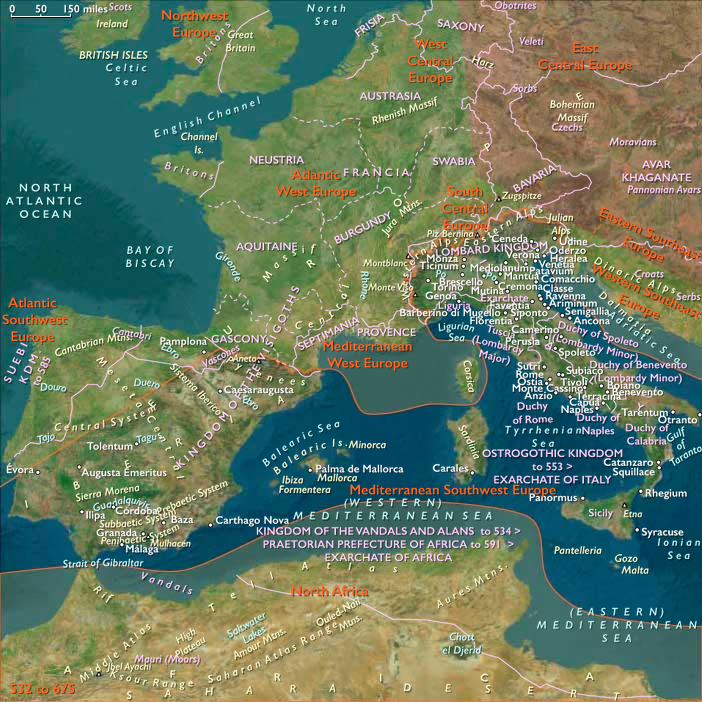
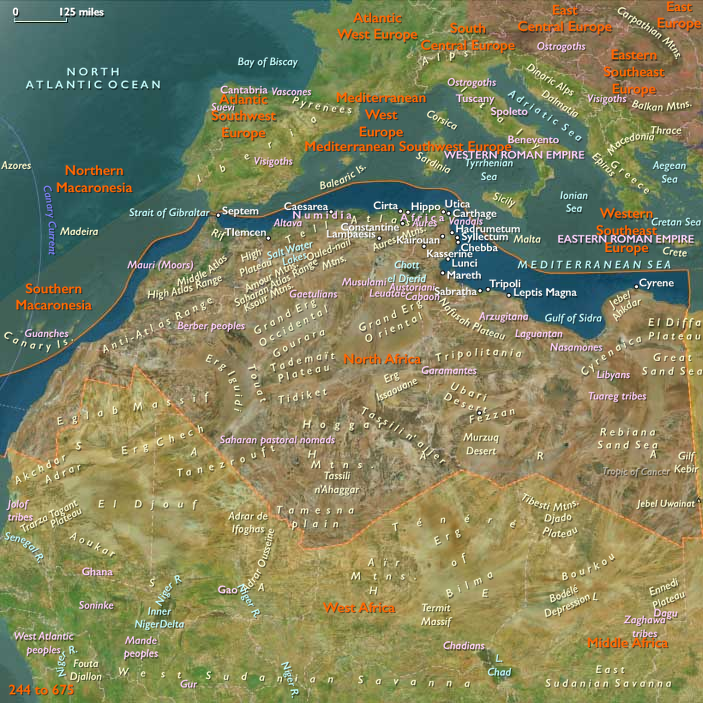
Europe and the Mediterranean
- Unseasonal cold summers lead to failed harvests.
- Chronic food shortages trigger famine and malnutrition, further weakening populations.
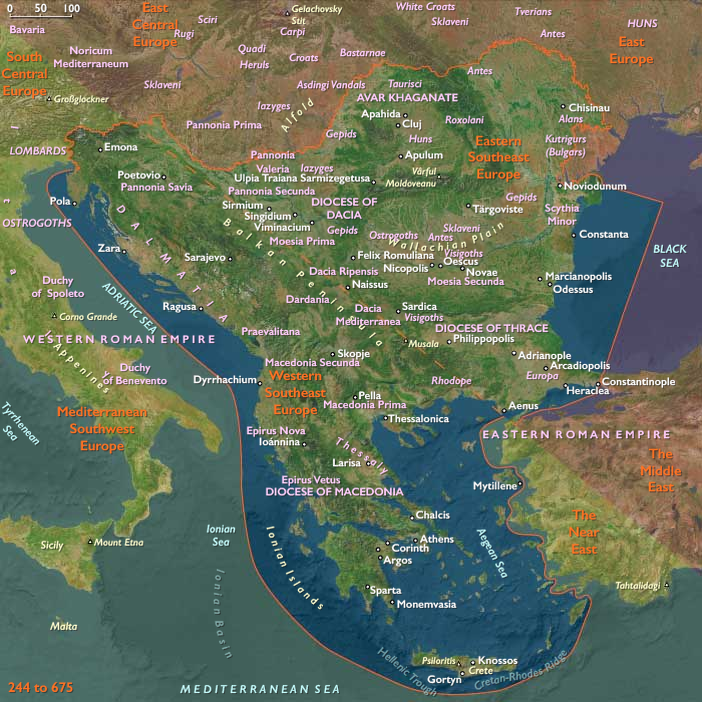
- Economic decline destabilizes the Byzantine Empire, already struggling with war and political upheaval.
-
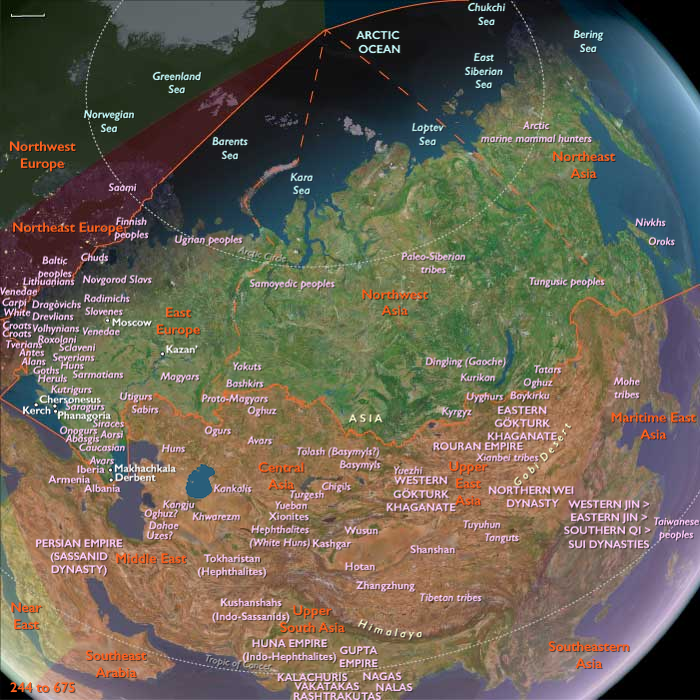
Asia
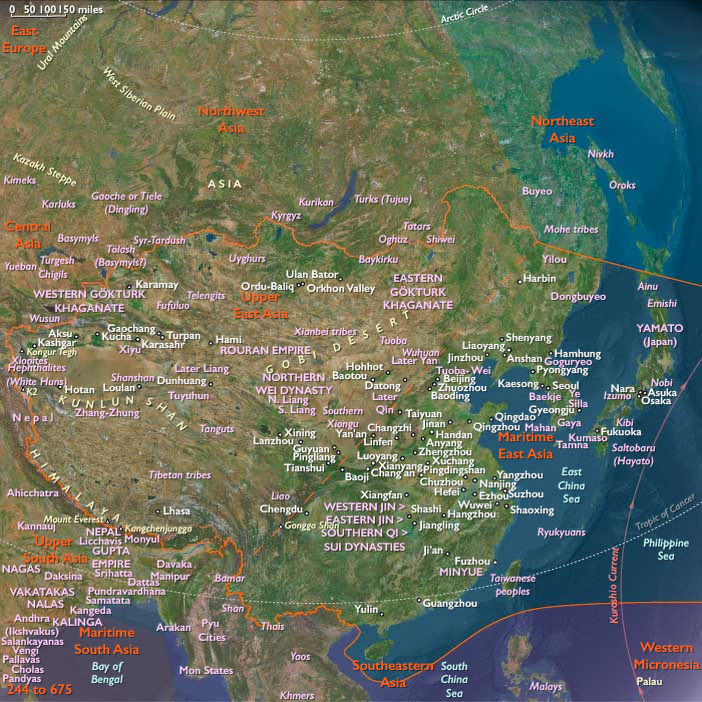
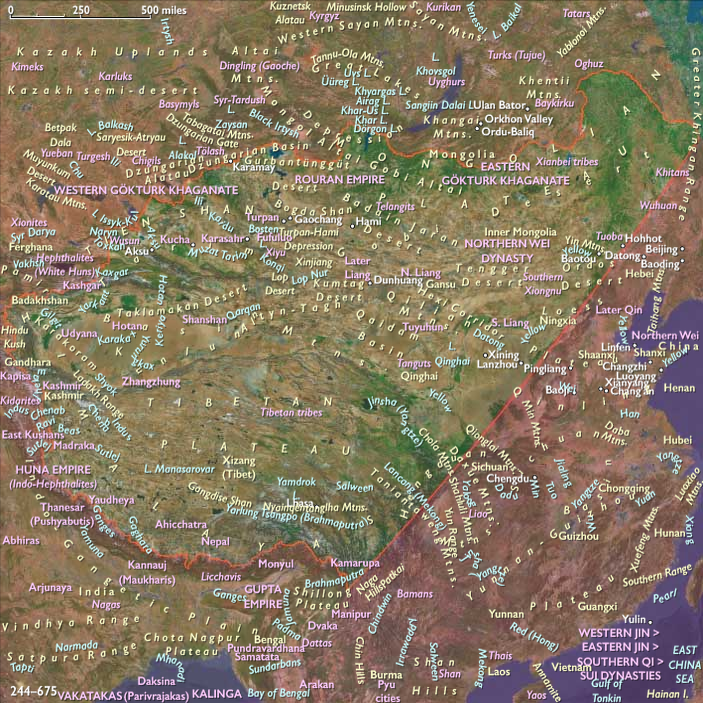
- China experiences summer frosts and reports crop devastation in multiple provinces.
- Unusual weather patterns disrupt trade and food production.
-
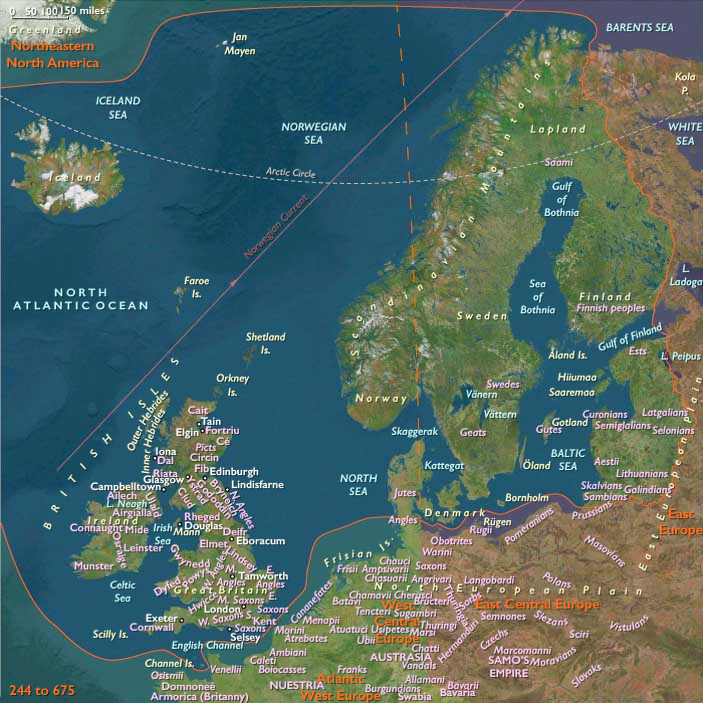
Scandinavia and the North Atlantic
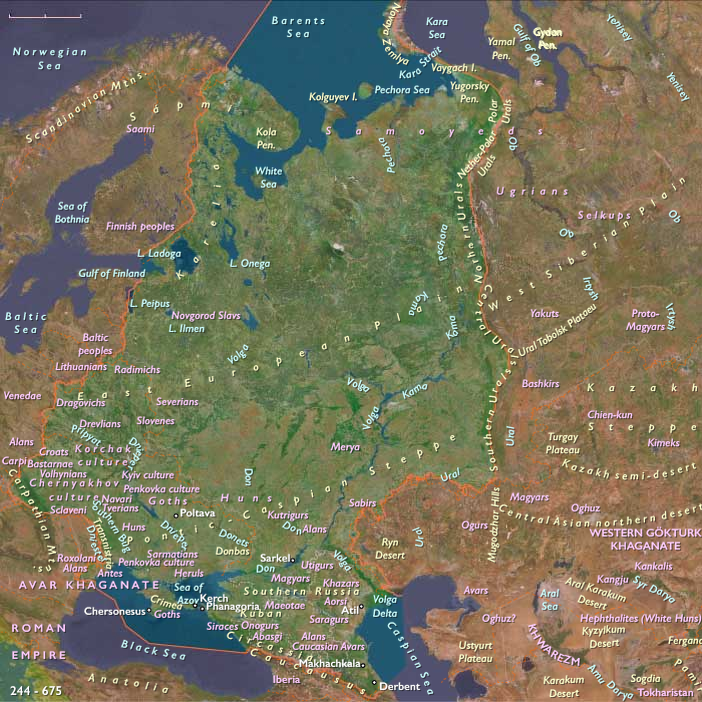
- Harsh climate conditions force migrations and lead to the abandonment of farmlands.
- Some scholars speculate that this period of famine contributed to later Viking expansion as Scandinavian societies adapted to environmental challenges.
-
The Americas
- Evidence from Mesoamerican civilizations suggests major environmental stress, possibly linked to volcanic eruptions affecting global climate patterns.
4. The Second Climate Event in 540 CE and the Plague of Justinian (541–542 CE)
- Another major cooling event occurs in 540 CE, potentially from a second volcanic eruption or a comet impact.
- This climatic instability weakens populations and exacerbates disease outbreaks.
- The Plague of Justinian (541–542 CE) emerges in the Eastern Mediterranean, spreading rapidly and causing millions of deaths, further destabilizing the Byzantine Empire.
5. Long-Term Consequences: The Shaping of Medieval Europe
- The prolonged climate crisis accelerates economic decline, hastening the transition from urban Roman society to localized feudal economies.
- Political fragmentation intensifies, as regions struggle to maintain order amid famine, disease, and depopulation.
- The Church gains influence, providing stability in an era of crisis and preserving classical knowledge.
Conclusion: A Global Disaster with Lasting Impact
The climate catastrophe of 535–536 CE marks one of the most severe short-term cooling events in recorded history. Whether caused by volcanic eruptions or an extraterrestrial impact, its effects ripple across Europe, Asia, and the Americas, contributing to famine, migration, and political upheaval. Combined with the Plague of Justinian, this period reshapes the trajectory of medieval history, influencing the development of post-Roman Europe, early medieval trade networks, and global population movements.
Topics
- Migration Period
- Famines and plagues 400 to 800
- Migration Period Pessimum
- Extreme weather events of 535-536
Subjects
Regions
- East Asia
- Central Asia
- The Near and Middle East
- Southeast Europe
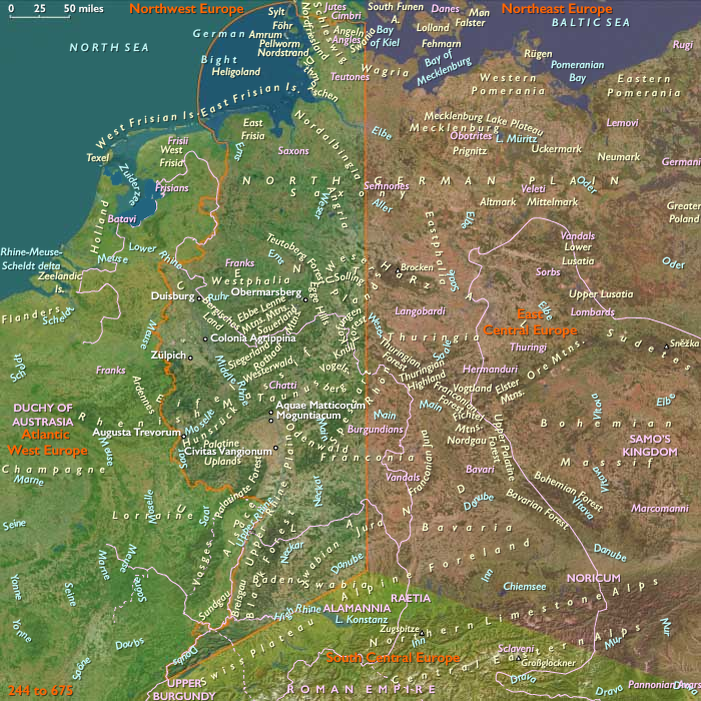
- Central Europe
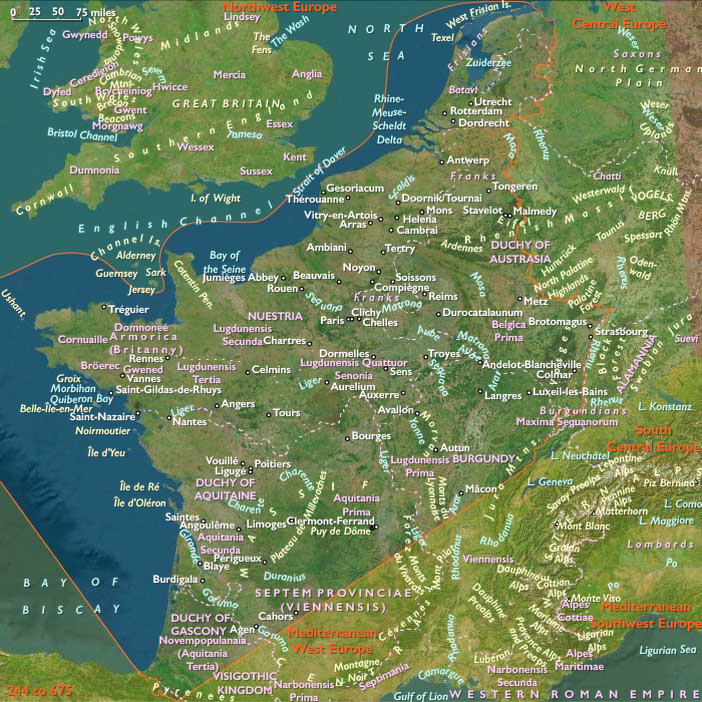
- West Europe
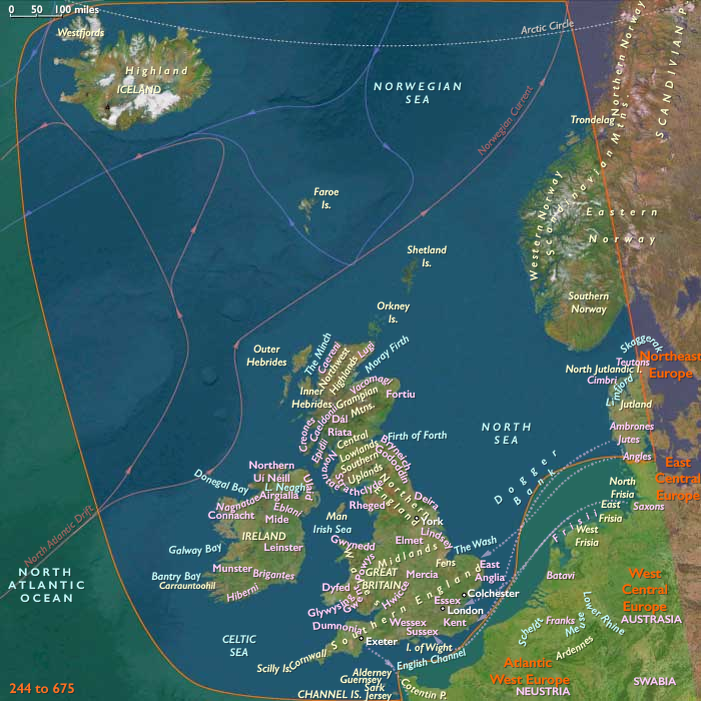
- North Europe
- Northeastern Eurasia
- North Africa
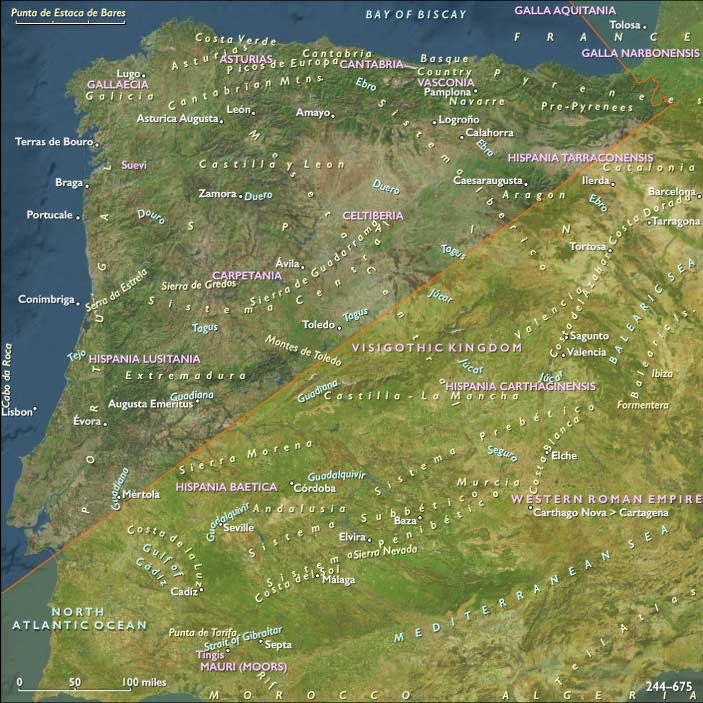
- Southwest Europe
- Macaronesia
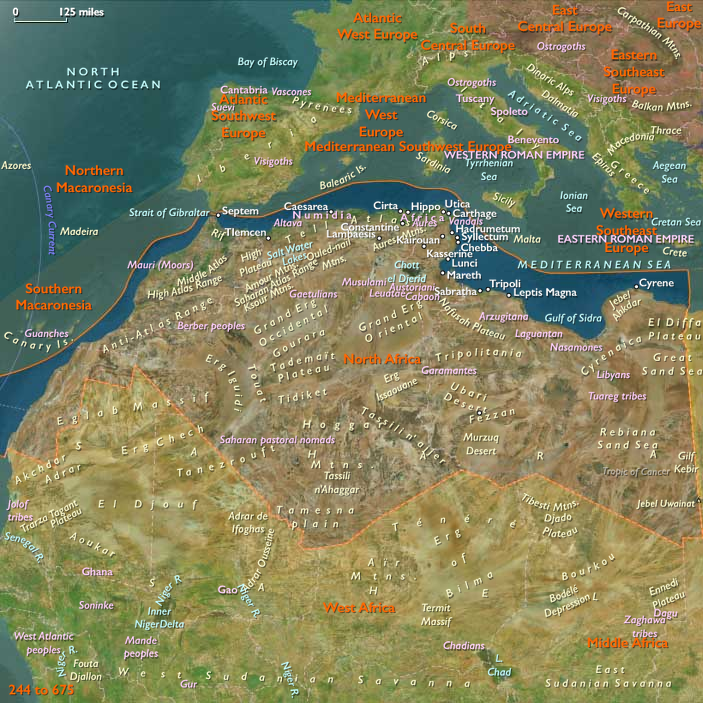
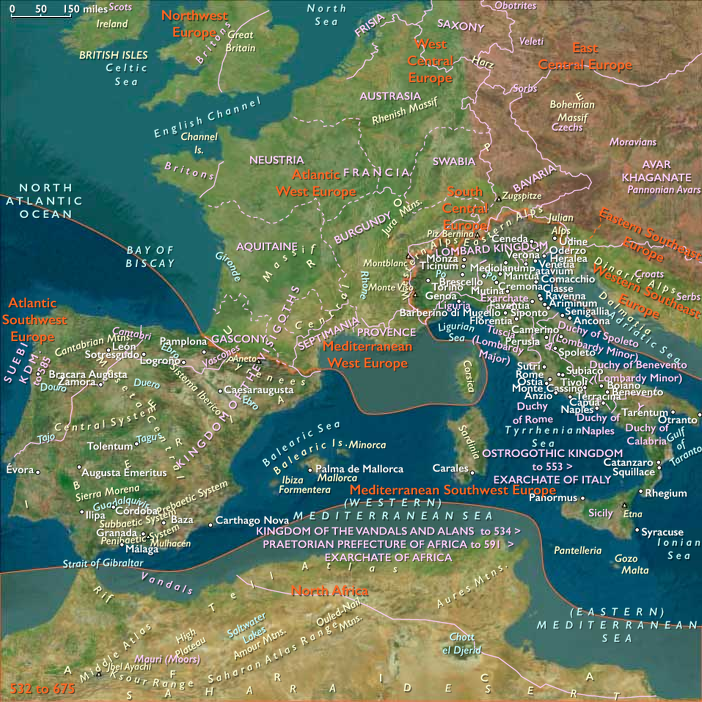
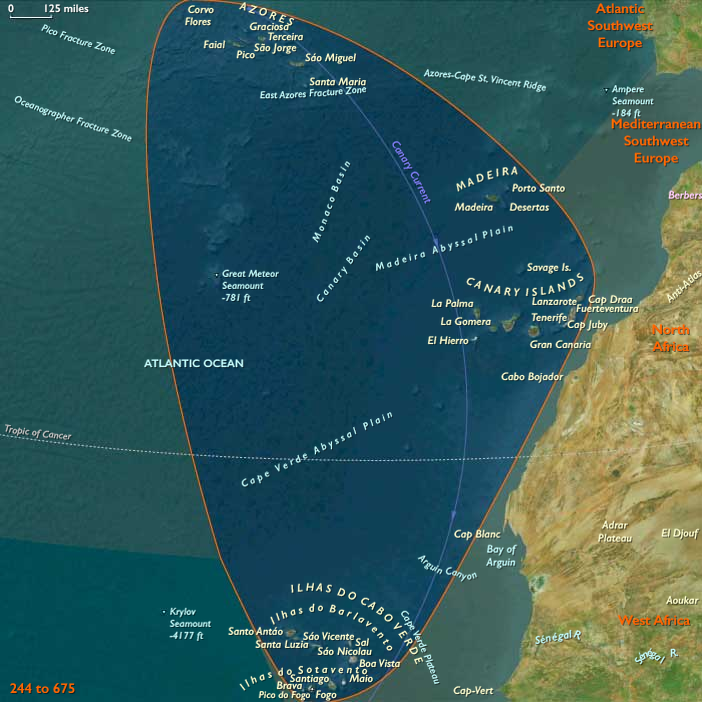
Subregions
- Maritime East Asia
- Upper East Asia
- Central Asia
- East Europe
- Upper South Asia
- Near East
- Western Southeast Europe
- South Central Europe
- Mediterranean West Europe
- Mediterranean Southwest Europe
- North Africa
- Southern Macaronesia
- Northern Macaronesia
- Atlantic Southwest Europe
- Atlantic West Europe
- West Central Europe
- Northwest Europe
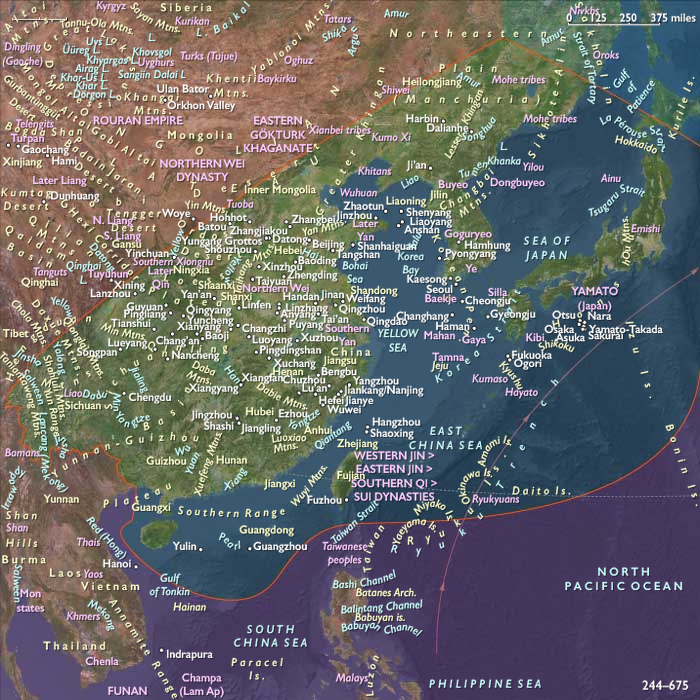
Related Events
Showing 10 events out of 57800 total
Years: 536 - 536
Topics
- Migration Period
- Famines and plagues 400 to 800
- Migration Period Pessimum
- Extreme weather events of 535-536
Subjects
Regions
- East Asia
- Central Asia
- The Near and Middle East
- Southeast Europe
- Central Europe
- West Europe
- North Europe
- Northeastern Eurasia
- North Africa
- Southwest Europe
- Macaronesia
Subregions
- Maritime East Asia
- Upper East Asia
- Central Asia
- East Europe
- Upper South Asia
- Near East
- Western Southeast Europe
- South Central Europe
- Mediterranean West Europe
- Mediterranean Southwest Europe
- North Africa
- Southern Macaronesia
- Northern Macaronesia
- Atlantic Southwest Europe
- Atlantic West Europe
- West Central Europe
- Northwest Europe