
Evidence of the effect of the Reformation …
Years: 1524 - 1524
Evidence of the effect of the Reformation is seen in early 1524.
Candlemas is not celebrated, processions of robed clergy cease, worshipers do not go with palms or relics on Palm Sunday to the Lindenhof, and triptychs remain covered and closed after Lent.
Opposition to the changes come from Konrad Hofmann and his followers, but the council decides in favor of keeping the government mandates.
When Hofmann leaves the city, opposition from pastors hostile to the Reformation breaks down.
The bishop of Constance tries to intervene in defending the mass and the veneration of images.
Zwingli writes an official response for the council and the result is the severance of all ties between the city and the diocese.
Shortly after the second Zurich disputation, many in the radical wing of the Reformation had become convinced that Zwingli was making too many concessions to the Zurich council.
They reject the role of civil government and demand the immediate establishment of a congregation of the faithful.
Conrad Grebel, the leader of the radicals and the emerging Anabaptist movement, speaks disparagingly of Zwingli in private.
The council on August 15, 1524, insists on the obligation to baptize all newborn infants.
Zwingli secretly confers with Grebel's group and late in 1524, the council calls for official discussions.
When talks are broken off, Zwingli publishes Wer Ursache gebe zu Aufruhr (Whoever Causes Unrest) clarifying the opposing points-of-view.
Locations
People
Groups
- Basel, Prince-Bishopric of
- Christians, Roman Catholic
- Constance, Bishopric of
- Swiss Confederacy, Old (Swiss Confederation)
- Zürich, Imperial (Free) City of
- Zürich, Swiss Canton of
- Protestantism
Topics
Subjects
Regions
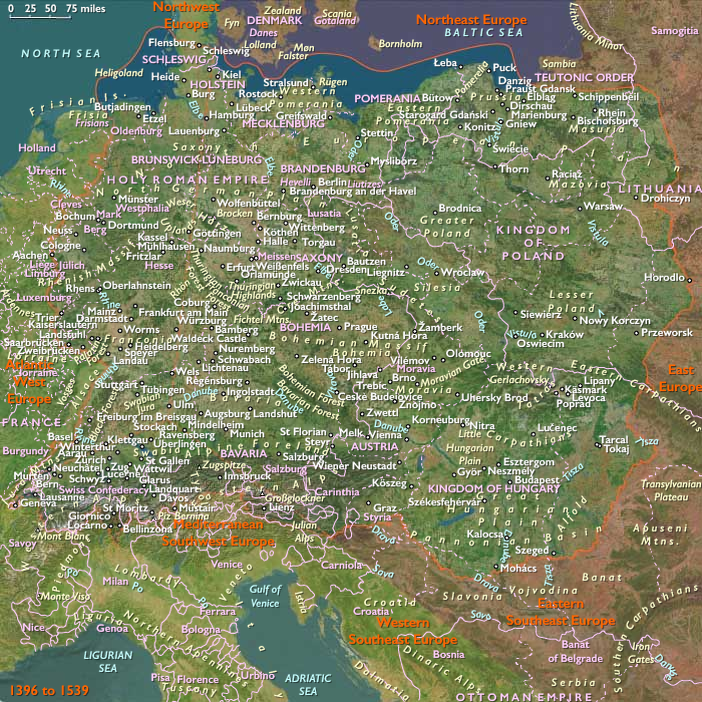
Subregions
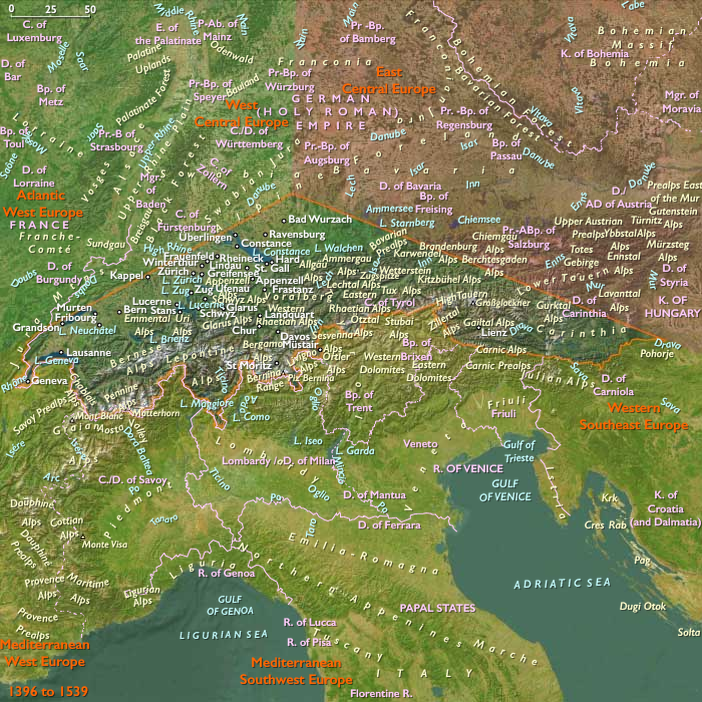
Related Events
Showing 10 events out of 38519 total
Years: 1524 - 1524
Locations
People
Groups
- Basel, Prince-Bishopric of
- Christians, Roman Catholic
- Constance, Bishopric of
- Swiss Confederacy, Old (Swiss Confederation)
- Zürich, Imperial (Free) City of
- Zürich, Swiss Canton of
- Protestantism
Topics
Subjects
Regions
Subregions