
Atlantic Southwest Europe: Foundations of Change (1396–1407) …
Years: 1396 - 1407
Atlantic Southwest Europe: Foundations of Change (1396–1407)
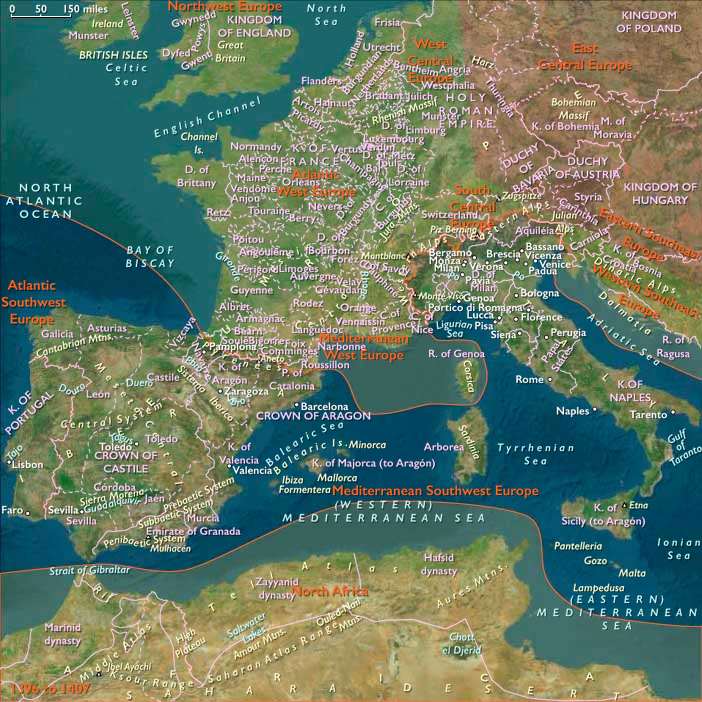
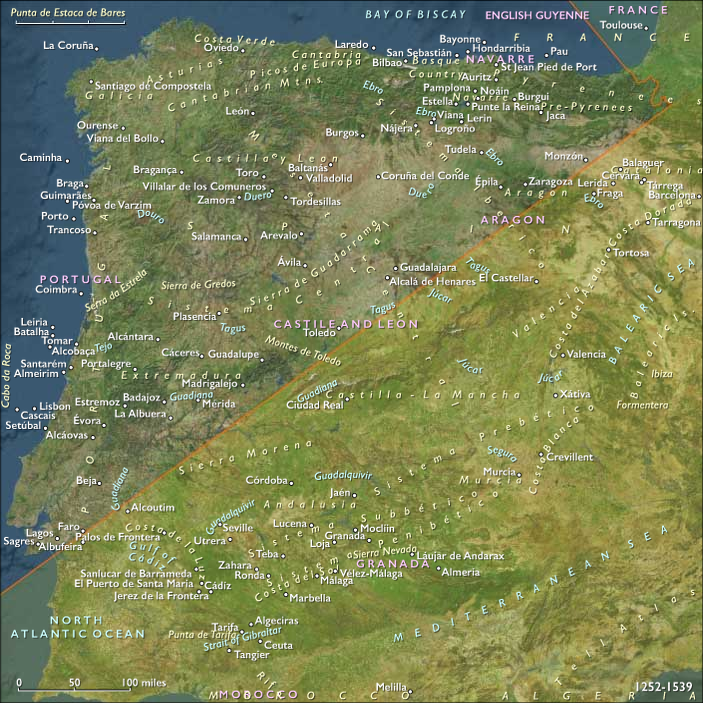
The period 1396 to 1407 marked the opening of the Upper Late Medieval Age in Atlantic Southwest Europe, a region encompassing northern and central Portugal, Galicia, Asturias, Cantabria, northern León and Castile, as well as northern Navarre, northern Rioja, and the Basque Country. This era set significant precedents in political consolidation, early maritime exploration, regional economic shifts, and cultural exchange, providing the basis for later Iberian prominence.
Political and Military Developments
- Portugal: King João I (House of Aviz) established stable governance after victory at Aljubarrota (1385), strengthening royal authority and paving the way for Portugal’s future as a maritime empire.
- Northern Castile and León: After Enrique III's death (1406), a regency crisis emerged, increasing local autonomy, especially in Basque territories and northern Rioja.
- Navarre: King Charles III ("the Noble," r.1387–1425) maintained diplomatic neutrality, protecting Navarrese independence and preserving local fueros (customary laws) in the face of external pressures, especially from Castile and France.
Economic and Maritime Expansion
- Early Maritime Exploration: Portuguese maritime activity intensified under João I, with Prince Henry ("the Navigator") starting exploratory missions along the African coast in the early 1400s, laying groundwork for Portugal’s future imperial expansion.
- Trade and Commerce: Coastal cities, notably Lisbon, grew wealthier, benefiting from increased trade in maritime commodities and regional exchange, stimulating urban growth.
Cultural and Social Developments
- Court Culture and Humanism: João I’s patronage of the arts fostered early Portuguese humanism, with an emphasis on literature, music, and architecture.
- Cultural Exchange: Pilgrimage routes through northern Iberia, notably the Camino de Santiago, continued to act as vibrant channels for cultural exchange, influencing artistic and architectural developments in the region.
Significance and Legacy
This formative period (1396–1407) shaped the trajectory of Atlantic Southwest Europe by setting precedents for political stability, maritime enterprise, and cultural enrichment, directly contributing to Portugal’s later golden age and solidifying regional identities in northern Spain.
People
Groups
Topics
Subjects
Regions
Subregions
Years: 1396 - 1407
People
Groups
Topics
Subjects
Regions
Subregions