
Filters:
The Introduction of Municipal Water Filtration in …
Years: 1854 - 1854
The Introduction of Municipal Water Filtration in European Capitals (1854)
In 1854, European capitals began implementing municipal water filtration systems, marking a significant advancement in public health and urban sanitation. The initiative was driven by the increasing recognition of waterborne diseases, particularly cholera, which had ravaged European cities in previous decades.
Key Developments in Water Filtration
-
Cholera Outbreaks and Public Health Reforms
- The devastating cholera epidemics of the early 19th century, especially the 1848–1854 outbreaks, underscored the urgent need for clean water supplies.
- The work of John Snow in London (1854) provided crucial evidence linking contaminated water to cholera transmission, reinforcing the push for filtration.
-
Early Filtration Systems
- London led the way, with the Metropolis Water Act of 1852, requiring sand filtration for water supplied to the city.
- Other European capitals, including Paris, Berlin, and Vienna, soon followed suit, investing in water treatment infrastructure.
-
Impact on Urban Sanitation
- Water filtration dramatically reduced disease transmission, leading to declining mortality rates in urban areas.
- These advancements laid the foundation for modern public health policies, influencing later developments in sewer systems and chlorination.
Legacy of 1854 Water Filtration Initiatives
The introduction of municipal water filtration in 1854 marked a turning point in urban hygiene and disease prevention. By ensuring cleaner drinking water, European cities took a crucial step toward modern sanitation systems, significantly improving public health and life expectancy in the decades that followed.
Commodoties
Subjects
Regions
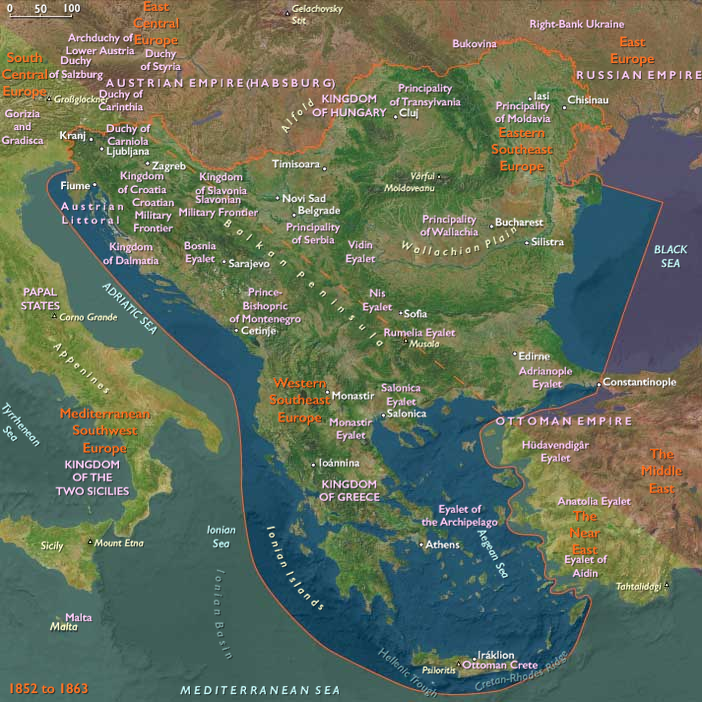
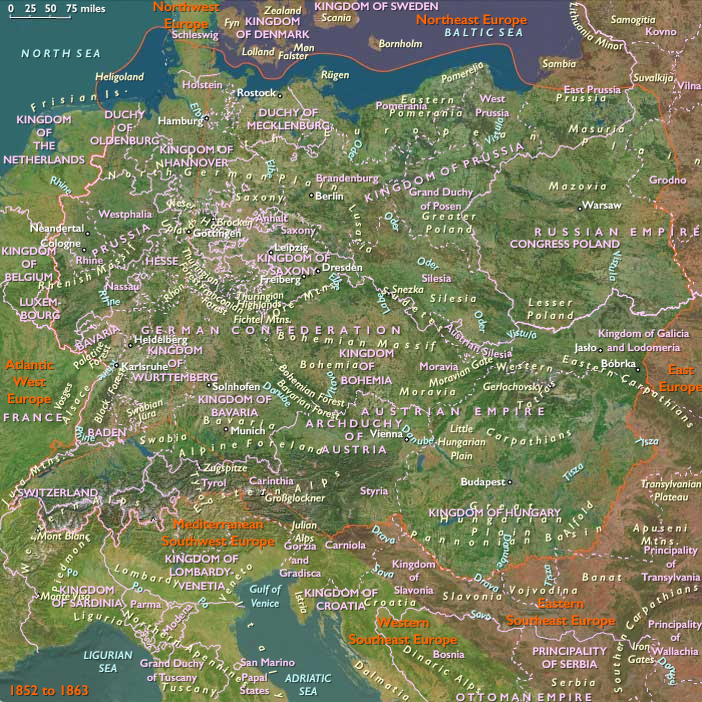
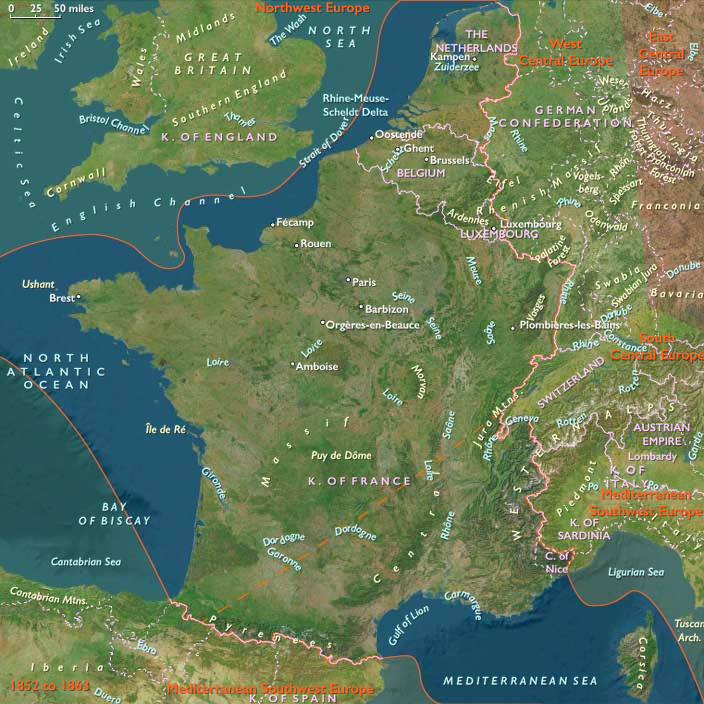
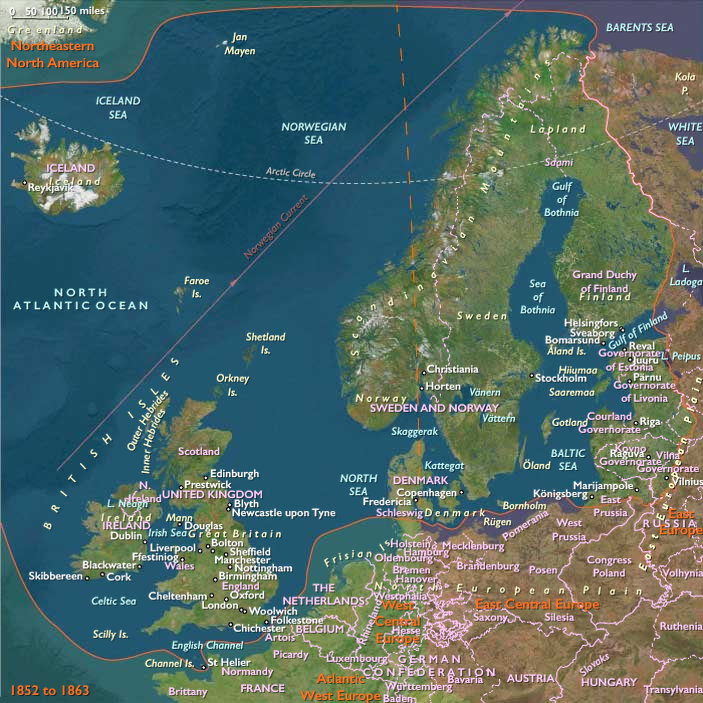
Subregions
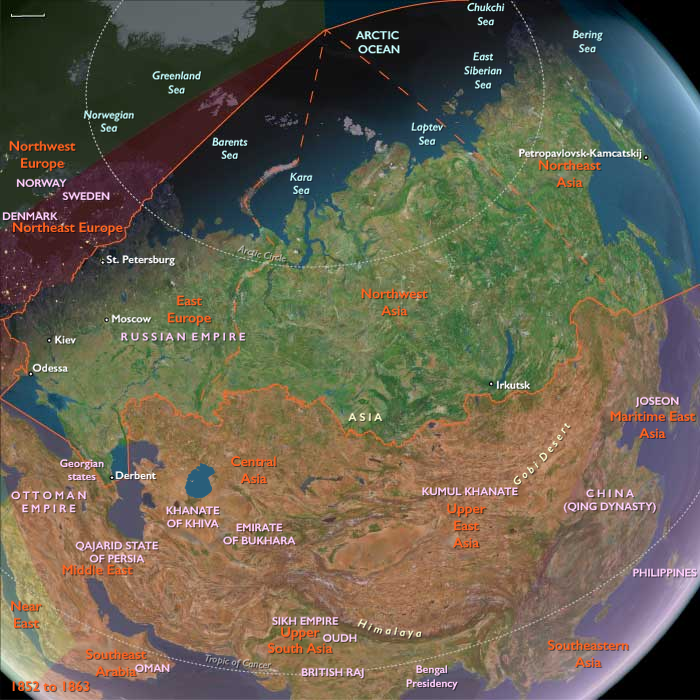
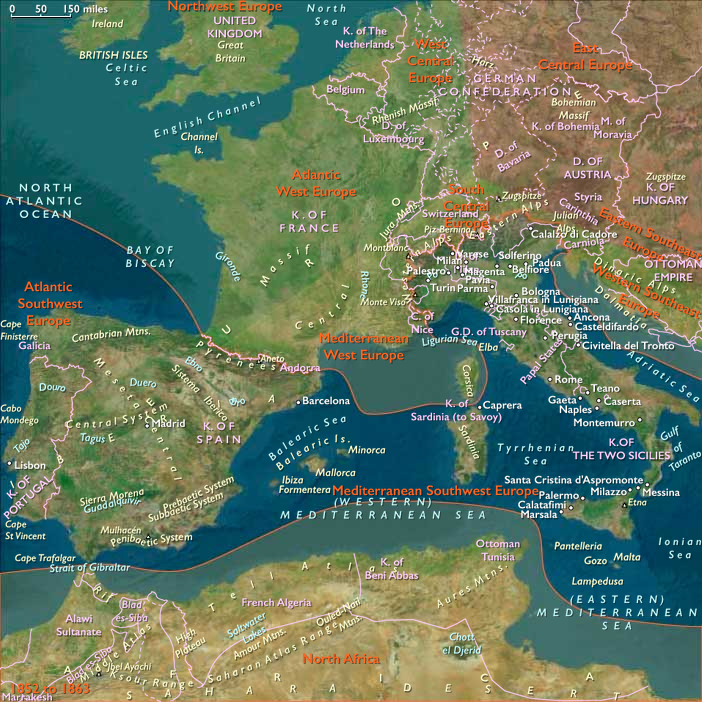
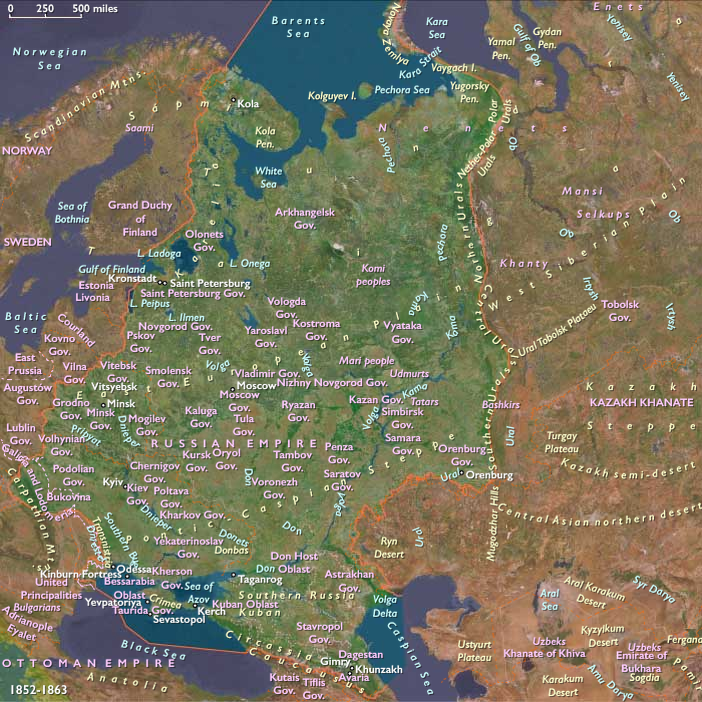
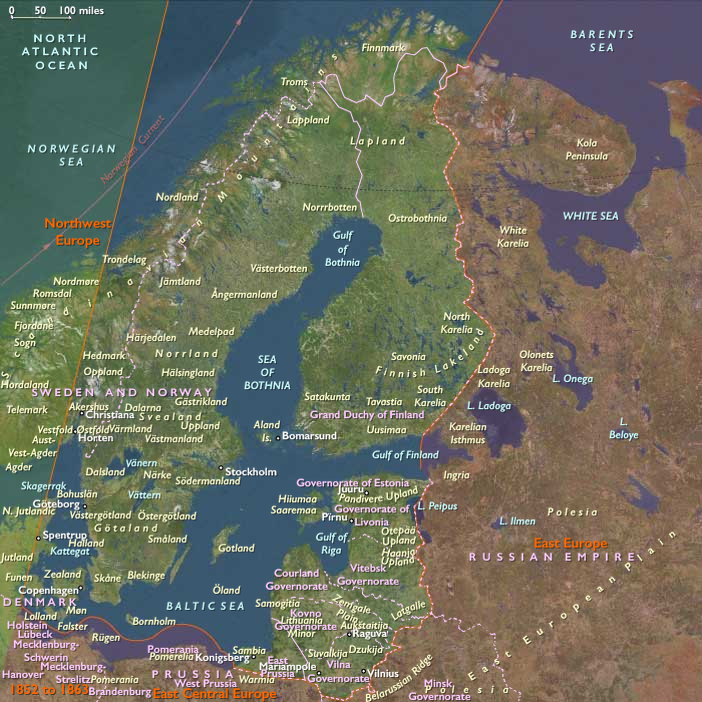
- East Europe
- Northeast Europe
- East Central Europe
- Eastern Southeast Europe
- Western Southeast Europe
- South Central Europe
- Mediterranean West Europe
- Mediterranean Southwest Europe
- Atlantic Southwest Europe
- Atlantic West Europe
- West Central Europe
- Northwest Europe
Years: 1854 - 1854
Commodoties
Subjects
Regions
Subregions
- East Europe
- Northeast Europe
- East Central Europe
- Eastern Southeast Europe
- Western Southeast Europe
- South Central Europe
- Mediterranean West Europe
- Mediterranean Southwest Europe
- Atlantic Southwest Europe
- Atlantic West Europe
- West Central Europe
- Northwest Europe