
The Invention of the Canal Lock and …
Years: 1492 - 1503
The Invention of the Canal Lock and the Expansion of European Waterways (Before 1500)
The invention and widespread use of the canal lock before 1500 revolutionized water transportation in Europe, enabling the construction of larger, more complex canal networks that facilitated trade, agriculture, and urban expansion.
The Development of Canal Locks
- Early canals were simple structures that connected rivers and lakes, but they faced problems with differing water levels.
- The first primitive locks, known as flash locks, allowed boats to pass but required temporary flooding, which was inefficient and often dangerous.
- The true innovation came with the pound lock, which consisted of a chamber with gates at both ends, allowing for controlled raising and lowering of water levels.
Key Early Innovations
- China (10th century) – The first known pound lock was built in 984 CE by engineer Qiao Weiyue during the Song Dynasty.
- Italy (15th century) – Leonardo da Vinci designed improved mitered gates, which became the standard for European canal locks.
- Netherlands and Flanders (1400s) – Early locks were used in lowland areas to control flooding and improve navigation.
Impact on European Canal Construction
With the adoption of the canal lock, European nations began constructing larger, more efficient canal systems to support commerce, agriculture, and urban development.
Notable Pre-1500 Canal Projects
- The Naviglio Grande (Italy, 12th–15th century) – One of the first major navigable canals, improved by Leonardo da Vinci’s lock designs.
- The Stecknitz Canal (Germany, completed 1398) – One of Europe’s first summit-level canals, connecting the Elbe and Trave Rivers.
- Flemish and Dutch Canals – Used for drainage, transport, and flood control, supporting the growth of mercantile cities.
Effects of the Canal Lock on European Development
-
Increased Trade and Commerce
- Goods could be transported more efficiently, reducing costs and travel time.
- Cities connected by canals became major trade centers (e.g., Venice, Bruges, Amsterdam).
-
Urban and Industrial Growth
- Canals supplied water to growing cities and supported early manufacturing industries.
- Locks allowed for the development of large inland ports.
-
Agricultural Expansion
- Improved irrigation systems and water management.
- Enabled land reclamation in low-lying regions like the Netherlands.
Legacy: The Rise of Europe’s Great Canals
By 1500, the use of canal locks had spread throughout Europe, paving the way for the major canal-building era of the 16th–19th centuries, including:
- The Canal du Midi (France, 1681) – One of the first modern long-distance canals.
- The Grand Canal (England, 18th century) – Linked industrial regions to ports.
- Dutch and German canal networks, expanding inland trade.
The invention of the canal lock was a major engineering breakthrough, transforming European transportation, commerce, and urban development, ultimately playing a key role in the economic expansion of early modern Europe.
Commodoties
Subjects
Regions

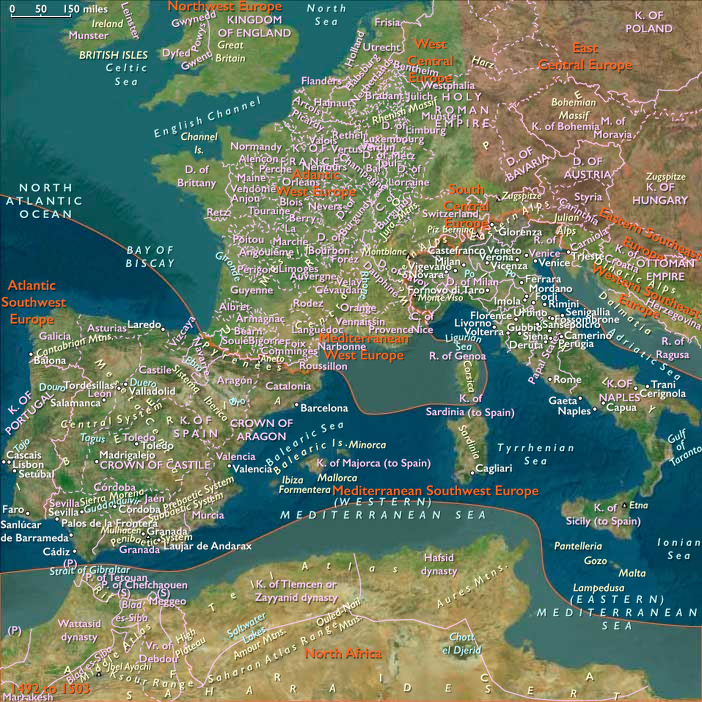
Subregions
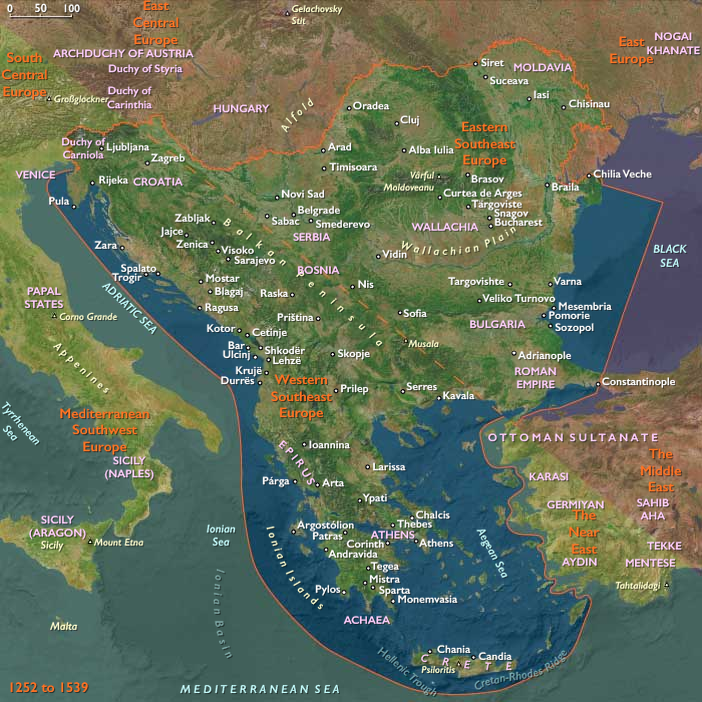
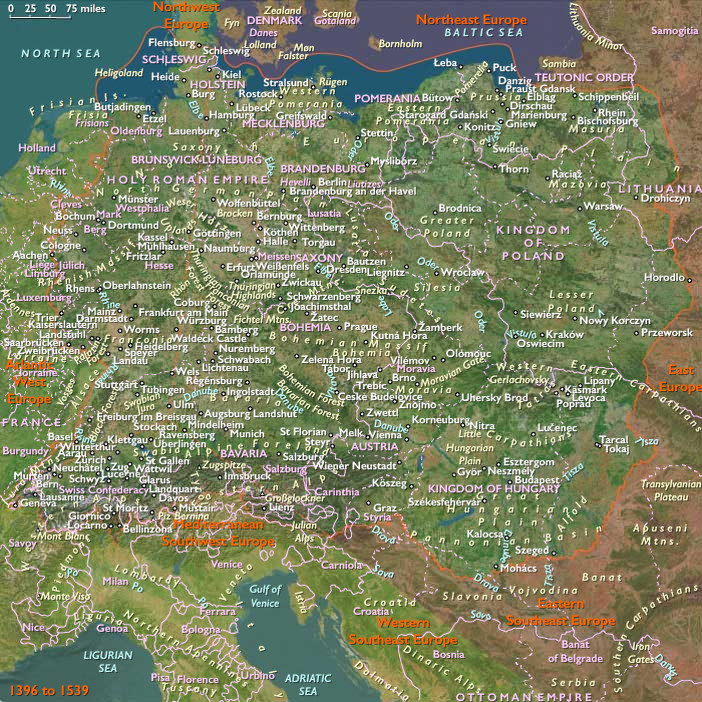
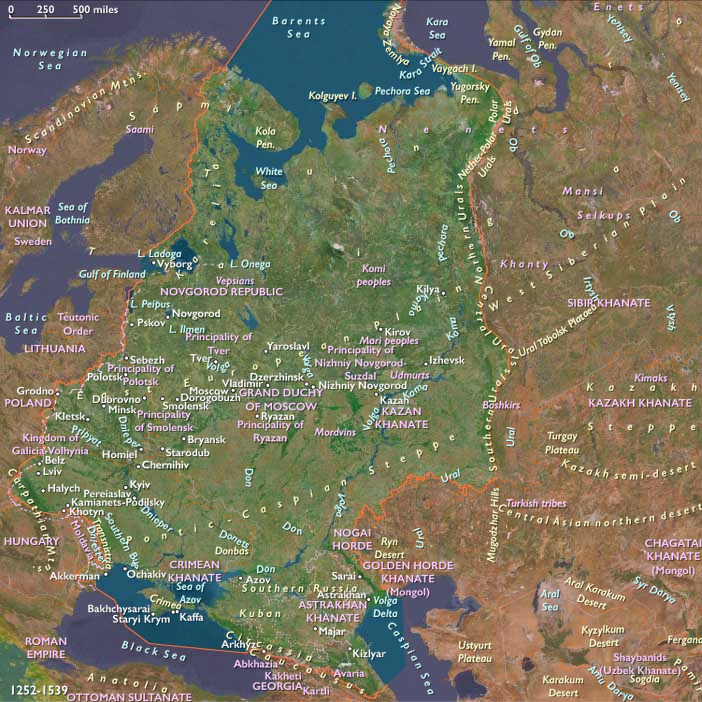
- East Europe
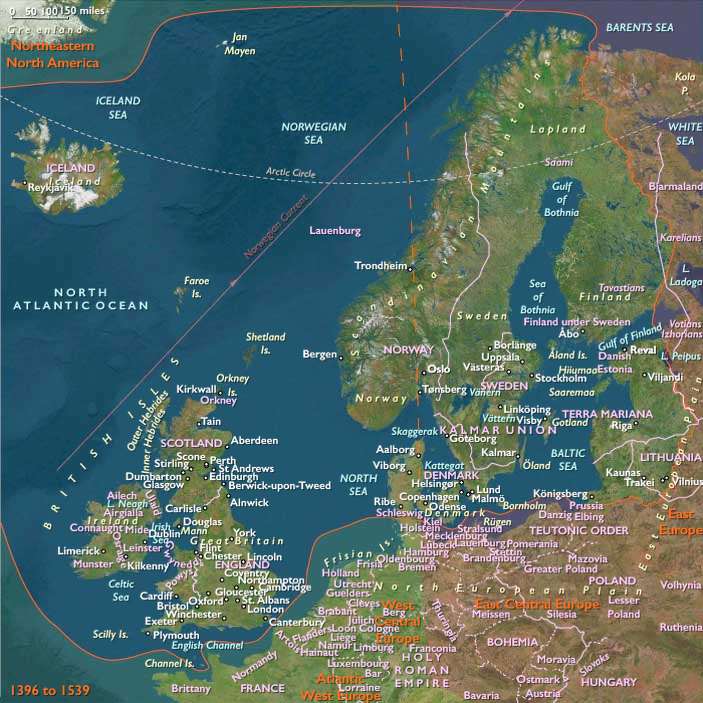
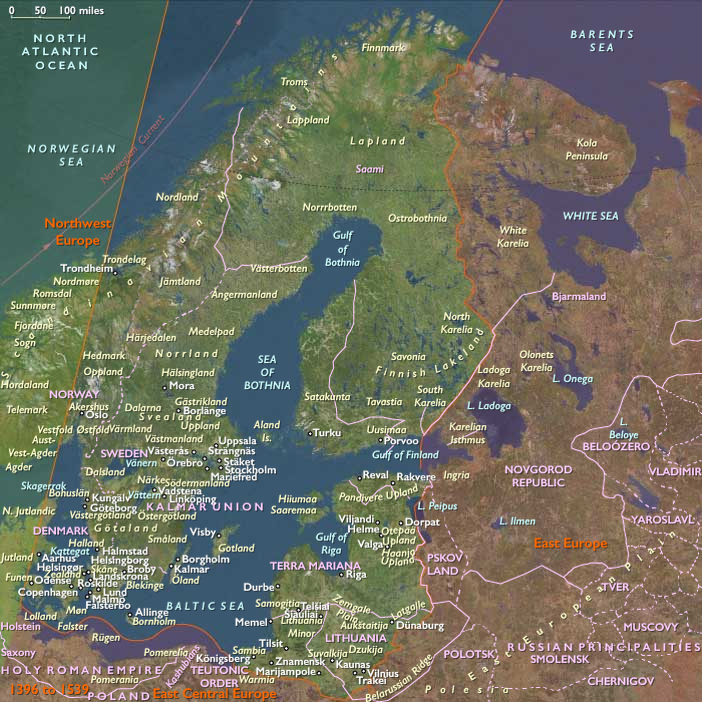
- Northeast Europe
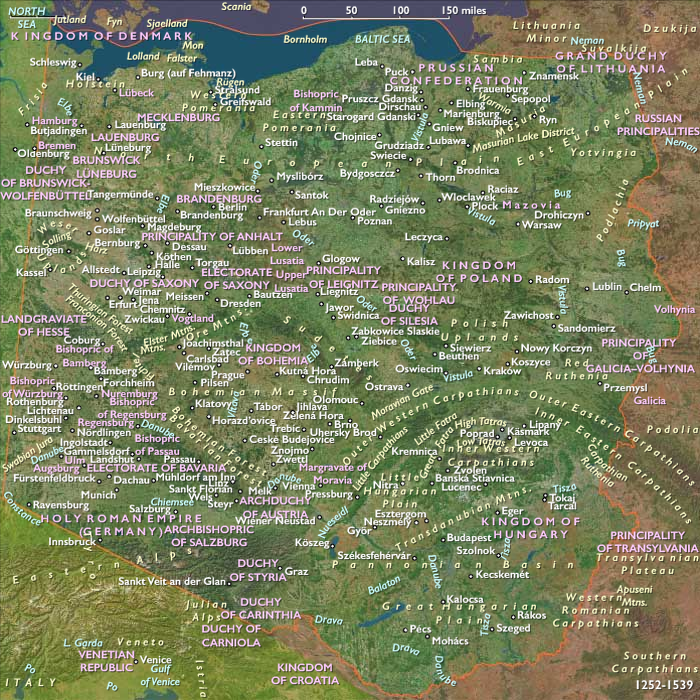
- East Central Europe
- Eastern Southeast Europe
- Western Southeast Europe
- South Central Europe
- Mediterranean West Europe
- Mediterranean Southwest Europe
- Atlantic Southwest Europe
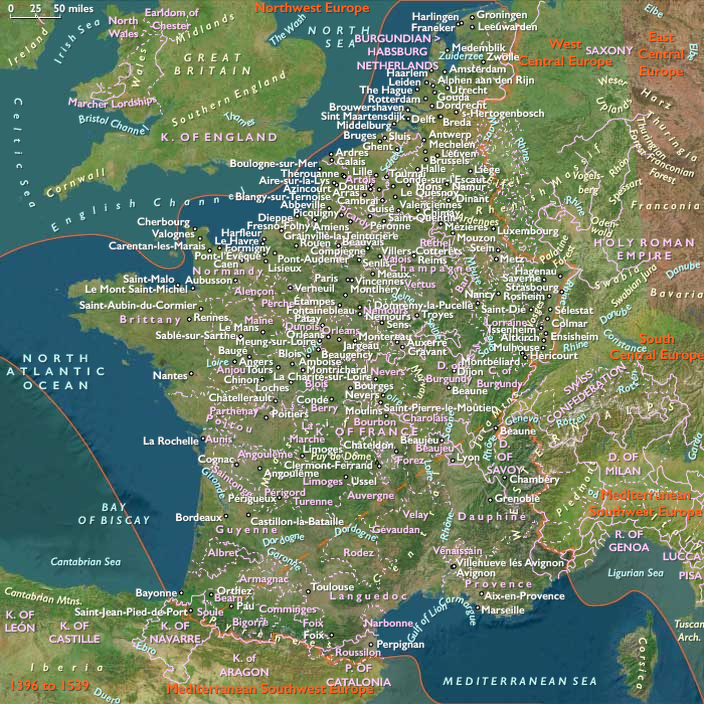
- Atlantic West Europe
- West Central Europe
- Northwest Europe

Related Events
Showing 10 events out of 40412 total
Years: 1492 - 1503
Commodoties
Subjects
Regions
Subregions
- East Europe
- Northeast Europe
- East Central Europe
- Eastern Southeast Europe
- Western Southeast Europe
- South Central Europe
- Mediterranean West Europe
- Mediterranean Southwest Europe
- Atlantic Southwest Europe
- Atlantic West Europe
- West Central Europe
- Northwest Europe