
Filters:
Erik Axelsson Tott, who had replaced Jöns …
Years: 1467 - 1467
Erik Axelsson Tott, who had replaced Jöns Bengtsson Oxenstierna as Regent of Sweden in 1466, had opposed his older kinsman the king in 1457 when he as king had gathered much dissatisfaction among Swedish high nobility.
In 1467 Eric reverts, yet again supporting Charles, in his third election to the Swedish throne.
Locations
People
Groups
- Kalmar Union (of Denmark, Norway and Sweden)
- Sweden, autonomous Kingdom of
- Denmark-Norway, Kingdom of
Topics
Commodoties
Subjects
Regions
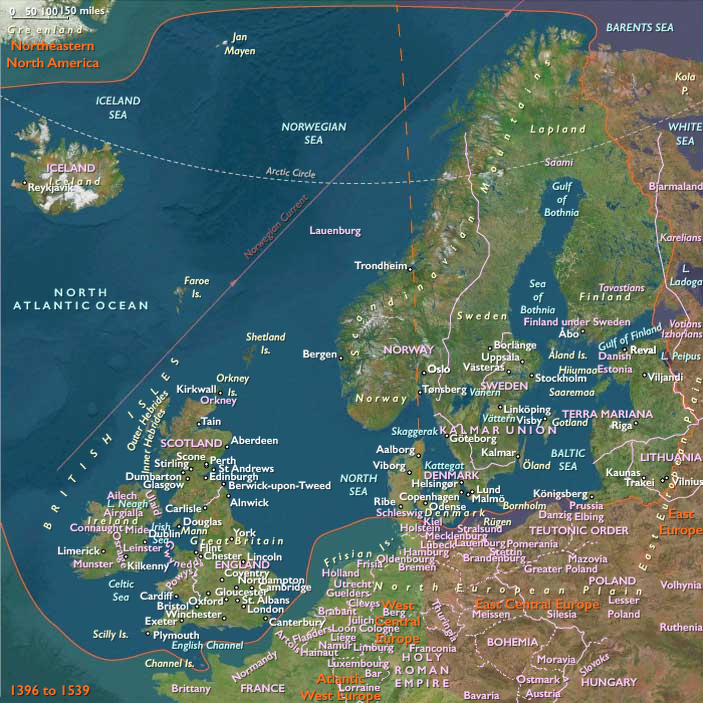
Subregions
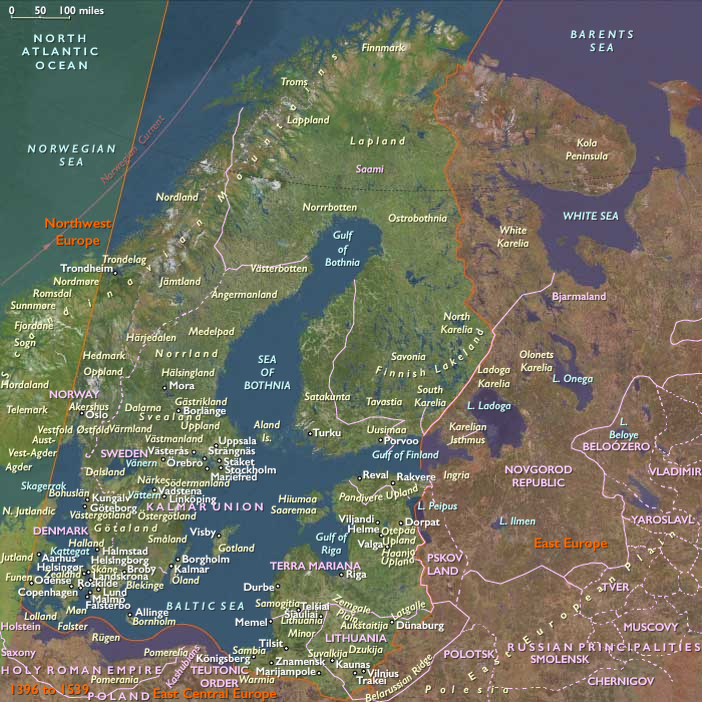
Related Events
Showing 3 events out of 3 total
Years: 1467 - 1467
Locations
People
Groups
- Kalmar Union (of Denmark, Norway and Sweden)
- Sweden, autonomous Kingdom of
- Denmark-Norway, Kingdom of
Topics
Commodoties
Subjects
Regions
Subregions