
The Devastating Impact of Disease During the …
Years: 1540 - 1683
The Devastating Impact of Disease During the Thirty Years' War (1618–1648)
The Thirty Years' War (1618–1648) was one of the most destructive conflicts in European history, not only due to battlefield deaths but also because of widespread pestilence and famine, which devastated both combatants and civilians. According to Joseph Patrick Byrne, disease accounted for 90% of Europe's war-related casualties, with typhus alone killing more than 10% of the German population (Encyclopedia of Pestilence, Pandemics, and Plagues, 2008).
Major Epidemics During the War
-
Typhus ("War Fever")
- The most lethal disease during the war.
- Spread by lice in the unsanitary conditions of military camps and besieged cities.
- Caused fever, rash, muscle pain, and delirium, often leading to death within two weeks.
- Responsible for decimating armies and depopulating towns.
-
Bubonic Plague
- Re-emerged periodically throughout the war, particularly in urban centers and along trade routes.
- Spread by fleas carried by rats, thriving in the chaos of war and famine.
-
Dysentery ("Bloody Flux")
- Rampant in military encampments, where food shortages and poor hygiene worsened outbreaks.
- Led to severe dehydration and death, particularly among weakened soldiers and refugees.
-
Smallpox and Measles
- Affected both soldiers and civilians, spreading as armies moved across the continent.
- Caused high mortality rates among children and the malnourished.
-
Malaria
- Particularly devastating in low-lying, marshy regions where stagnant water allowed mosquitoes to breed.
- Weakened both civilians and armies, exacerbating wartime mortality.
The Impact of Disease on the War and Society
-
Mass depopulation:
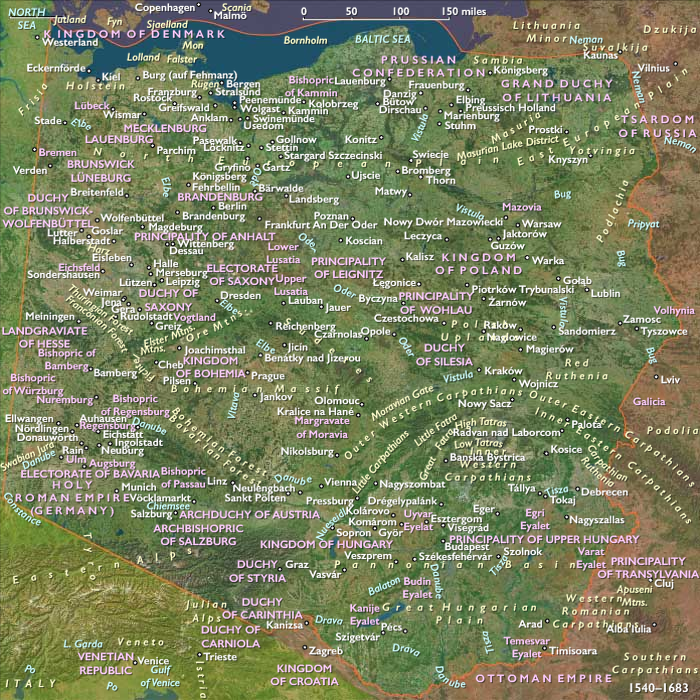
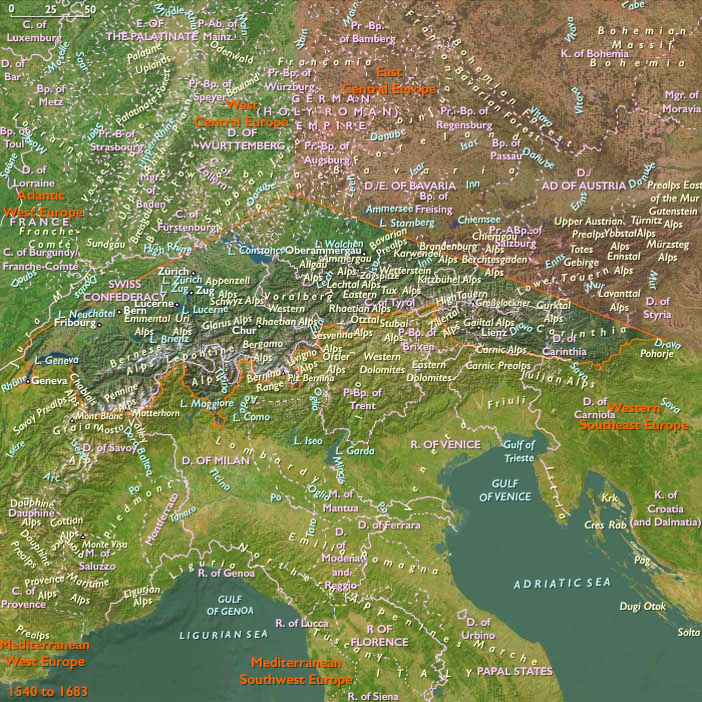
- Some German regions lost up to 50% of their population due to disease, famine, and war-related destruction.
- Rural areas were hardest hit, with entire villages disappearing.
-
Disruption of agriculture and economy:
- Farmland was abandoned or destroyed, leading to food shortages and malnutrition, which further fueled disease outbreaks.
- Commerce and trade collapsed, causing economic devastation across Central Europe.
-
Breakdown of medical care and public health:
- Physicians and clergy, many of whom died from disease themselves, were unable to contain the outbreaks.
- Hospitals were overwhelmed, often becoming centers of infection rather than treatment.
-
Demographic shifts:
- Many survivors migrated to less affected areas, leading to long-term population imbalances.
- The loss of skilled labor and agricultural workers contributed to decades of economic hardship.
Conclusion: Disease as the True Scourge of the Thirty Years' War
While the Thirty Years’ War was a military and political catastrophe, the true cause of devastation was disease, which accounted for the vast majority of deaths. The combination of warfare, famine, and epidemic outbreaks led to one of the worst demographic crises in European history, shaping the continent’s recovery for generations.
Groups
- Germany, Kingdom of (within the Holy Roman Empire)
- England, (Stuart) Kingdom of
- England, Commonwealth of
- England, (Stewart, Restored) Kingdom of
Topics
- Thirty Years' War
- English Civil War, First, or Great
- English Civil War, Second
- English Civil War, Third
Subjects
Regions
Subregions
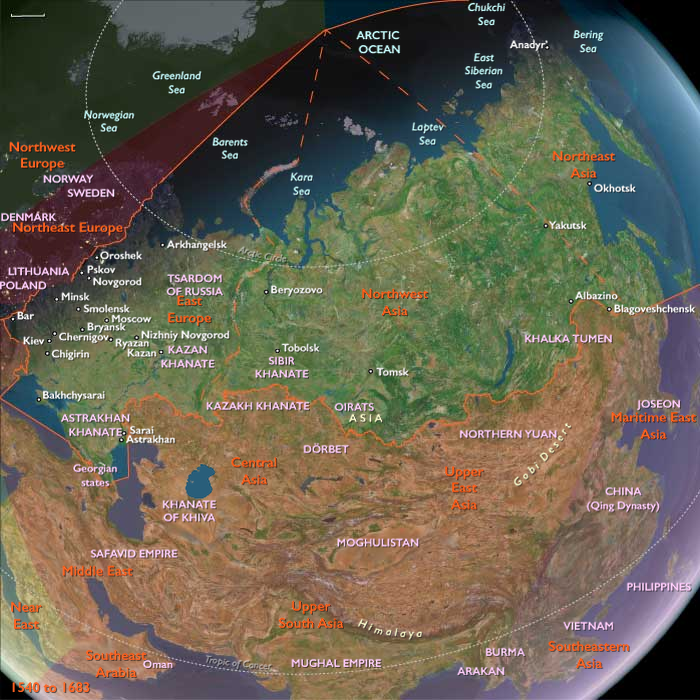
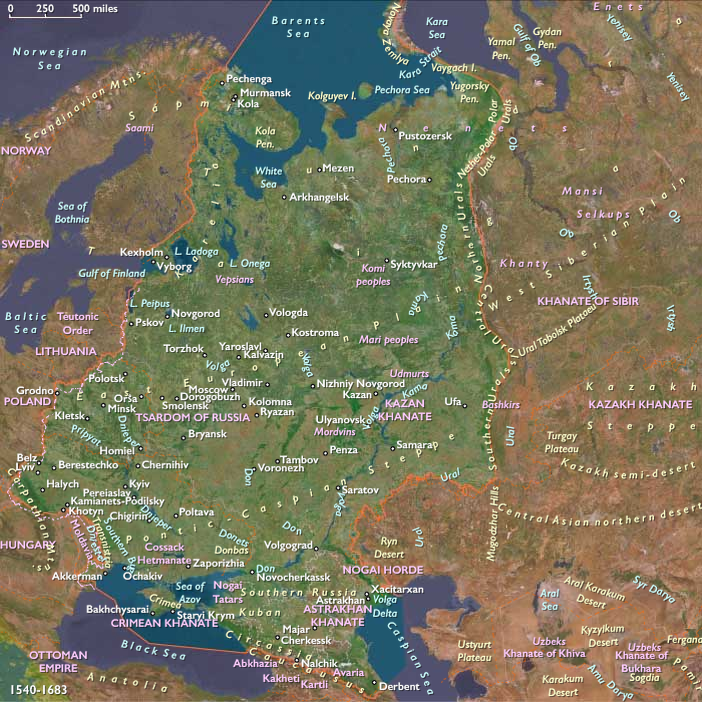
- East Europe
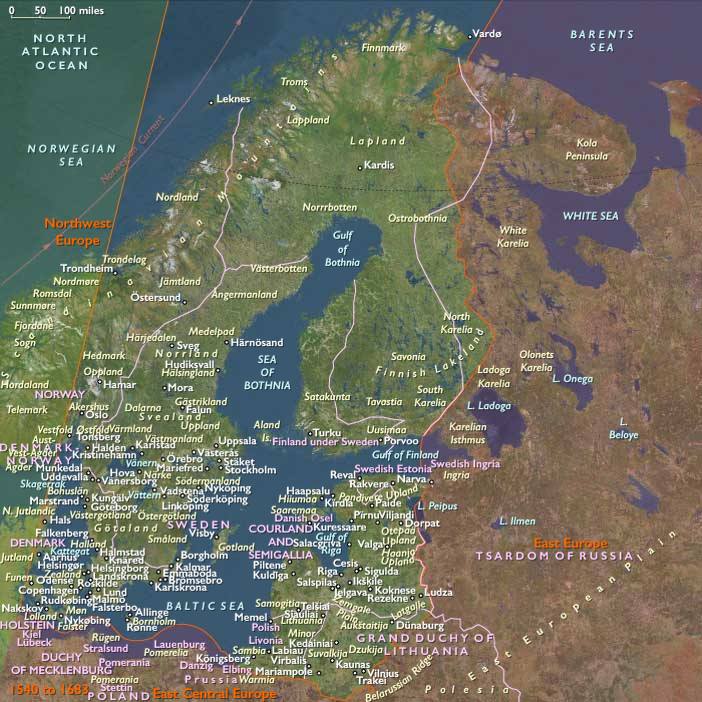
- Northeast Europe
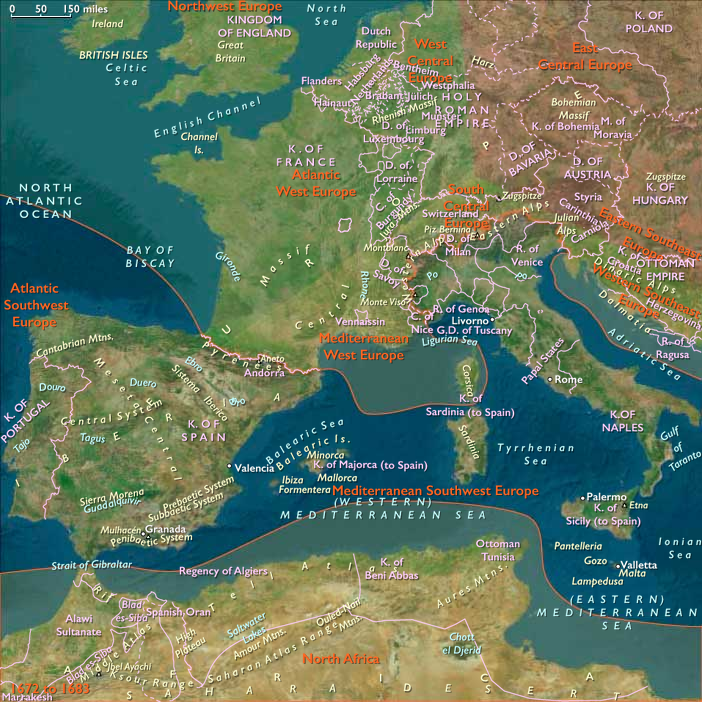
- East Central Europe
- Eastern Southeast Europe
- Western Southeast Europe
- South Central Europe
- Mediterranean West Europe
- Mediterranean Southwest Europe
- Atlantic Southwest Europe
- Atlantic West Europe
- Northwest Europe
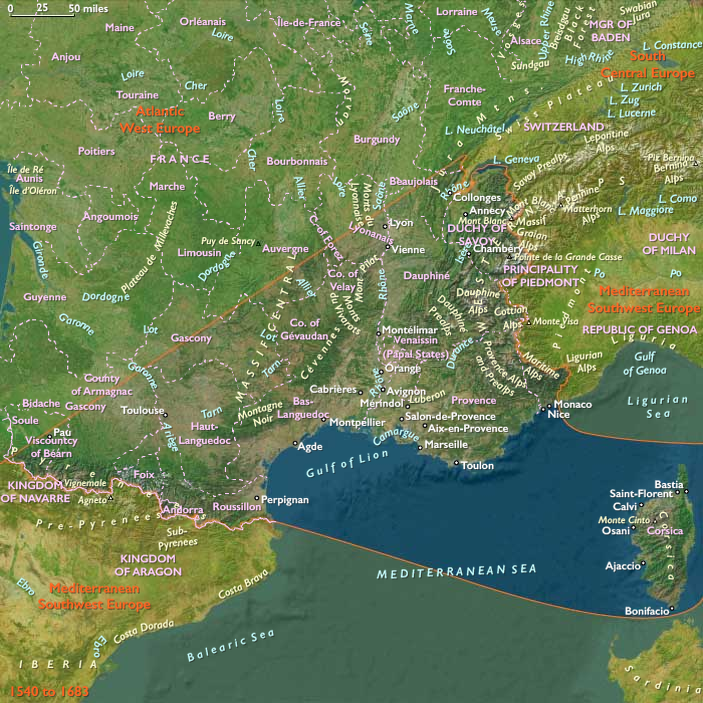
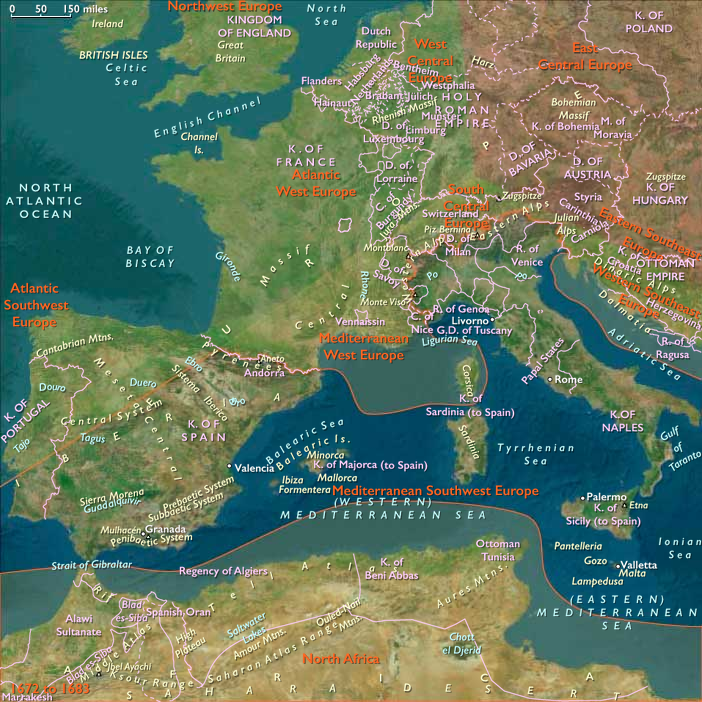
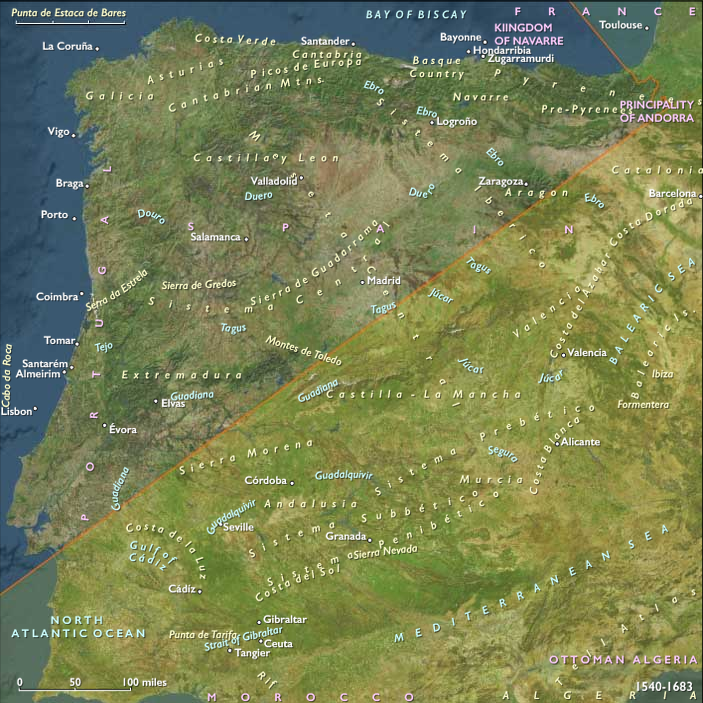
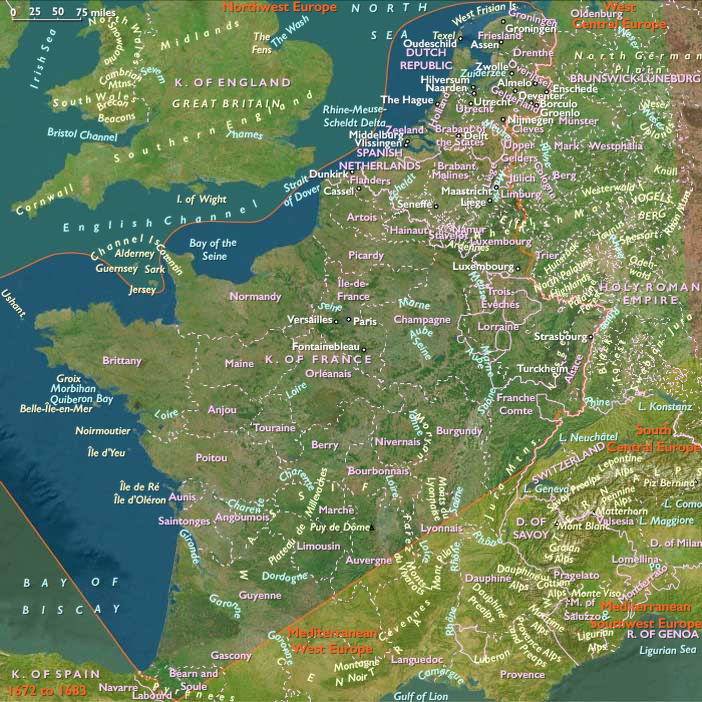
Years: 1540 - 1683
Groups
- Germany, Kingdom of (within the Holy Roman Empire)
- England, (Stuart) Kingdom of
- England, Commonwealth of
- England, (Stewart, Restored) Kingdom of
Topics
- Thirty Years' War
- English Civil War, First, or Great
- English Civil War, Second
- English Civil War, Third
Subjects
Regions
Subregions
- East Europe
- Northeast Europe
- East Central Europe
- Eastern Southeast Europe
- Western Southeast Europe
- South Central Europe
- Mediterranean West Europe
- Mediterranean Southwest Europe
- Atlantic Southwest Europe
- Atlantic West Europe
- Northwest Europe