
Ephesus had revolted after the treacherous death …
Years: 280BCE - 280BCE
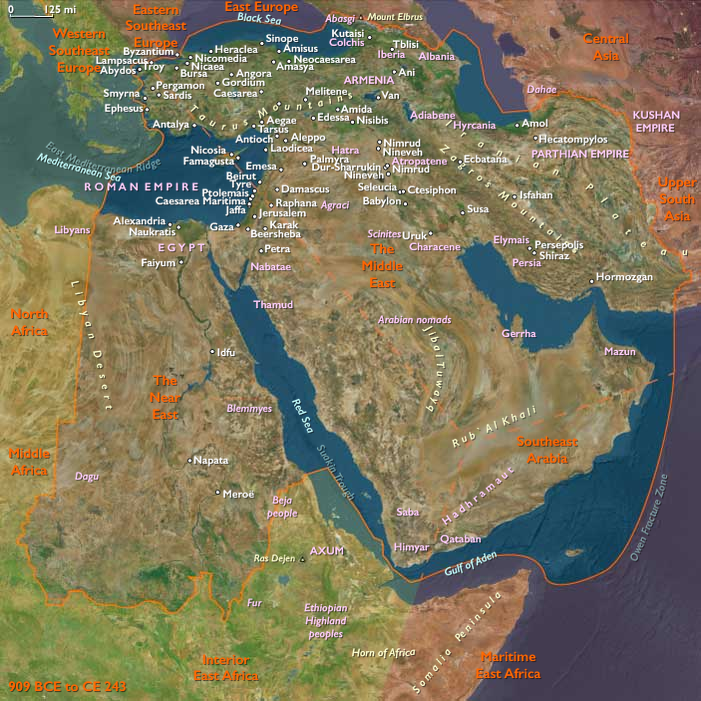
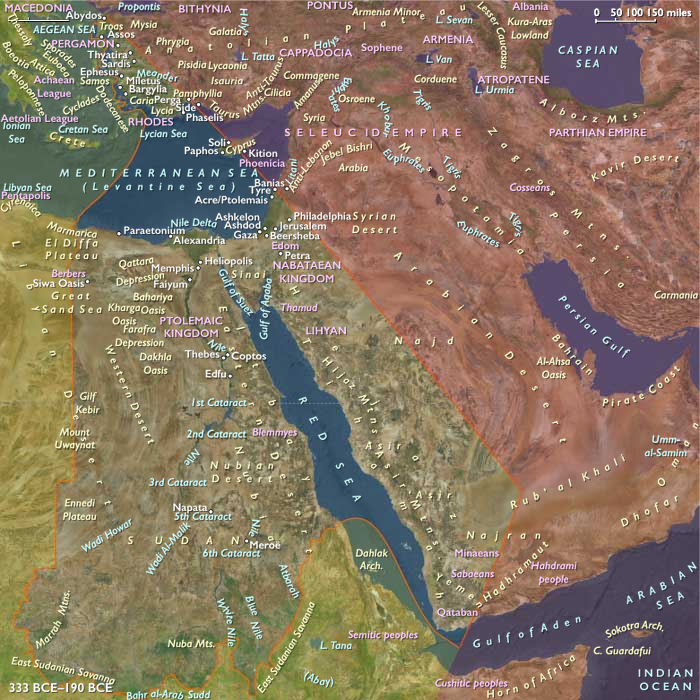
Ephesus had revolted after the treacherous death of Agathocles, giving the Hellenistic king of Syria and Mesopotamia Seleucus I Nicator in 281 BCE an opportunity for removing and killing Lysimachus, his last rival, at the Battle of Corupedium.
The town again is named Ephesus after the death of Lysimachus, and thus becomes part of the Seleucid Empire.
Locations
People
Groups
Topics
Subjects
Regions
Subregions
Related Events
Showing 10 events out of 64015 total
Years: 280BCE - 280BCE
Locations
People
Groups
Topics
Subjects
Regions
Subregions