
…enters prosperous Taxila, whose ruler, Taksilla, furnishes …
Years: 326BCE - 326BCE
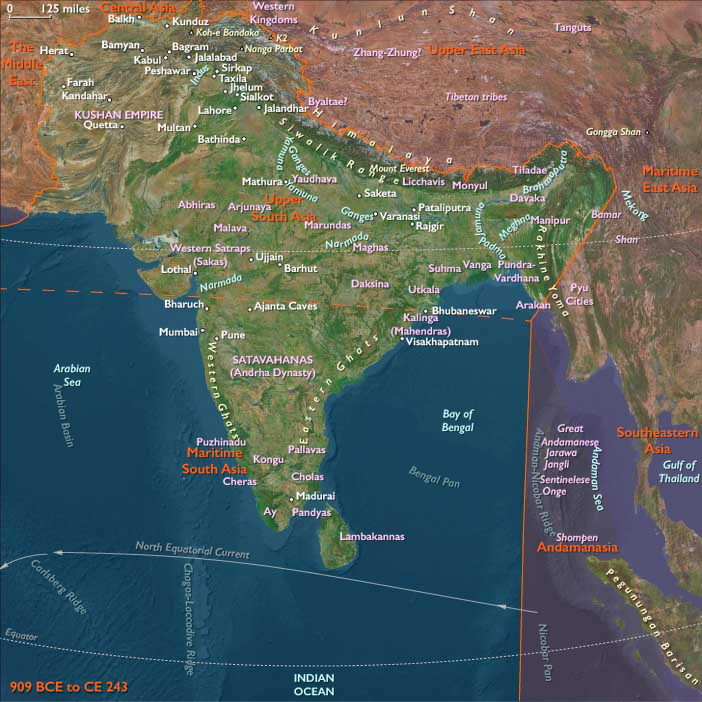
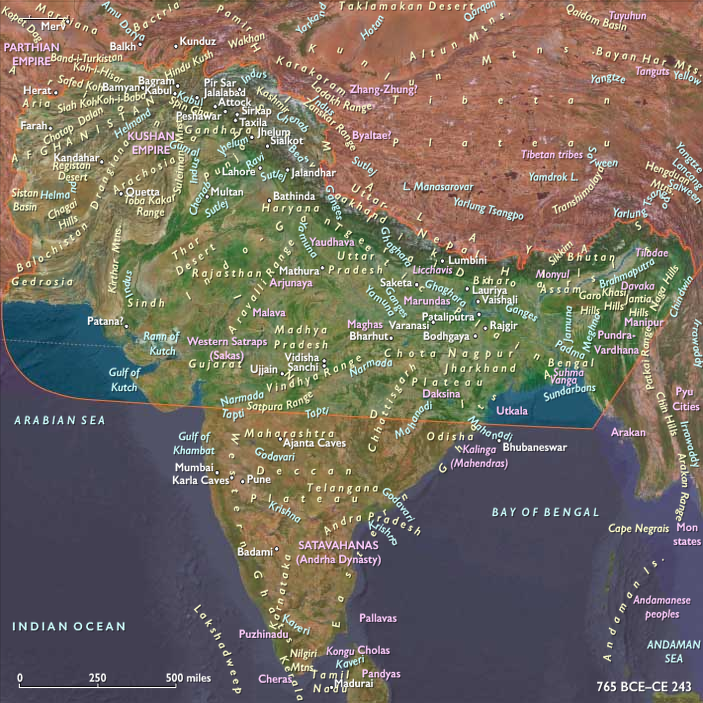
…enters prosperous Taxila, whose ruler, Taksilla, furnishes elephants and troops in return for aid against his rival Porus, who rules the lands between the Hydaspes (modern Jhelum) and the Acesines (modern Chenab) rivers.
Locations
People
Groups
Topics
- Iron Age India
- Iron Age Cold Epoch
- Classical antiquity
- Alexander the Great, Wars of
- Hydaspes (Jhelum) Rver, Battle of the
Commodoties
Subjects
Regions
Subregions
Related Events
Showing 10 events out of 64335 total
Years: 326BCE - 326BCE
Locations
People
Groups
Topics
- Iron Age India
- Iron Age Cold Epoch
- Classical antiquity
- Alexander the Great, Wars of
- Hydaspes (Jhelum) Rver, Battle of the
Commodoties
Subjects
Regions
Subregions