
Filters:
Engravings at Les Combarelles: A Glimpse …
Years: 13005BCE - 11278BCE
Engravings at Les Combarelles: A Glimpse into Upper Paleolithic Art
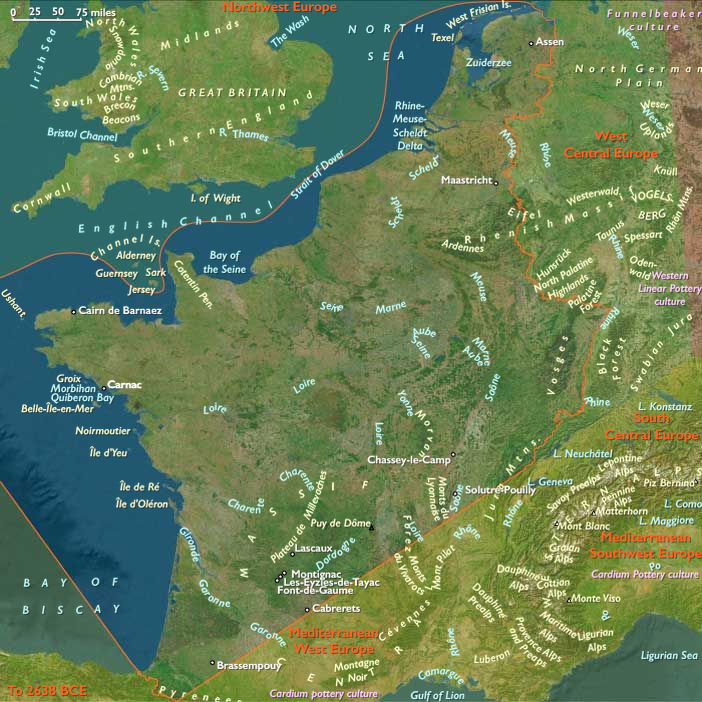
Around 12,000 BCE, engravers at Les Combarelles, a cave near Les Eyzies in the Dordogne region of France, created a remarkable collection of prehistoric depictions. These engravings, associated with the Magdalenian culture, showcase a rich diversity of Ice Age fauna and rare anthropomorphic figures.
Subjects Depicted in Les Combarelles Cave Art
-
Commonly Depicted Animals:
- Mammoths
- Bison
- Reindeer
- Horses
- Ibex
-
Rarely Portrayed Species:
- Cave lions
- Cave bears
- Wolves
-
Human Representations:
- Anthropomorphic figures – Possibly symbolic or mythical depictions.
- Mask-like images – Their purpose remains uncertain but may suggest ritual or shamanic significance.
Significance of the Les Combarelles Engravings
- The engravings reflect exceptional artistic skill, capturing naturalistic details of both common and rare species.
- The presence of carnivores and human-like figures suggests a broader symbolic or spiritual meaning beyond mere representation of prey animals.
- As one of the finest examples of Paleolithic rock engravings, Les Combarelles provides invaluable insight into Magdalenian culture and artistic traditions, helping to reconstruct the symbolic and environmental landscape of Ice Age Europe.
Locations
Groups
Topics
Commodoties
Subjects
Regions

Subregions
Years: 13005BCE - 11278BCE
Locations
Groups
Topics
Commodoties
Subjects
Regions
Subregions