
enry VIII's Expedition to Calais and the …
Years: 1513 - 1513
June
enry VIII's Expedition to Calais and the March Toward Thérouanne (June 1513)
In May and June 1513, English forces under King Henry VIII began gathering in strength at Calais, marking the onset of Henry’s ambitious military campaign against France. Initially commanded by George Talbot, Earl of Shrewsbury, appointed Lieutenant-General on May 12, the English army grew steadily as noblemen and their retainers arrived, meticulously recorded in the contemporary Chronicle of Calais from June 6 onward.
Organization and Command Structure
The English force assembled was substantial and diverse. Shrewsbury commanded the vanguard, numbering around eight thousand men, while Charles Somerset, Lord Herbert, oversaw the rearguard comprising about six thousand troops. King Henry himself arrived at Calais with the main force—approximately eleven thousand soldiers—on June 30, 1513, dramatically reinforcing morale and underscoring the seriousness of the expedition.
The organization of Henry’s army reflected a sophisticated combination of troop types and military innovations. The assembled force included cavalry, artillery units, disciplined infantry formations, English longbowmen equipped with specially hardened steel-tipped arrows capable of penetrating contemporary armor, and notably, a contingent of eight hundred German mercenaries marching prominently ahead of the king, reflecting the continental military practices and alliances of the period.
The provisioning and administration of Henry's troops were coordinated by the rising political figure Cardinal Thomas Wolsey, acting as the King's Almoner, a position crucial in securing logistical and financial resources for the army.
Governance in England During Henry’s Absence
As Henry departed for the campaign, he appointed his queen, Catherine of Aragon, as Rectrix et Gubernatrix("Rector and Governor") to administer England and Wales in his stead. Catherine's temporary rule during Henry’s absence across the Channel highlighted both the King's trust in her leadership capabilities and the political significance attached to this military venture.
Strategic Goals and Implications
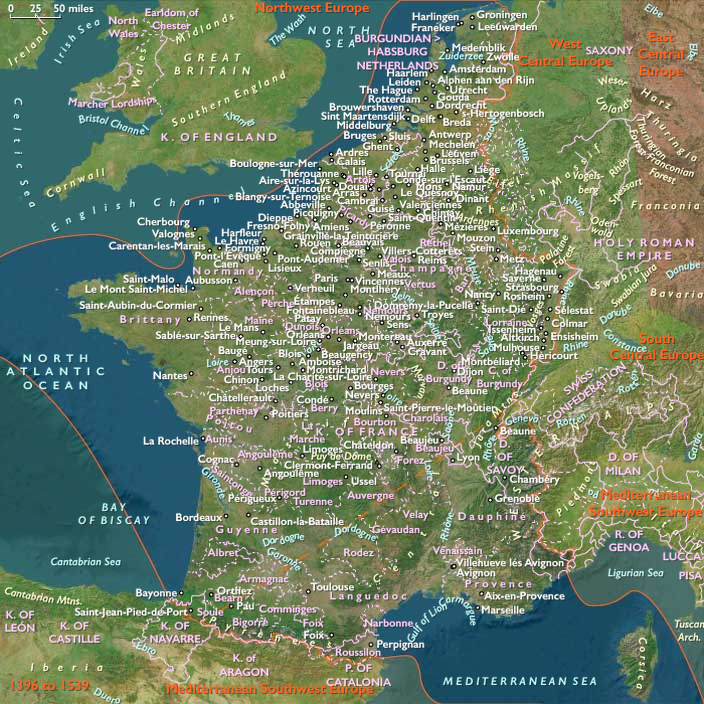
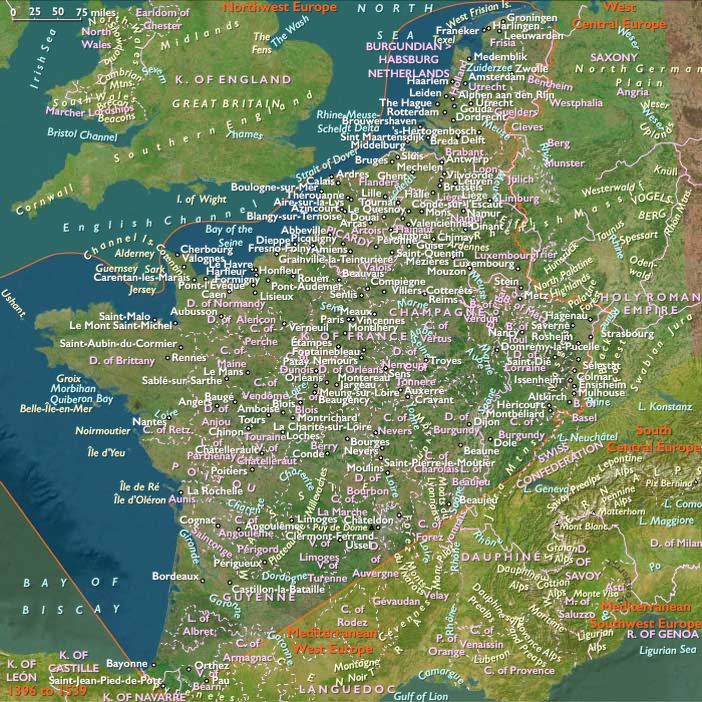
Henry’s primary strategic goal was to capture the fortified town of Thérouanne, a key defensive and logistical point in northern France. Its fall would significantly bolster English presence in continental Europe and challenge French influence directly. The size, organization, and symbolic weight of Henry’s personally led army underscored his determination to establish England as a central European military power, aligning closely with broader Holy League objectives.
Consequences and Legacy
Henry VIII’s personal presence at Calais and subsequent march toward Thérouanne marked an ambitious step in England's ongoing struggle for prominence in European politics and warfare. The 1513 campaign, though mixed in outcomes, demonstrated Henry’s military ambitions, showcasing emerging military technologies and tactical innovations, and profoundly shaping England’s diplomatic and military trajectory throughout the sixteenth century.
Locations
People
- Alfonso d'Este
- Andrea Gritti
- Bartolomeo d'Alviano
- Catherine of Aragon
- Catherine of Navarre
- Charles Somerset
- Edward Poynings
- Ferdinand II of Aragon
- George Talbot
- Gian Giacomo Trivulzio
- Giuliano de Medici
- Henry VIII of England
- Jacques de La Palice
- Louis I d'Orléans
- Louis II de la Trémoille
- Louis XII of France
- Maximilian I of
- Maximilian Sforza
- Pope Leo X
- Ramón de Cardona
- Thomas Grey
- Thomas Wolsey
Groups
- Papal States (Republic of St. Peter)
- Navarre, Kingdom of
- Genoa, (Most Serene) Republic of
- Christians, Roman Catholic
- Mantua, free commune of
- Aragón, Kingdom of
- Venice, (Most Serene) Republic of
- Aragon, Crown of
- Swiss mercenaries
- France, (Valois) Kingdom of
- Holy Roman Empire
- Urbino, Duchy of
- Milan, Duchy of
- Modena and Reggio, Duchy of
- Ferrara, Duchy of
- England, (Tudor) Kingdom of
- Florence, Republic of
Topics
Commodoties
Subjects
Regions
Subregions
Related Events
Showing 10 events out of 39214 total
Years: 1513 - 1513
June
Locations
People
- Alfonso d'Este
- Andrea Gritti
- Bartolomeo d'Alviano
- Catherine of Aragon
- Catherine of Navarre
- Charles Somerset
- Edward Poynings
- Ferdinand II of Aragon
- George Talbot
- Gian Giacomo Trivulzio
- Giuliano de Medici
- Henry VIII of England
- Jacques de La Palice
- Louis I d'Orléans
- Louis II de la Trémoille
- Louis XII of France
- Maximilian I of
- Maximilian Sforza
- Pope Leo X
- Ramón de Cardona
- Thomas Grey
- Thomas Wolsey
Groups
- Papal States (Republic of St. Peter)
- Navarre, Kingdom of
- Genoa, (Most Serene) Republic of
- Christians, Roman Catholic
- Mantua, free commune of
- Aragón, Kingdom of
- Venice, (Most Serene) Republic of
- Aragon, Crown of
- Swiss mercenaries
- France, (Valois) Kingdom of
- Holy Roman Empire
- Urbino, Duchy of
- Milan, Duchy of
- Modena and Reggio, Duchy of
- Ferrara, Duchy of
- England, (Tudor) Kingdom of
- Florence, Republic of
Topics
Commodoties
Subjects
Regions
Subregions