
Empress Irene favors the restoration of the …
Years: 786 - 786
Empress Irene favors the restoration of the use, in religious devotion, of pictorial representation of saints or of the Trinity, prohibited by imperial decree since 730.
In 784, the imperial secretary Patriarch Tarasius, on of Irene’s supporters, had been appointed successor to the Patriarch Paul IV—he had accepted on the condition that intercommunion with the other churches should be reestablished; that is, that the images should be restored.
However, a council, claiming to be ecumenical, had abolished the veneration of icons, so psychologically another ecumenical council is necessary for its restoration, to rule on the use.
Pope Adrian I, who had been invited to participate, had gladly accepted.
However, the invitation intended for the oriental patriarchs could not even be delivered to them.
The Roman legates were an archbishop and an abbot, both named Peter.
In 786, the council meets in the Church of the Holy Apostles in Constantinople.
However, soldiers in collusion with the opposition enter the church, and break up the assembly.
As a result, the government resorts to a stratagem.
Under the pretext of a campaign, the iconoclastic bodyguard is sent away from the capital—disarmed and disbanded.
Locations
People
Groups
- Christianity, Chalcedonian
- Greeks, Medieval (Byzantines)
- Roman Empire, Eastern: Isaurian dynasty
- Papal States (Republic of St. Peter)
Topics
Commodoties
Subjects
- Commerce
- Symbols
- Labor and Service
- Conflict
- Mayhem
- Faith
- Government
- Technology
- Movements
- Christology
Regions
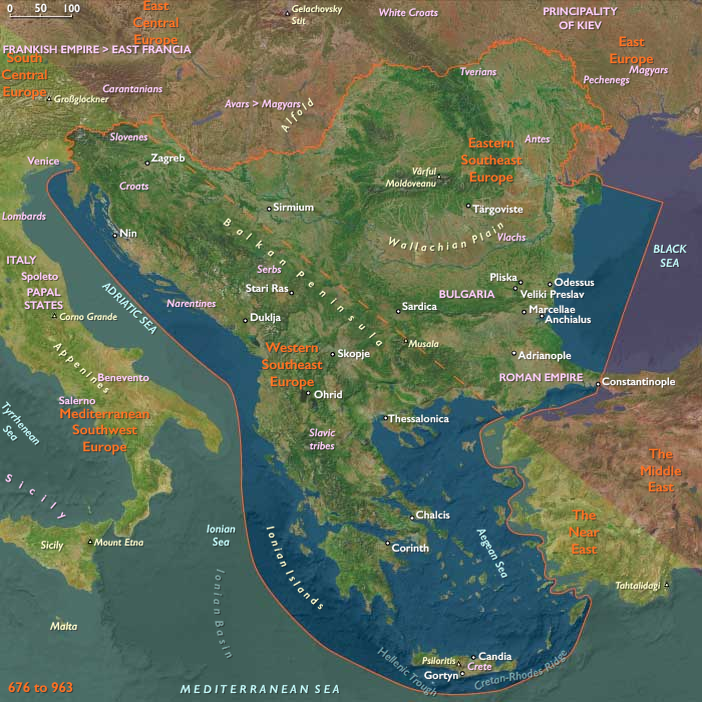
Subregions
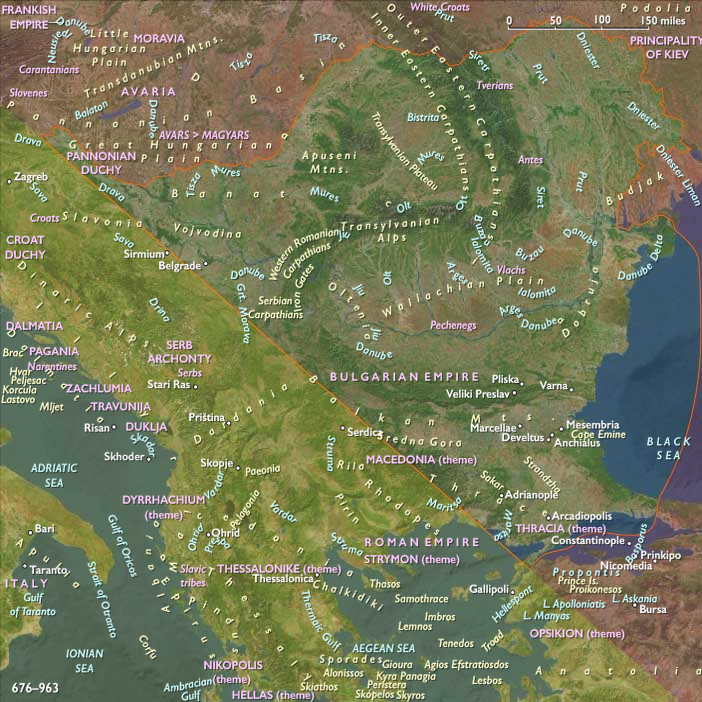
Related Events
Showing 10 events out of 55002 total
Years: 786 - 786
Locations
People
Groups
- Christianity, Chalcedonian
- Greeks, Medieval (Byzantines)
- Roman Empire, Eastern: Isaurian dynasty
- Papal States (Republic of St. Peter)
Topics
Commodoties
Subjects
- Commerce
- Symbols
- Labor and Service
- Conflict
- Mayhem
- Faith
- Government
- Technology
- Movements
- Christology
Regions
Subregions