
Constantine's Victory Over Licinius and the Unification …
Years: 316 - 327
Constantine's Victory Over Licinius and the Unification of the Roman Empire (324 CE)
In 324 CE, Constantine the Great decisively defeated his brother-in-law and co-emperor, Licinius, bringing an end to their power struggle and reuniting the Roman Empire under a single ruler. This marked the final collapse of the Tetrarchy, firmly establishing Constantine as sole emperor, a position he would hold until his death in 337 CE.
1. Background: The Tensions Between Constantine and Licinius
- After the defeat of Maxentius at the Battle of the Milvian Bridge (312 CE), Constantine controlled the Western Roman Empire.
- Meanwhile, Licinius ruled the Eastern Roman Empire, having defeated Maximinus Daia in 313 CE.
- Although they had issued the Edict of Milan (313 CE) together, tensions grew due to:
- Constantine’s increasing favoritism toward Christianity, while Licinius remained suspicious of the new faith.
- Licinius’ persecution of Christians, likely to counteract Constantine’s growing influence in the East.
- Political and military rivalry between their courts, leading to open conflict.
2. The Civil War and Constantine’s Campaign (324 CE)
The final war between Constantine and Licinius was fought in two major battles:
-
The Battle of Adrianople (July 3, 324 CE)
- Constantine’s army invaded Thrace, confronting Licinius near Adrianople.
- Despite having a numerically superior army, Licinius suffered a devastating defeat, forcing him to retreat across the Bosphorus to Asia Minor.
-
The Battle of Chrysopolis (September 18, 324 CE)
- Constantine pursued Licinius, engaging him in Bithynia (modern-day Turkey).
- This final battle was a decisive victory for Constantine, leaving Licinius with no escape.
- Licinius surrendered, bringing an end to the division of the empire.
3. Aftermath: Constantine Becomes Sole Ruler of Rome
- Licinius was initially spared but later executed in 325 CE, likely due to concerns over a potential rebellion.
- With both the Western and Eastern Roman Empires reunited, Constantine became the undisputed ruler, the first sole emperor since Diocletian’s reforms in 286 CE.
4. Significance of Constantine’s Victory
- End of the Tetrarchy: The system of divided rule was permanently dismantled, and the empire returned to a single ruler model.
- Christianity’s Growing Dominance: With Constantine’s victory, Christianity became increasingly favored, paving the way for its eventual establishment as the state religion.
- Foundation of Constantinople (330 CE): Constantine’s new capital in the East ensured the empire’s long-term survival, eventually evolving into the Byzantine Empire.
Conclusion: A Turning Point in Roman History
Constantine’s defeat of Licinius in 324 CE was a pivotal moment that not only ended the civil wars of the Tetrarchybut also set the stage for the transformation of the Roman Empire into a Christian empire. His rule reshaped the course of Western civilization, leading to an era of imperial stability and religious revolution.
People
Groups
Topics
Subjects
Regions
- The Near and Middle East
- Southeast Europe
- Central Europe
- West Europe
- North Europe
- North Africa
- Southwest Europe





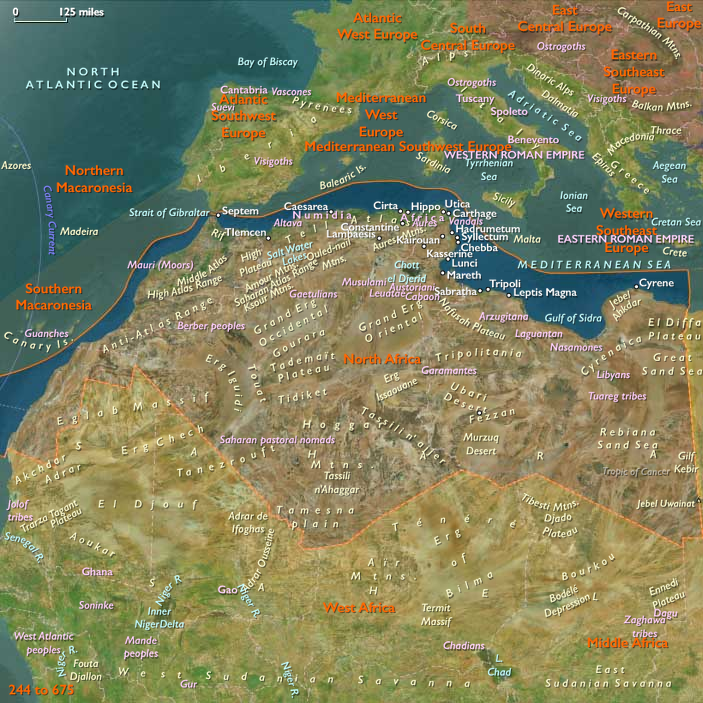

Subregions
- East Central Europe
- Eastern Southeast Europe
- Middle East
- Near East
- Western Southeast Europe
- South Central Europe
- Mediterranean West Europe
- Mediterranean Southwest Europe
- North Africa
- Atlantic Southwest Europe
- Atlantic West Europe
- West Central Europe
- Northwest Europe


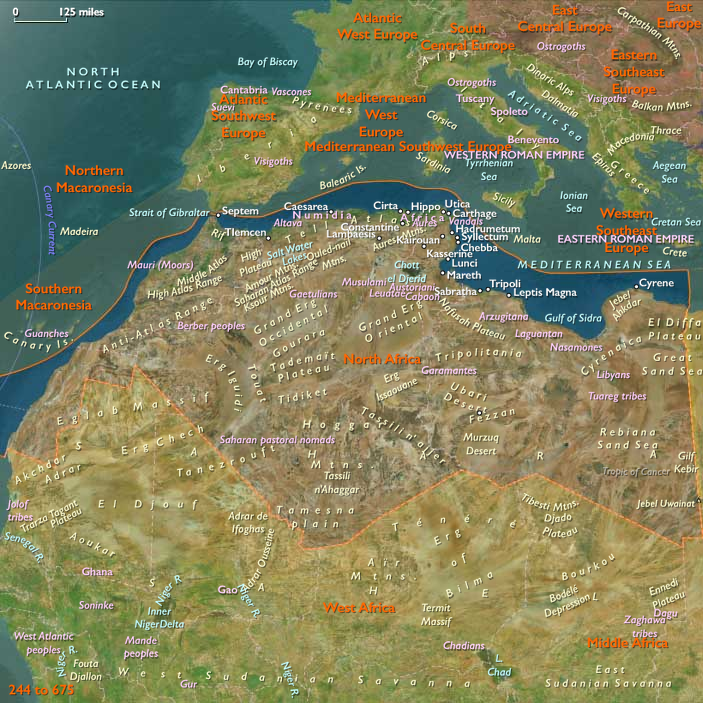



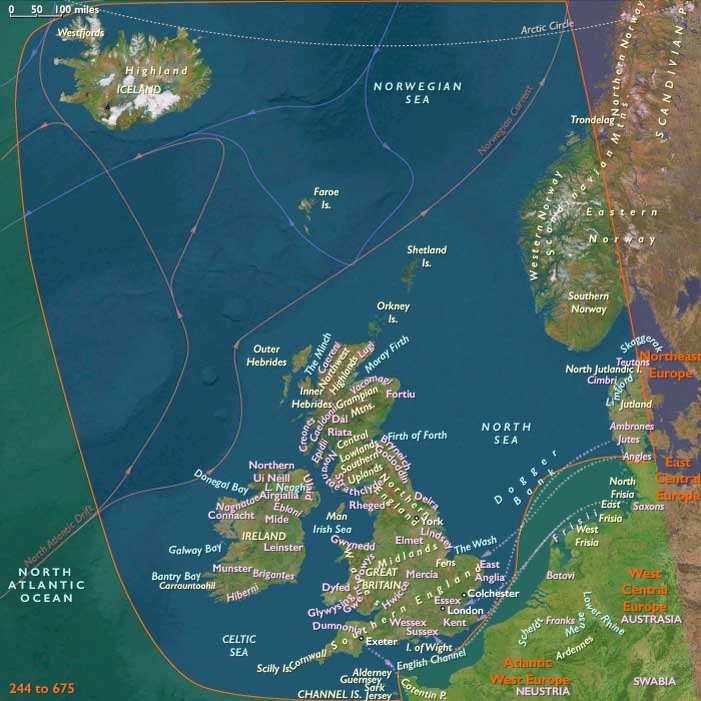
Related Events
Showing 4 events out of 4 total
Years: 316 - 327
People
Groups
Topics
Subjects
Regions
- The Near and Middle East
- Southeast Europe
- Central Europe
- West Europe
- North Europe
- North Africa
- Southwest Europe
Subregions
- East Central Europe
- Eastern Southeast Europe
- Middle East
- Near East
- Western Southeast Europe
- South Central Europe
- Mediterranean West Europe
- Mediterranean Southwest Europe
- North Africa
- Atlantic Southwest Europe
- Atlantic West Europe
- West Central Europe
- Northwest Europe