
Constantius II and the Intensification of Religious …
Years: 340 - 351
Constantius II and the Intensification of Religious Conflict in the Roman Empire (337–361 CE)
Following the death of Constantine the Great in 337 CE, his son Constantius II ascended as sole emperor by 353 CE after defeating his brothers and rivals. Like his father, he strongly favored Christianity, but he went further by actively suppressing both paganism and Judaism, leading to heightened religious tensions across the empire.
1. Christian Persecution of Pagans and Jews
- Unlike Constantine, who had maintained a degree of religious tolerance, Constantius II permitted the persecution of non-Christians.
- He issued edicts closing pagan temples and banning animal sacrifices, striking at the core of Roman traditional religious practices.
- He also placed restrictions on Jewish religious practices, including:
- Banning Jewish conversions to Christianity or paganism.
- Prohibiting the construction of new synagogues while allowing churches to be built.
2. Christian Clergy and Religious Intolerance
- Some Christian bishops and clergy took advantage of imperial favor, using secular authorities to persecute non-Christians.
- In many regions, violent Christian mobs, sometimes incited by clergy, destroyed synagogues and pagan temples.
- This fueled resentment and backlash from both Jews and traditional Roman elites, who saw imperial policies as an attack on their ancestral traditions.
3. Jewish Resistance and Hostility Toward Converts
- As persecution intensified, Jewish communities became increasingly resistant to Christian proselytism.
- Jewish leaders condemned Jewish converts to Christianity, often ostracizing or excommunicating them.
- To express their opposition to Roman rule, some Jewish preachers used veiled references in synagogues, invoking:
- Edom, a biblical symbol of foreign oppression, as a metaphor for Rome’s suppression of Judaism.
- Passages in Jewish sermons that criticized imperial policies and Christian encroachments.
4. The Growing Religious Divide in the Empire
- The repression of paganism and Judaism under Constantius II further polarized religious communities, deepening divisions between:
- Christians and pagans, as traditional Roman elites resisted Christian dominance.
- Christians and Jews, as imperial policies pushed Jewish communities into active defiance.
- These tensions would continue to shape imperial policies, leading to later imperial interventions in religious disputes, particularly under Theodosius I (r. 379–395 CE), who would make Christianity the official state religion.
Conclusion: A New Phase of Religious Conflict in the Roman Empire
Under Constantius II, the Christianization of the empire became more aggressive, marking a shift from imperial favoritism to outright suppression of other faiths. This period:
- Weakened traditional Roman religion, paving the way for its eventual elimination as the state faith.
- Exacerbated Jewish-Christian relations, leading to centuries of hostility and legal discrimination against Jewish communities.
- Fueled opposition from pagans, setting the stage for later pagan revivals, including Julian the Apostate’s reign (361–363 CE).
Constantius II’s religious policies not only strengthened Christianity’s dominance but also deepened religious and social conflicts within the late Roman Empire, shaping its future trajectory.
People
Groups
- Polytheism (“paganism”)
- Jews
- Christianity, Nicene
- Roman Empire: Constantinian dynasty (Constantinople)
Subjects
Regions
Subregions
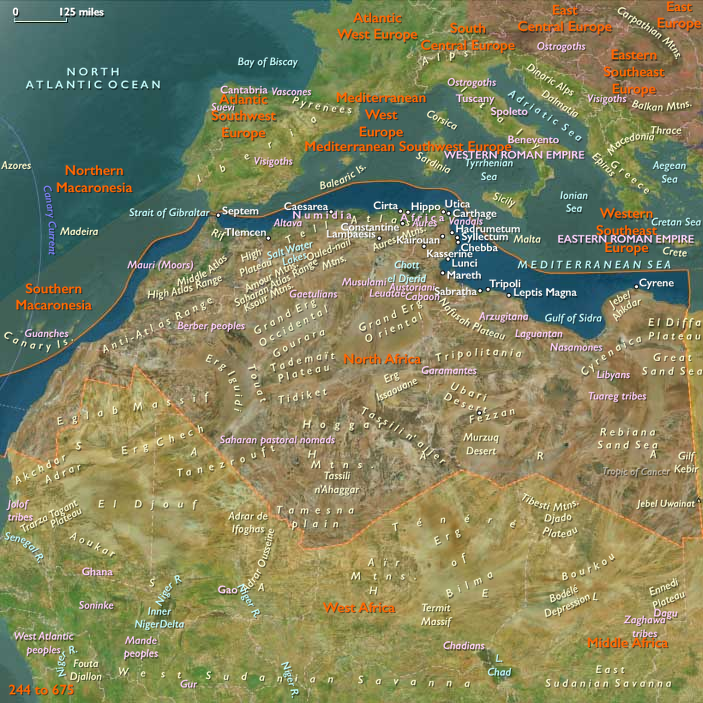
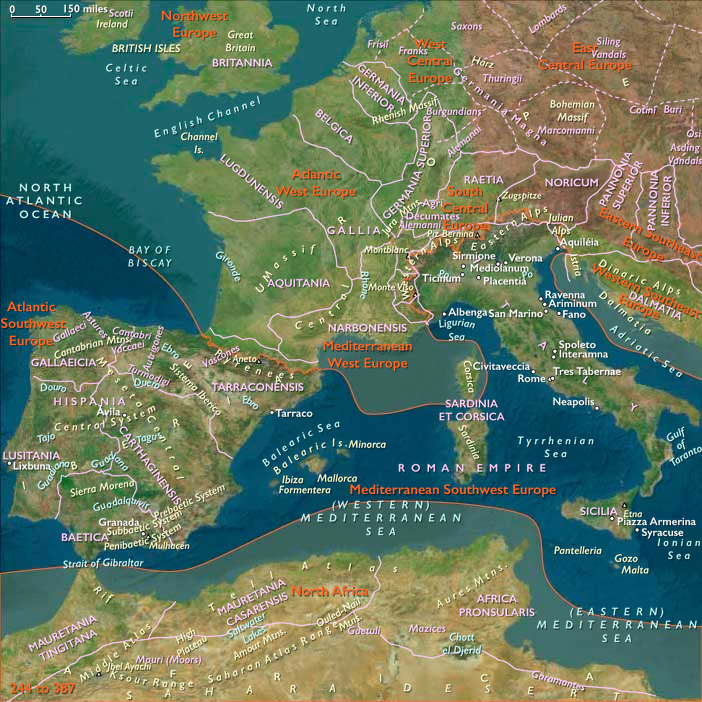
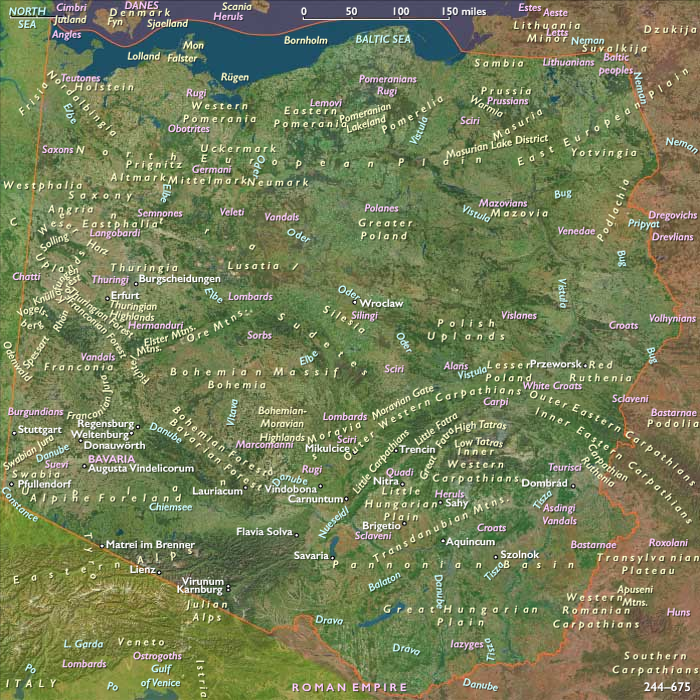
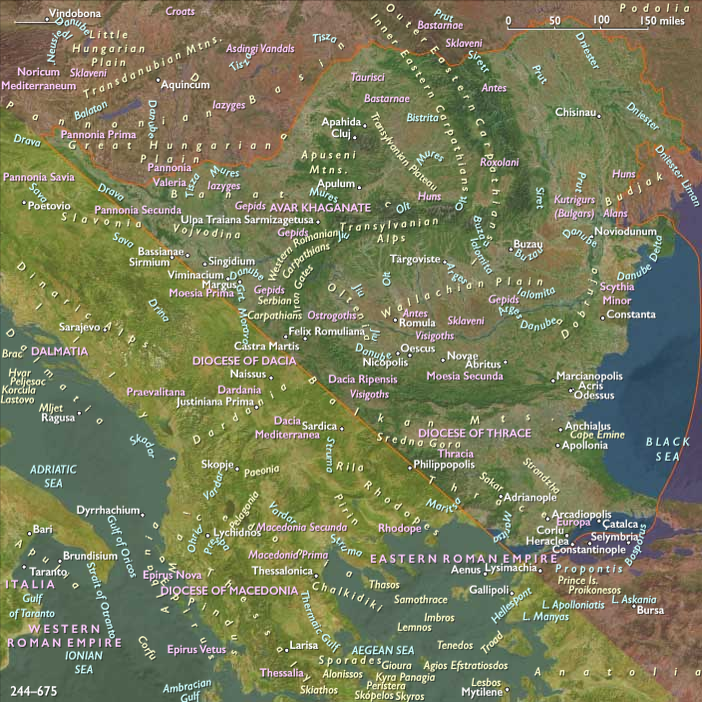
- East Central Europe
- Eastern Southeast Europe
- Middle East
- Near East
- Western Southeast Europe
- South Central Europe
- Mediterranean West Europe
- Mediterranean Southwest Europe
- North Africa
- Atlantic Southwest Europe
- Atlantic West Europe
- West Central Europe
- Northwest Europe
Related Events
Showing 10 events out of 59847 total
Years: 340 - 351
People
Groups
- Polytheism (“paganism”)
- Jews
- Christianity, Nicene
- Roman Empire: Constantinian dynasty (Constantinople)
Subjects
Regions
Subregions
- East Central Europe
- Eastern Southeast Europe
- Middle East
- Near East
- Western Southeast Europe
- South Central Europe
- Mediterranean West Europe
- Mediterranean Southwest Europe
- North Africa
- Atlantic Southwest Europe
- Atlantic West Europe
- West Central Europe
- Northwest Europe