
Filters:
Emperor Claudius and the Expansion of the …
Years: 52 - 63
Emperor Claudius and the Expansion of the Roman Empire (41–54 CE)
Emperor Claudius (r. 41–54 CE), known for his shrewd administrative skills and focus on imperial stability, actively expanded Roman citizenship and established new Roman cities throughout the empire. He recognized that urbanization and integration of provincial elites were key to maintaining imperial control and governance.
Claudius’ Territorial Expansions
During his reign, several key regions were incorporated into the Roman Empire, strengthening Rome’s dominance in Western Europe, North Africa, and beyond:
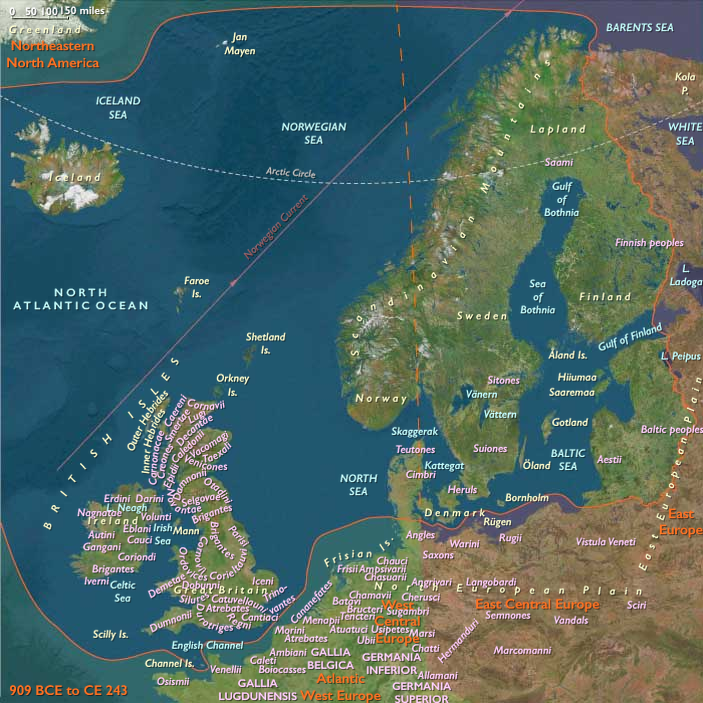
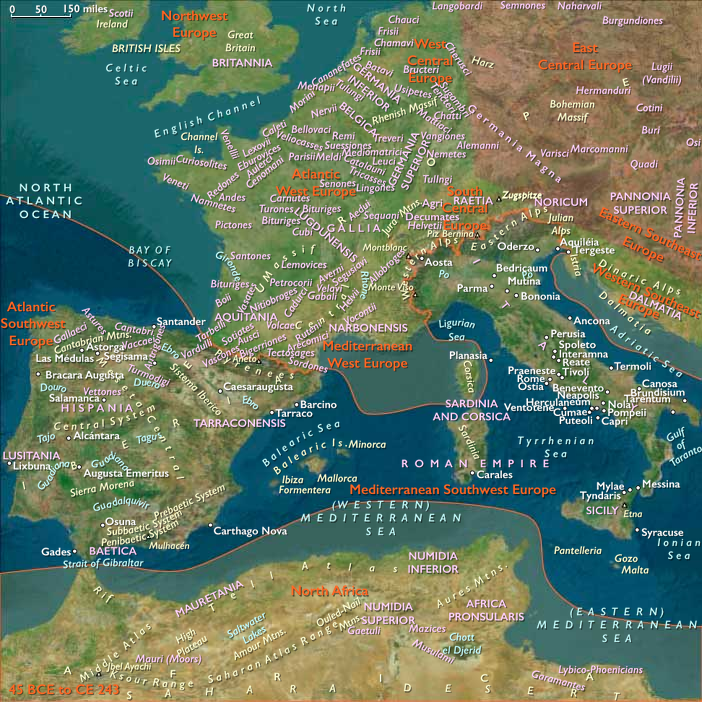
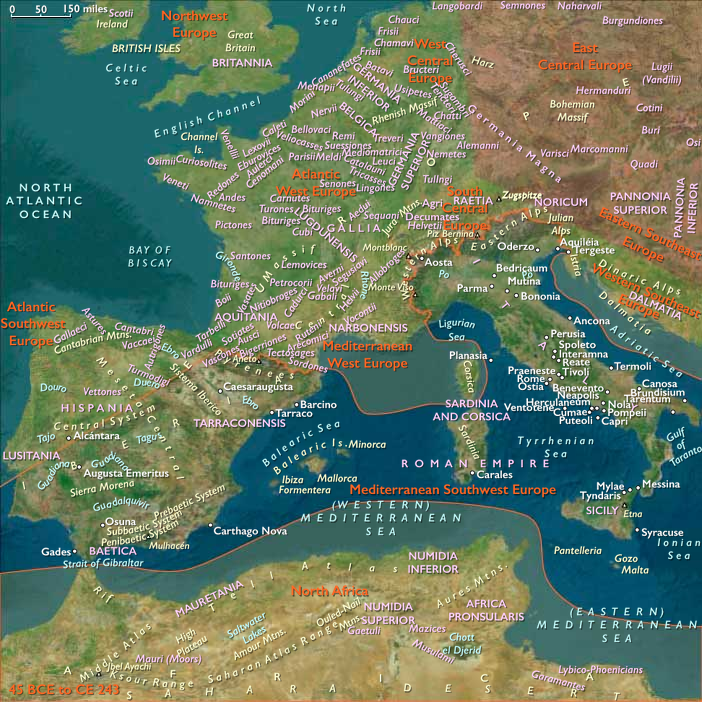
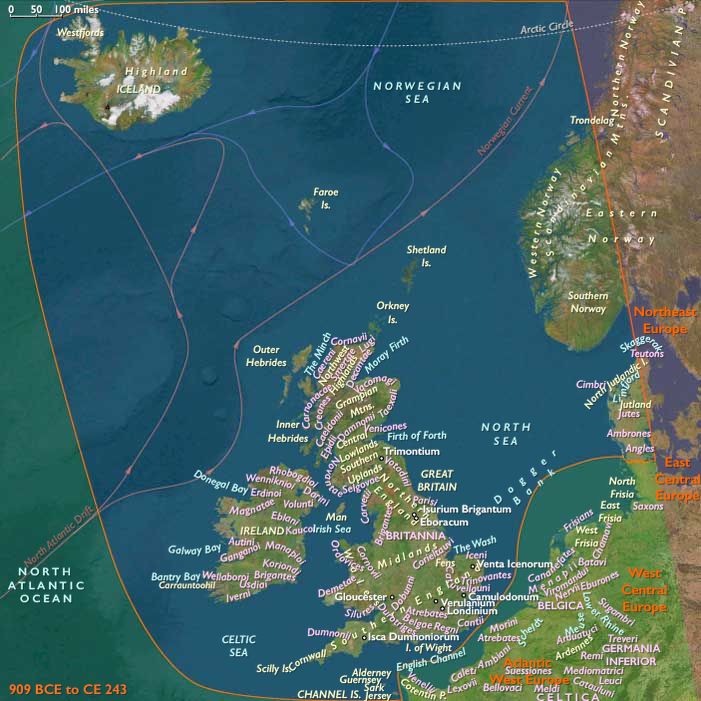
1. The Roman Conquest of Britain (43 CE)
- Under Claudius, Rome finally launched the long-awaited invasion of Britain, previously attempted under Julius Caesar (55–54 BCE) and planned but abandoned by Caligula (40 CE).
- Aulus Plautius led the campaign with four legions, successfully defeating the Catuvellauni and their allies.
- Claudius personally traveled to Britain to accept the submission of local chieftains, marking the formal annexation of Britannia as a Roman province.
- Roman fortresses, roads, and cities were established, including Camulodunum (Colchester), the first provincial capital.
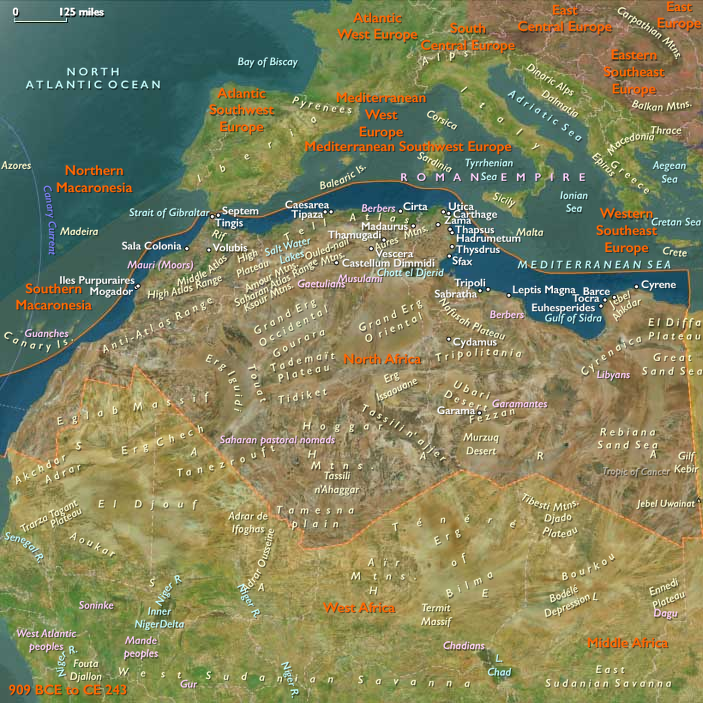
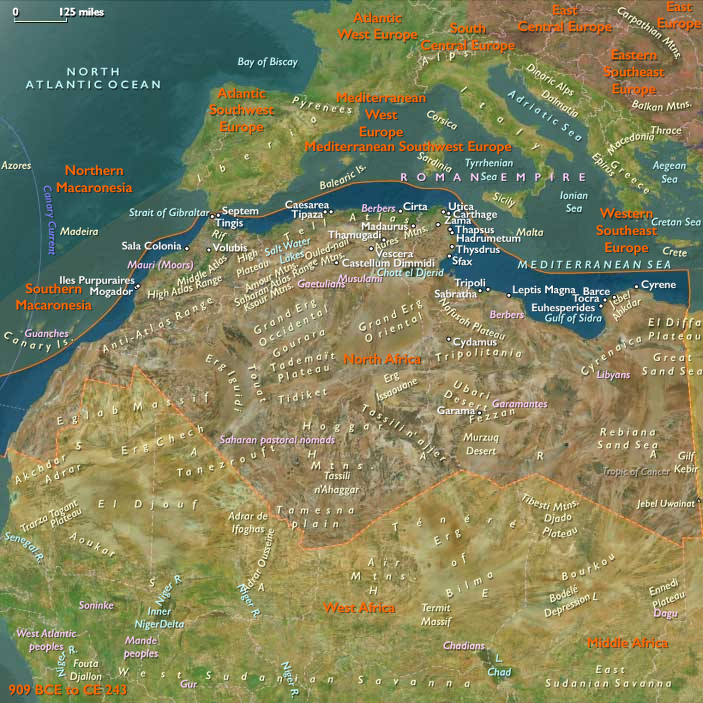
2. Annexation of Mauretania (42 CE)
- Mauretania, previously a client kingdom, was formally annexed into the empire after the execution of its last king, Ptolemy of Mauretania (40 CE).
- The kingdom was divided into two new provinces:
- Mauretania Tingitana (modern Morocco)
- Mauretania Caesariensis (modern Algeria)
- This secured Roman dominance over North Africa, allowing easier control of trade and military movementsalong the western Mediterranean.
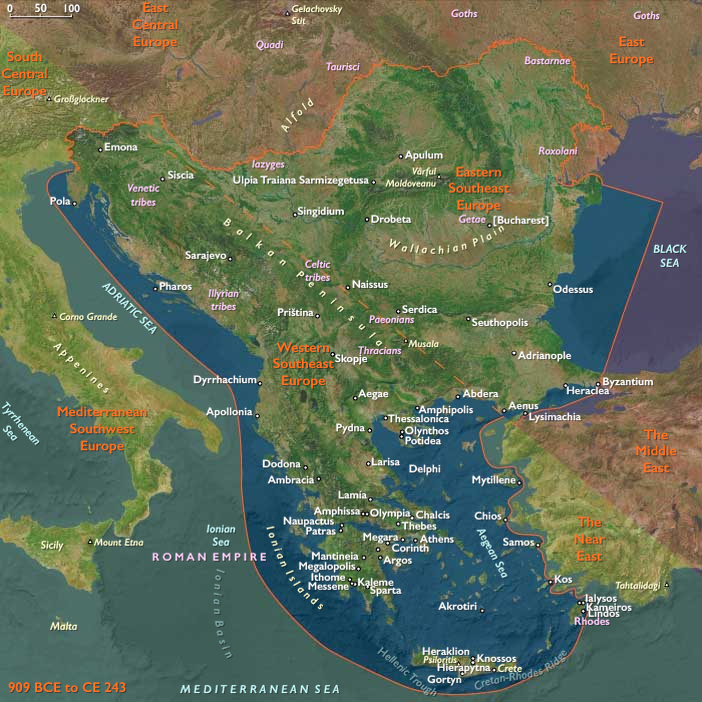
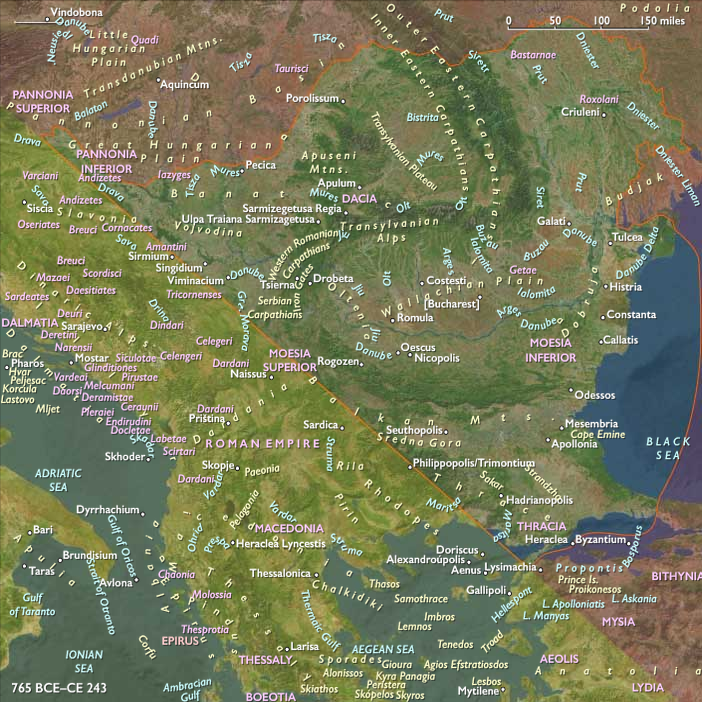
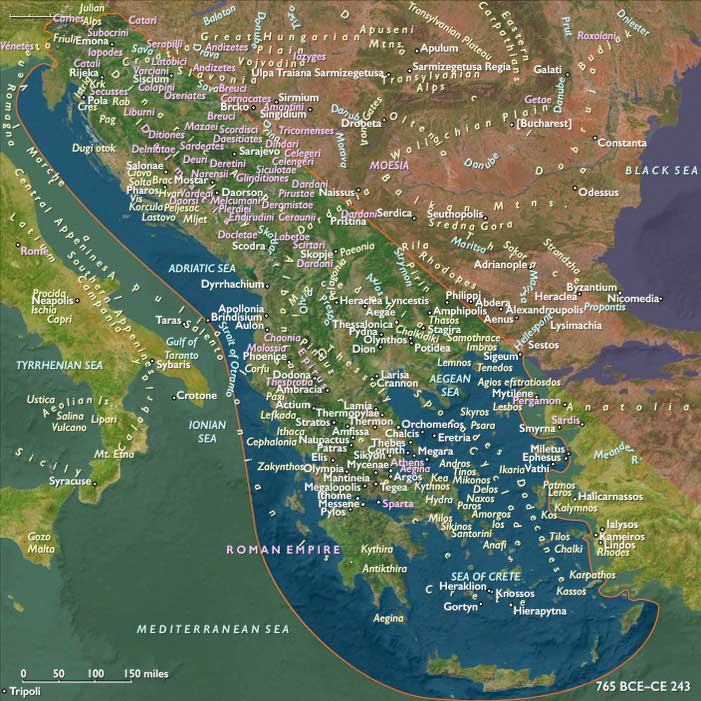
3. The Integration of Thrace (46 CE)
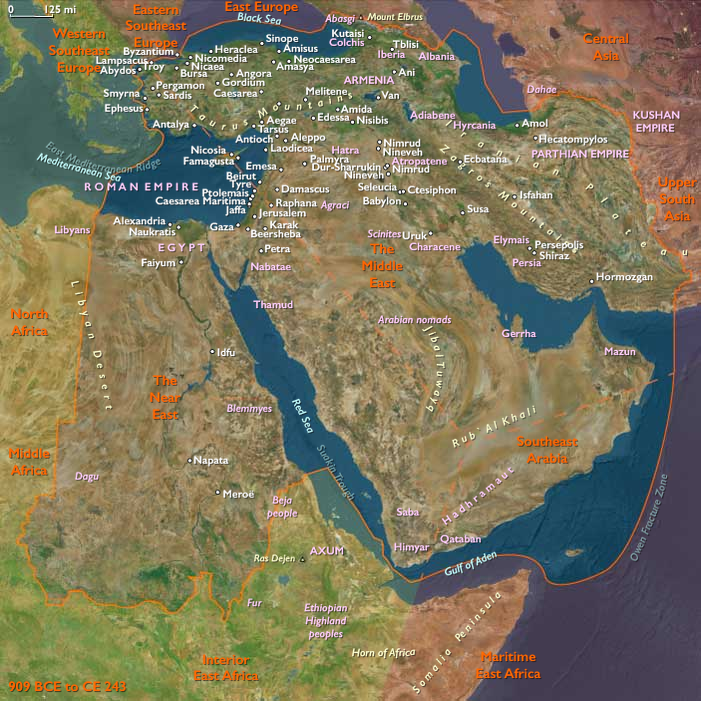
- Thrace, previously a client kingdom, was incorporated into the empire after the death of King Rhoemetalces III.
- Rome stationed legions in the region, securing its strategic position near the Danube frontier and preventing incursions from barbarian tribes.
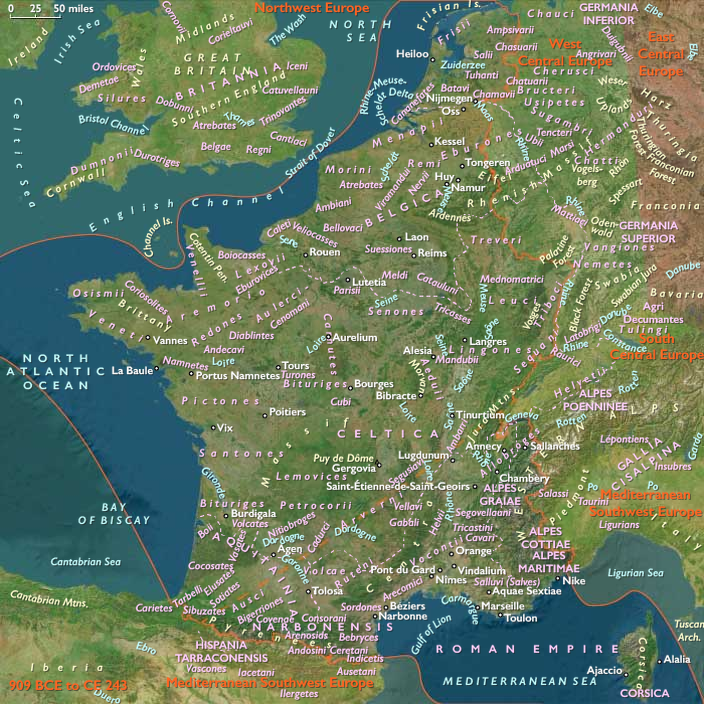
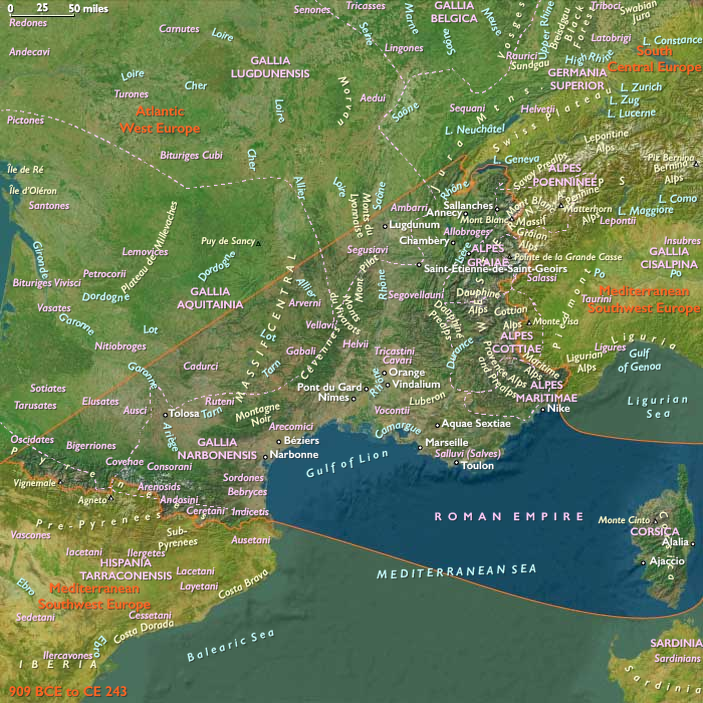
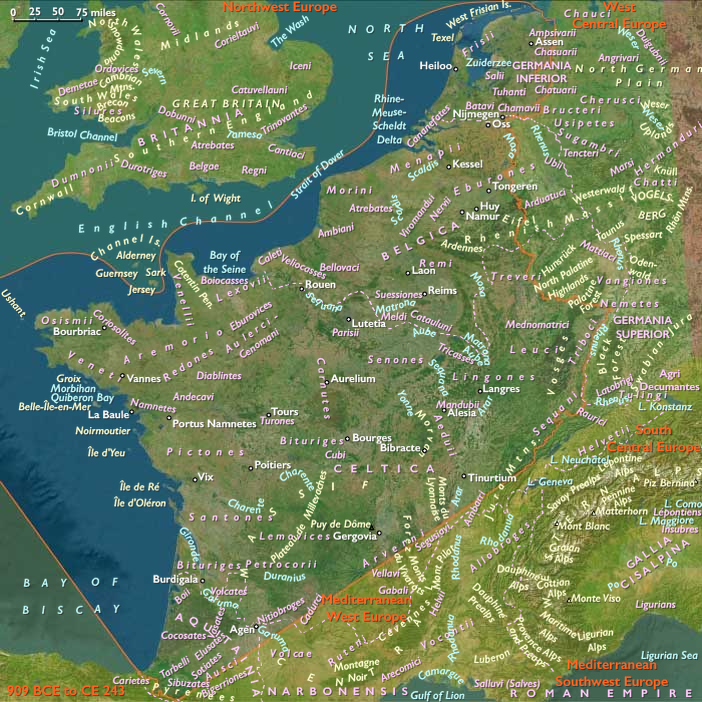
4. The Formalization of the Gallic Provinces
- Although Gallia had been conquered by Julius Caesar (58–50 BCE), Claudius reorganized the region into formal provinces, strengthening its administrative structure:
- Gallia Lugdunensis
- Gallia Belgica
- Gallia Aquitania
- These changes further Romanized Gaul, granting citizenship to local elites and promoting the growth of Roman cities and infrastructure.
Claudius’ Administrative and Urbanization Policies
- Claudius expanded Roman citizenship, granting legal rights to provincial elites, helping integrate them into the imperial system.
- He established new Roman colonies across the empire, reinforcing loyalty to Rome and fostering economic development.
- His policies ensured that the provinces were not merely conquered lands, but integrated parts of the Roman world, securing long-term stability and prosperity.
Legacy of Claudius’ Expansions
- By expanding Rome’s borders, Claudius solidified control over Western Europe, North Africa, and the Balkans.
- His emphasis on provincial urbanization helped spread Roman law, culture, and infrastructure across newly incorporated territories.
- The annexation of Britain, in particular, marked the beginning of nearly 400 years of Roman rule, shaping the island’s historical and cultural trajectory.
Claudius’ reign cemented Rome’s position as the dominant power of the ancient world, ensuring that its frontiers, administration, and economy remained strong for generations to come.
People
Groups
Topics
Subjects
Regions
Subregions
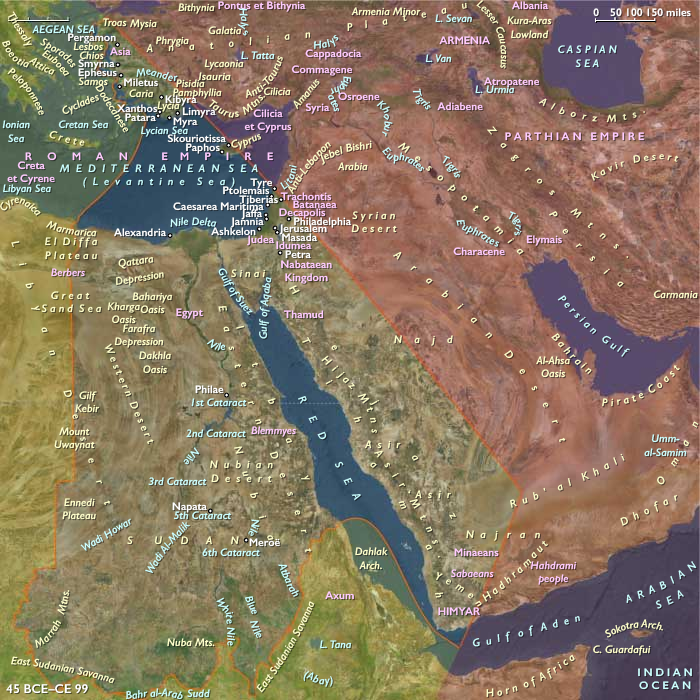
- Eastern Southeast Europe
- Middle East
- Near East
- Western Southeast Europe
- Mediterranean West Europe
- Mediterranean Southwest Europe
- North Africa
- Atlantic Southwest Europe
- Atlantic West Europe
- Northwest Europe
Years: 52 - 63
People
Groups
Topics
Subjects
Regions
Subregions
- Eastern Southeast Europe
- Middle East
- Near East
- Western Southeast Europe
- Mediterranean West Europe
- Mediterranean Southwest Europe
- North Africa
- Atlantic Southwest Europe
- Atlantic West Europe
- Northwest Europe