
Economic crisis had occurred after the Swedish …
Years: 1527 - 1527
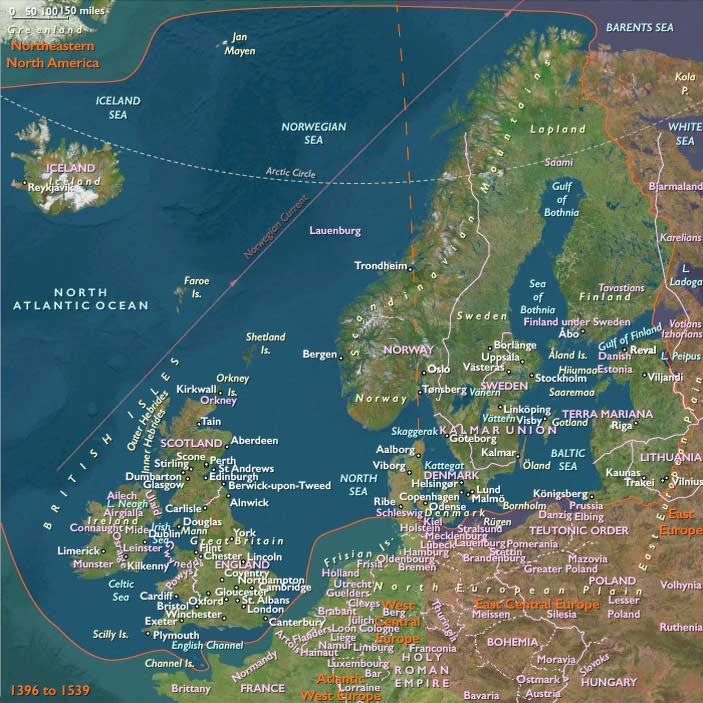
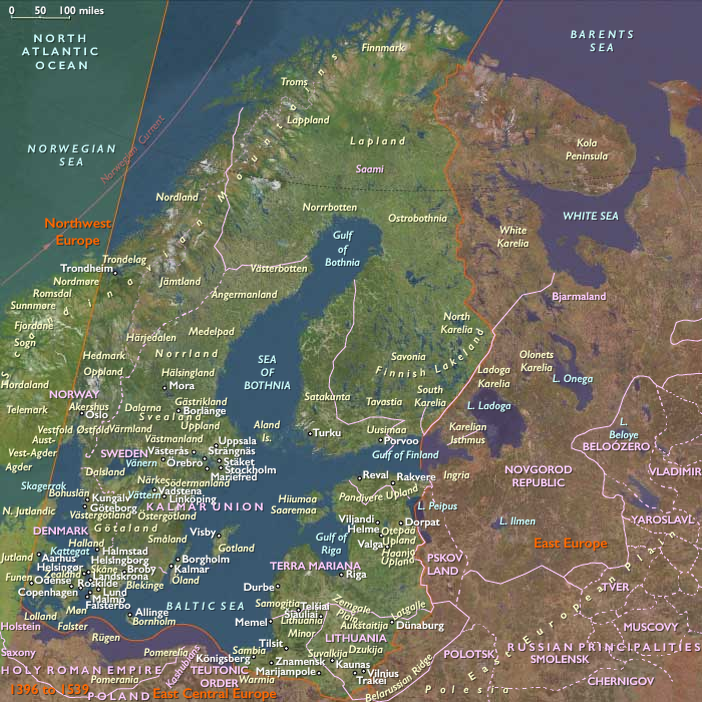
Economic crisis had occurred after the Swedish war of liberation because of the trade monopoly the king had granted the Hanseatic Lübeck in exchange for their support in recapturing the capital during the war.
The discontent had been used by two Catholic priests, former Bishop Peder Jakobsson of Västerås, a follower of Sten Sture the Younger, and Knut Mickelsson, who opposed the inclinations of Lutheranism which the king had displayed as early as 1524, who have stirred up the emotions against the king and for the Sture family in the province.
In the spring of 1525, the Dalecarlians had held a meeting and written a letter in which they complained of the foreign bailiffs and the imprisonment of Sten Sture's widow Christina Gyllenstierna, and stated that they would renounce their fealty unless their demands were met.
They had reportedly contacted Søren Norby, who had offered Christina marriage.
The had king managed to subdue the discontent by promising to meet their demands in May 1525, and the leaders fled to Norway.
Extradited in 1526, they are executed on the breaking wheel in February 1527.
The continuing discontent over the economic crisis, a new tax to Lübeck and the Swedish Reformation, which is launched in this year, sparks the second rebellion in Dalarna, centered around the so-called Daljunkern (The Youngster from Dalarna), who had came from Norway claiming to be Nils Stensson Sture, son of Sten Sture the Younger and Christina Gyllenstierna.
This results in a feud between the Dalecarlian parishes, which are divided between their loyalties toward the king and the Sture family.
The king callsrepresentatives of the rebels to negotiations in Uppsala in May 1527, and keeps ongoing contacts with them.
The Daljunkern leaves for Norway, but continues to support the rebels from there.
Locations
People
Groups
Topics
Commodoties
Subjects
Regions
Subregions
Years: 1527 - 1527
Locations
People
Groups
Topics
Commodoties
Subjects
Regions
Subregions