
Filters:
The Permanent Division …
Years: 388 - 531
People
Groups
- Semites
- Phoenicians
- Phoenice (Roman province)
- Roman Empire: Theodosian dynasty (Constantinople)
- Phoenice Lebanensis (Roman province)
- Phoenice (Roman province)
- Roman Empire, Western (Milan)
- Roman Empire, Western (Ravenna)
- Roman Empire, Eastern: Leonid dynasty
- Roman Empire, Eastern: Justinian dynasty
Subjects
Regions
- The Near and Middle East
- Southeast Europe
- Central Europe
- West Europe
- North Europe
- North Africa
- Southwest Europe
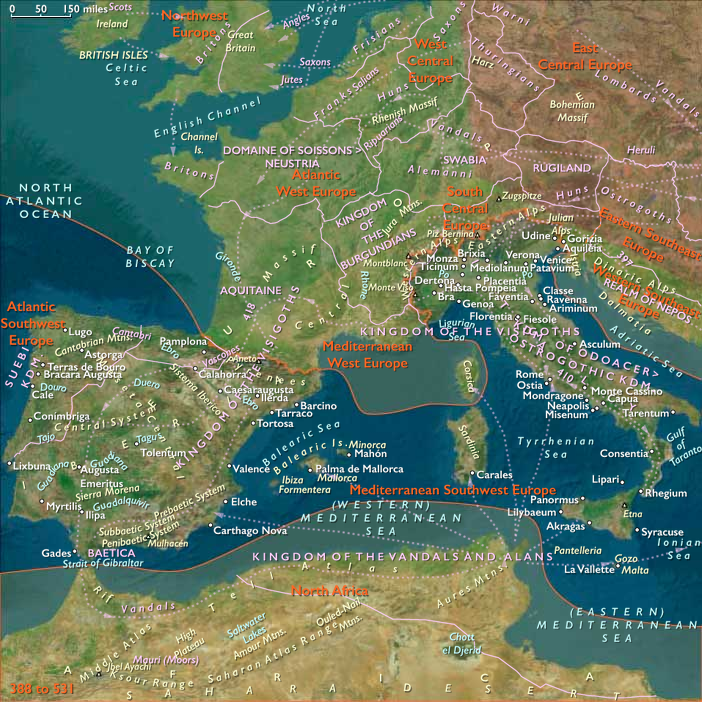
Subregions
- Eastern Southeast Europe
- Middle East
- Near East
- Western Southeast Europe
- South Central Europe
- Mediterranean West Europe
- Mediterranean Southwest Europe
- North Africa
- Atlantic Southwest Europe
- Atlantic West Europe
- West Central Europe
- Northwest Europe
Years: 388 - 531
People
Groups
- Semites
- Phoenicians
- Phoenice (Roman province)
- Roman Empire: Theodosian dynasty (Constantinople)
- Phoenice Lebanensis (Roman province)
- Phoenice (Roman province)
- Roman Empire, Western (Milan)
- Roman Empire, Western (Ravenna)
- Roman Empire, Eastern: Leonid dynasty
- Roman Empire, Eastern: Justinian dynasty
Subjects
Regions
- The Near and Middle East
- Southeast Europe
- Central Europe
- West Europe
- North Europe
- North Africa
- Southwest Europe
Subregions
- Eastern Southeast Europe
- Middle East
- Near East
- Western Southeast Europe
- South Central Europe
- Mediterranean West Europe
- Mediterranean Southwest Europe
- North Africa
- Atlantic Southwest Europe
- Atlantic West Europe
- West Central Europe
- Northwest Europe