
Eastern Southeast Europe (988–999 CE): Continued Bulgarian-Byzantine …
Years: 988 - 999
Eastern Southeast Europe (988–999 CE): Continued Bulgarian-Byzantine Conflict and Regional Shifts
Settlement and Migration Patterns
Ongoing Demographic Stability
Between 988 and 999 CE, Eastern Southeast Europe continued to experience demographic stability. Population distributions remained steady, despite the persistent military and political tensions resulting from ongoing Bulgarian-Byzantine hostilities.
Political and Military Developments
Intensified Bulgarian-Byzantine Conflicts
The Bulgarian-Byzantine War continued with increased intensity, marking the persistent efforts of Emperor Basil II to subdue the resilient Bulgarian state completely. Significant military engagements defined this era, as Byzantine forces steadily gained strategic advantages, setting the stage for Bulgaria’s eventual subjugation.
Basil II's Strategic Advances
Emperor Basil II solidified his position and intensified his military strategy against Bulgaria. His systematic campaigns were aimed at weakening Bulgarian military power, reclaiming lost territories, and reasserting Byzantine dominance over the Balkans.
Economic and Technological Developments
Persistent Economic Pressures
The ongoing military conflicts between the Bulgarian and Byzantine Empires continued to strain regional economies, particularly affecting trade routes and agricultural productivity. However, core economic activities, notably local crafts and trade in fortified towns, persisted resiliently amid warfare.
Strategic Fortification and Infrastructure
Continued investments in military fortifications, infrastructure enhancement, and logistical organization were critical during this period, particularly as the Byzantine Empire prepared for extended military campaigns in Bulgaria.
Cultural and Artistic Developments
Resilient Cultural Expression
Despite intense warfare, cultural and artistic activities maintained resilience. Artisans in regional centers continued their crafts, particularly ceramics, metalwork, and manuscript illumination, preserving the region’s vibrant cultural identity and heritage.
Scholarly and Literary Continuity
Educational institutions and scholarly communities in both Byzantine and Bulgarian territories maintained active intellectual traditions. Ongoing manuscript production preserved classical texts and theological writings, reinforcing cultural continuity despite military upheaval.
Social and Religious Developments
Continued Dominance of Orthodox Christianity
Orthodox Christianity maintained its central role as a stabilizing influence, significantly shaping societal cohesion and providing spiritual guidance during persistent regional conflict. Ecclesiastical institutions remained pivotal in maintaining social order.
Influence of Bogomilism
The Bogomil movement remained influential, especially among rural populations, fostering significant religious discussions and societal debates. This dualistic religious movement continued challenging established Orthodox practices and shaping regional religious life.
Long-Term Consequences and Historical Significance
The period from 988 to 999 CE marked a crucial phase in the prolonged Bulgarian-Byzantine conflict, characterized by Emperor Basil II’s determined military campaigns and Bulgaria’s increasingly defensive stance. The era set the stage for Bulgaria’s eventual submission and profoundly influenced the geopolitical and cultural trajectories of Eastern Southeast Europe in subsequent decades.
People
Groups
- Thrace, Theme of
- Christianity, Chalcedonian
- Greeks, Medieval (Byzantines)
- Bulgarian Empire (First)
- Bulgarians (South Slavs)
- Macedonia, East Roman Theme of
- Roman Empire, Eastern: Macedonian dynasty
- Bulgarian Orthodox Church
- Bogomilism
Topics
- Middle Subatlantic Period
- Renaissance, Macedonian
- Byzantine Revolts of 976-89
- Bulgarian-Byzantine War of 981-1018
- Gates of Trajan, Battle of the
Commodoties
Subjects
Regions
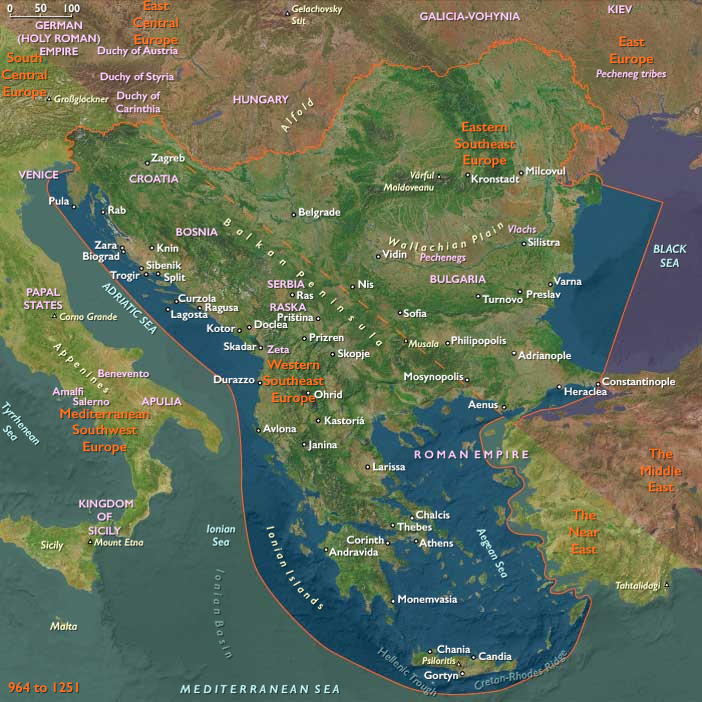
Subregions
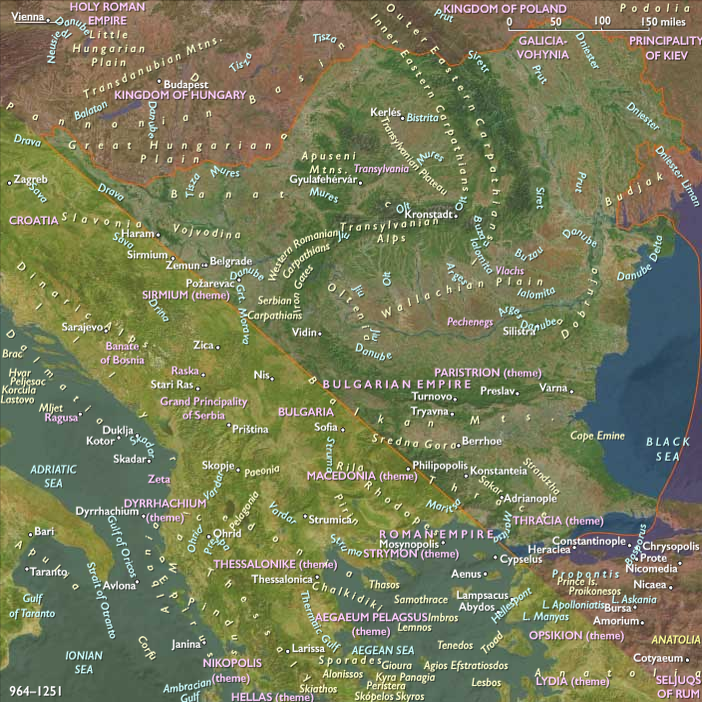
Years: 988 - 999
People
Groups
- Thrace, Theme of
- Christianity, Chalcedonian
- Greeks, Medieval (Byzantines)
- Bulgarian Empire (First)
- Bulgarians (South Slavs)
- Macedonia, East Roman Theme of
- Roman Empire, Eastern: Macedonian dynasty
- Bulgarian Orthodox Church
- Bogomilism
Topics
- Middle Subatlantic Period
- Renaissance, Macedonian
- Byzantine Revolts of 976-89
- Bulgarian-Byzantine War of 981-1018
- Gates of Trajan, Battle of the
Commodoties
Subjects
Regions
Subregions