
Eastern Southeast Europe (940–951 CE): Rus'-Byzantine Conflict …
Years: 940 - 951
Eastern Southeast Europe (940–951 CE): Rus'-Byzantine Conflict and Regional Tensions
Settlement and Migration Patterns
Continued Demographic Stability
Between 940 and 951 CE, Eastern Southeast Europe maintained demographic continuity, with stable settlements and ongoing cultural interactions among Bulgarians, Slavs, Greeks, and other regional populations.
Political and Military Developments
Rus'-Byzantine War of 941
The period was notably marked by the Rus'-Byzantine War of 941, occurring during the reign of Igor of Kiev. According to the Khazar Correspondence, this conflict was instigated by the Khazars in response to Emperor Romanus I Lecapanus's persecutions of Jewish populations. The Khazars sought revenge by prompting the Rus' to launch an assault on the Byzantine Empire, reflecting complex regional alliances and tensions.
Continued Bulgarian and Byzantine Rivalries
The political landscape continued to be shaped by ongoing rivalry and occasional tensions between the Bulgarian and Byzantine states. Although Bulgaria maintained its regional prominence, its power dynamics were continually influenced by external pressures and internal challenges.
Economic and Technological Developments
Sustained Economic Stability
Economic activities remained robust during this period, supported by stable agricultural productivity, trade networks, and ongoing regional craftsmanship, especially in centers such as Preslav. Trade connections, particularly involving Constantinople and Kievan Rus, continued to underpin economic resilience.
Military Fortifications and Defenses
Investments in military fortifications and defensive structures remained crucial for safeguarding regional security, particularly in response to threats such as the Rus' invasion. These efforts protected economic interests and maintained territorial integrity.
Cultural and Artistic Developments
Continued Cultural Flourishing
The region sustained its vibrant artistic and cultural expression, notably in ceramics, glass, metalwork, and tile artistry. These crafts continued to define Bulgaria's cultural identity and were widely exported, reinforcing regional influence.
Scholarly Continuity and Literary Production
Educational institutions and scriptoria persisted in their vital roles, ensuring continued manuscript production and the preservation of classical and theological knowledge. This scholarly continuity significantly supported cultural resilience and intellectual development.
Social and Religious Developments
Influence of Religious Movements
The spread of Paulician and Bogomil doctrines continued, significantly influencing rural populations and contributing to broader religious and social dynamics. These movements further shaped regional religious thought and practice, fostering ongoing discussions about reform and spirituality.
Dominance and Stability of Orthodox Christianity
Despite emerging religious movements, Eastern Orthodox Christianity remained the dominant and stabilizing religious institution, significantly impacting societal structures, cultural cohesion, and regional identity.
Long-Term Consequences and Historical Significance
The period from 940 to 951 CE was defined by significant geopolitical conflicts, notably the Rus'-Byzantine War instigated by Khazar intrigues, and continued regional tensions between Bulgaria and Byzantium. These developments had enduring impacts, shaping the region’s military strategies, diplomatic relationships, and cultural landscape, thereby influencing Eastern Southeast Europe's historical trajectory.
People
Groups
- Jews
- Thrace, Theme of
- Christianity, Chalcedonian
- Greeks, Medieval (Byzantines)
- Paulicians
- Bulgarian Empire (First)
- Bulgarians (South Slavs)
- Serbian Principality
- Macedonia, East Roman Theme of
- Khazar Khaganate
- Roman Empire, Eastern: Macedonian dynasty
- Bulgarian Orthodox Church
- Kievan Rus', or Kiev, Great Principality of
- Bogomilism
Topics
Commodoties
Subjects
Regions
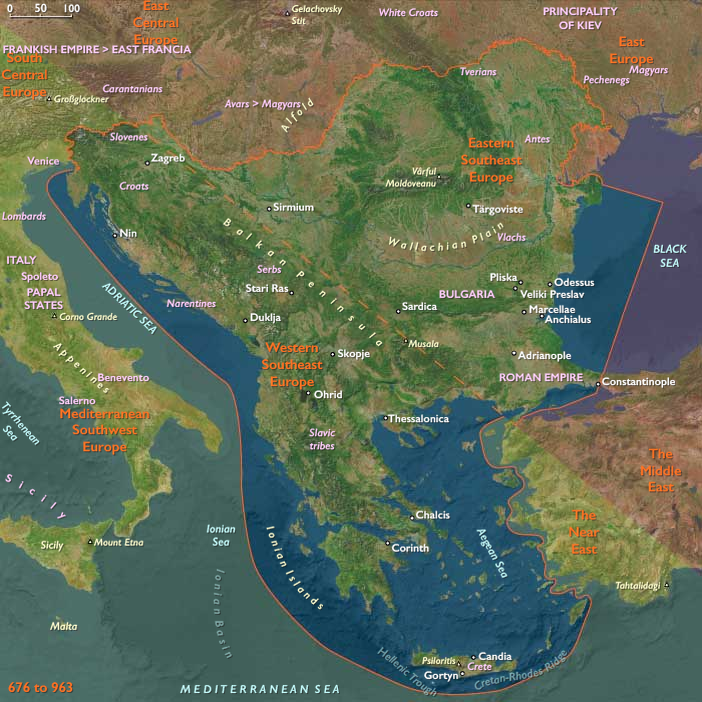
Subregions
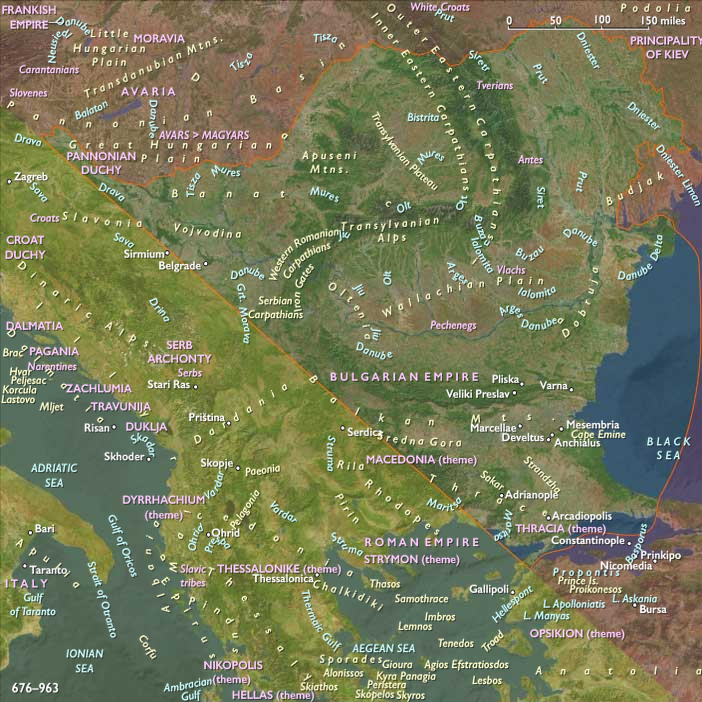
Related Events
Showing 10 events out of 53052 total
Years: 940 - 951
People
Groups
- Jews
- Thrace, Theme of
- Christianity, Chalcedonian
- Greeks, Medieval (Byzantines)
- Paulicians
- Bulgarian Empire (First)
- Bulgarians (South Slavs)
- Serbian Principality
- Macedonia, East Roman Theme of
- Khazar Khaganate
- Roman Empire, Eastern: Macedonian dynasty
- Bulgarian Orthodox Church
- Kievan Rus', or Kiev, Great Principality of
- Bogomilism
Topics
Commodoties
Subjects
Regions
Subregions