
Eastern Southeast Europe (844–855 CE): Cultural Revival …
Years: 844 - 855
Eastern Southeast Europe (844–855 CE): Cultural Revival and Scholarly Advances
Settlement and Migration Patterns
Continued Stability and Cultural Integration
From 844 to 855 CE, Eastern Southeast Europe maintained demographic stability, with settlements continuing to consolidate. Cultural integration among diverse communities persisted, reflecting regional resilience amid broader political developments.
Political and Military Developments
Continued Regional Stability
The Byzantine Empire maintained a period of relative military stability, sustaining the gains achieved through earlier campaigns against Arab and Slavic threats. This stability enabled increased focus on internal developments and cultural projects.
Economic and Technological Developments
Sustained Economic Prosperity
Economic conditions remained stable, with fortified trade routes and infrastructure continuing to support regional commerce and productivity. This ongoing economic resilience facilitated further cultural and scholarly endeavors.
Ongoing Defensive Enhancements
Military fortifications continued to be maintained and improved, ensuring regional security and the protection of economic and cultural interests throughout the Byzantine-controlled territories.
Cultural and Artistic Developments
Byzantine Cultural Revival
The period was marked by notable advances in classical studies under the Byzantine cultural revival. Significant developments included the gradual substitution of the minuscule, or smaller cursive handwriting, for the traditional uncial script, as well as an increase in the number of scriptoria—copyists' workshops—which supported scholarly and literary production.
Flourishing of Intellectual and Artistic Life
Artistic and scholarly activities flourished, driven by the enhanced capabilities of these scriptoria. This growth significantly contributed to the preservation and dissemination of classical and theological knowledge, reinforcing cultural continuity and resilience.
Social and Religious Developments
Ongoing Influence of Icon Restoration
The restoration of icon veneration continued to profoundly influence social and religious practices. This period further solidified the role of Eastern Orthodox institutions, contributing to regional cohesion and cultural identity.
Strengthened Community Cohesion
The cultural revival, including scholarly and literary advancements, supported greater community cohesion. Religious institutions remained central to societal stability, reinforcing regional identity and spiritual unity.
Long-Term Consequences and Historical Significance
The period from 844 to 855 CE saw significant cultural and scholarly advancements, exemplified by developments in manuscript production and classical studies. These scholarly contributions enriched Byzantine cultural heritage and reinforced the region’s intellectual resilience, leaving enduring impacts on Eastern Southeast Europe’s historical trajectory.
People
Groups
Topics
Commodoties
Subjects
Regions
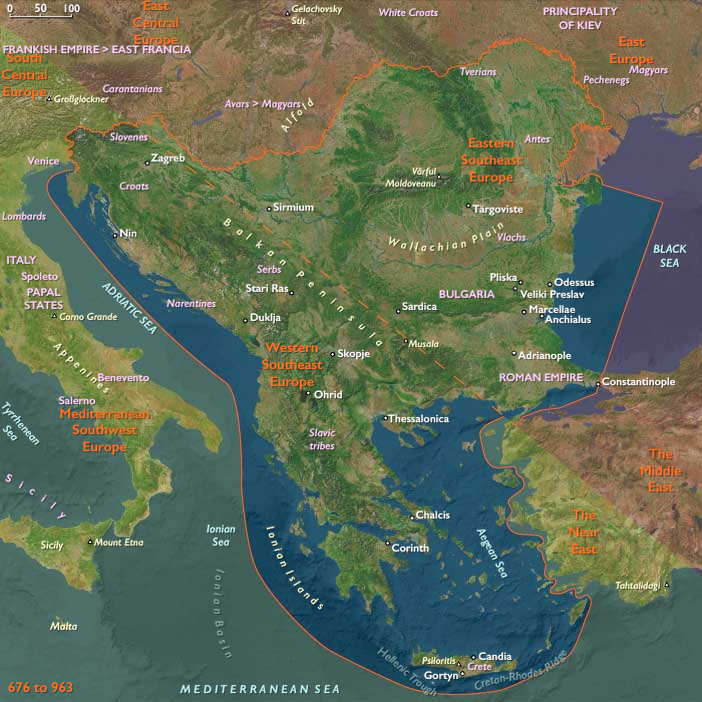
Subregions
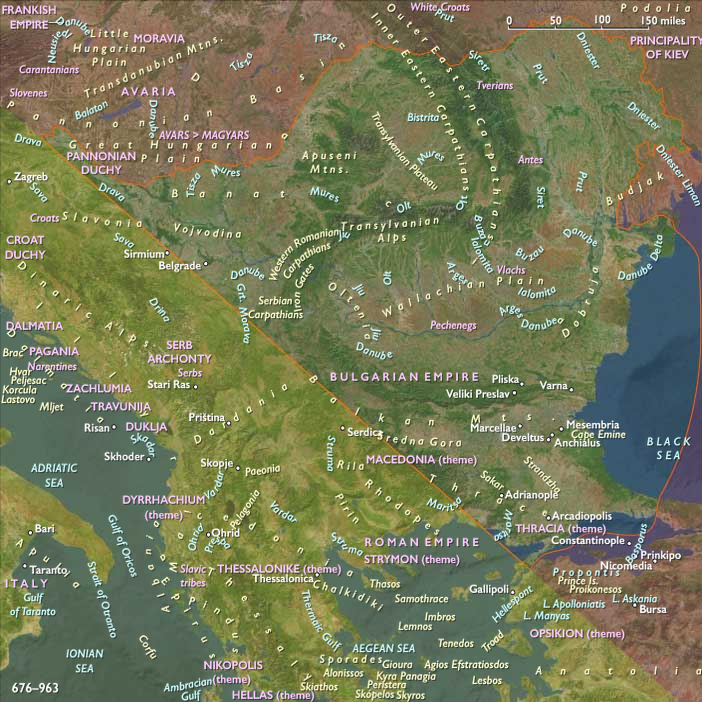
Years: 844 - 855
People
Groups
Topics
Commodoties
Subjects
Regions
Subregions