
Eastern Southeast Europe (772–783 CE): Imperial Consolidation …
Years: 772 - 783
Eastern Southeast Europe (772–783 CE): Imperial Consolidation and Cultural Legacy
Settlement and Migration Patterns
Continued Stability and Consolidation
From 772 to 783 CE, Eastern Southeast Europe experienced continued stability and demographic consolidation. The region benefited from maintained peace and the strengthened settlement of diverse communities, enhancing regional cohesion and security.
Political and Military Developments
Emperor Constantine V’s Consolidation of Power
Emperor Constantine V achieved considerable success in consolidating imperial authority, largely due to his military accomplishments. Despite his harsh persecution of monks who opposed his iconoclastic policies, his popularity among the broader population remained notably high, demonstrating his effective governance and military prowess.
Legacy and Cultural Impact
Constantine V's military successes significantly reinforced imperial security and strengthened Constantinople’s defenses. His lasting popularity became legendary, with future generations seeking spiritual aid at his tomb during times of crisis, reflecting his enduring impact on Byzantine cultural memory and identity.
Economic and Technological Developments
Economic Prosperity
The continued peace and effective imperial administration promoted sustained economic prosperity, supporting growth in trade and agricultural productivity. Secure trade routes further enhanced regional economic resilience and stability.
Advancements in Defense Infrastructure
Strategic investments in defensive infrastructure, especially in Constantinople and frontier regions, remained a priority. These enhancements ensured the empire’s preparedness against potential threats and further solidified imperial stability.
Cultural and Artistic Developments
Flourishing Cultural Activities
Cultural and artistic endeavors thrived, benefiting from the stability and imperial support of Constantine V’s reign. The era witnessed continued investment in religious and cultural institutions, significantly enriching regional artistic expression and identity.
Intellectual and Educational Resilience
Educational institutions and scholarly communities continued actively preserving and developing classical and theological knowledge. The peaceful conditions facilitated intellectual growth, reinforcing cultural resilience and continuity.
Social and Religious Developments
Dominance of Eastern Orthodoxy
Eastern Orthodox Christianity continued strengthening its influence in societal structures, providing spiritual guidance and reinforcing communal cohesion despite ongoing religious controversies. The religious institutions’ central role contributed significantly to regional stability.
Continued Iconoclast Controversy
Despite Constantine V’s broad popularity, his iconoclast stance persisted as a source of significant religious and social tension. The persecution of monks and the ongoing theological debate shaped social dynamics and religious discourse profoundly during this period.
Long-Term Consequences and Historical Significance
The period from 772 to 783 CE was marked by Emperor Constantine V’s robust consolidation of power, military success, and complex religious legacy. His reign’s impact on imperial stability, cultural identity, and religious tensions profoundly influenced Eastern Southeast Europe's historical trajectory and enduring cultural memory.
People
Groups
- Thrace, Theme of
- Bulgars
- Christianity, Chalcedonian
- Thracesian Theme
- Bulgarian Empire (First)
- Bulgarians (South Slavs)
- Roman Empire, Eastern: Isaurian dynasty
Topics
- Migration Period
- Migration Period Pessimum
- Arab-Byzantine Wars
- Iconoclastic period, first
- Akroinon, Battle of
Commodoties
Subjects
Regions
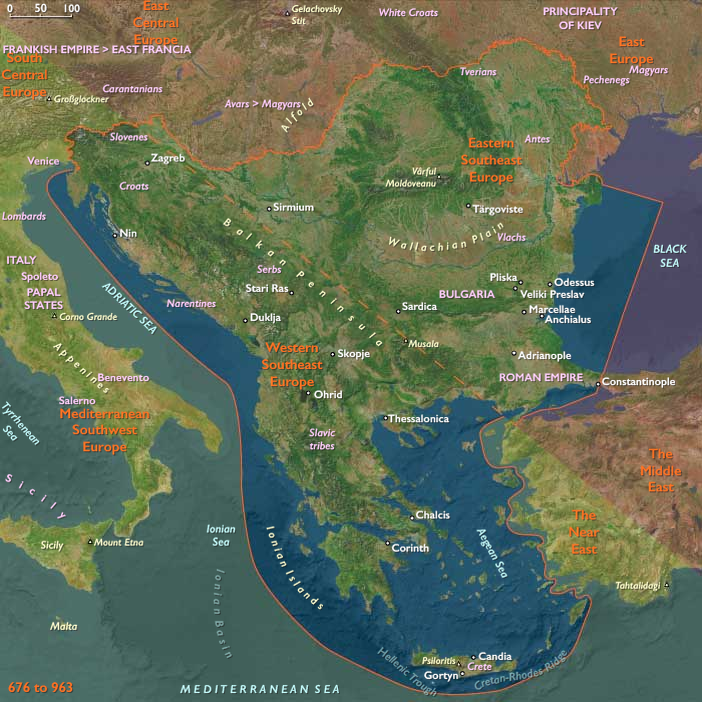
Subregions
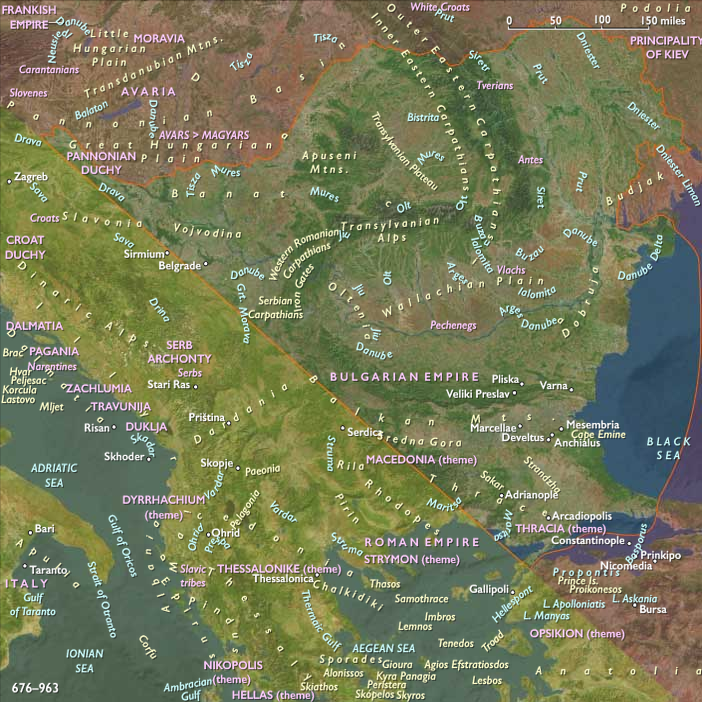
Related Events
Showing 10 events out of 55098 total
Years: 772 - 783
People
Groups
- Thrace, Theme of
- Bulgars
- Christianity, Chalcedonian
- Thracesian Theme
- Bulgarian Empire (First)
- Bulgarians (South Slavs)
- Roman Empire, Eastern: Isaurian dynasty
Topics
- Migration Period
- Migration Period Pessimum
- Arab-Byzantine Wars
- Iconoclastic period, first
- Akroinon, Battle of
Commodoties
Subjects
Regions
Subregions