
Eastern Southeast Europe (760–771 CE): Emergence of …
Years: 760 - 771
Eastern Southeast Europe (760–771 CE): Emergence of the Serbian Principality
Settlement and Migration Patterns
Establishment of the Serbian Principality
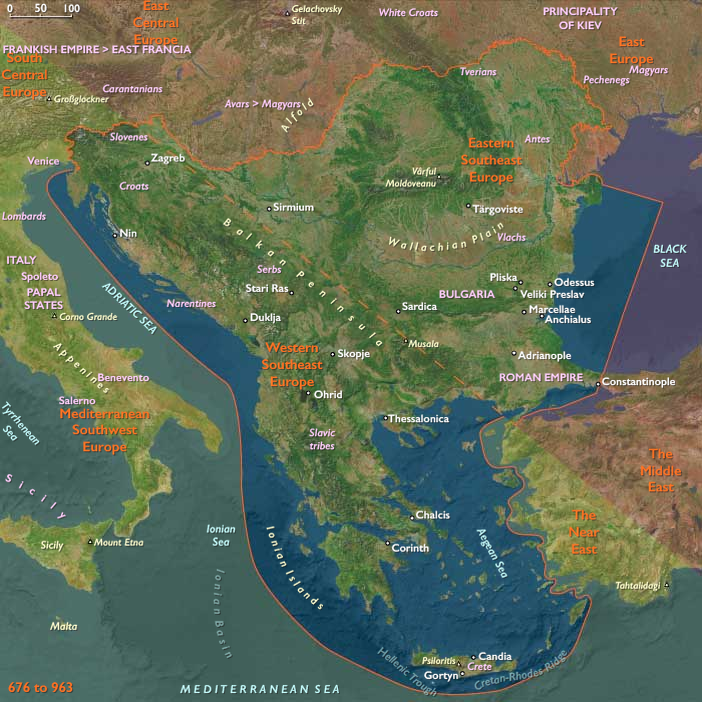
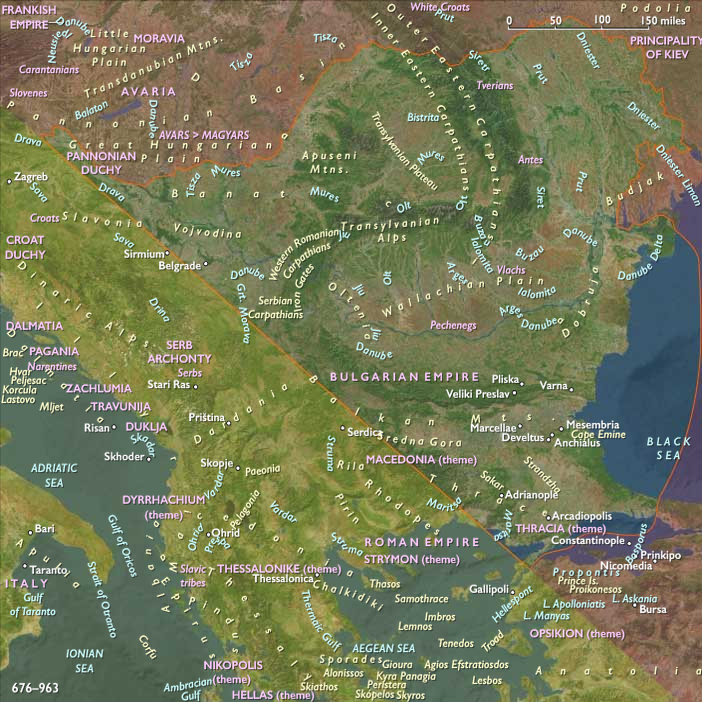
Around 768 CE, the Serbs established a principality in the northeastern region of modern Serbia, within Eastern Southeast Europe. This political formation marked the beginning of Serbia's increasing influence and strategic significance in regional politics, laying foundational elements for its subsequent historical role.
Stability Amid Bulgarian Turmoil
Between 760 and 771 CE, Eastern Southeast Europe maintained demographic stability despite political disruptions within the neighboring Bulgarian state. Regional populations, including previously relocated communities, continued consolidating their presence and reinforcing territorial security.
Political and Military Developments
Serbian Political Consolidation
The newly established Serbian principality gradually gained regional prominence, becoming an important political and military actor that would play a critical role in later regional dynamics, particularly in interactions with the Byzantine and Bulgarian empires.
Bulgarian Political Instability
Bulgarian power significantly faltered during this era, characterized by the assassination of one khan, swiftly followed by another, and the rapid, successive elections of two more khans. This political instability within Bulgaria led directly to a period of peace lasting five years between Bulgaria and the Byzantine Empire.
Imperial Advantage
The turmoil in Bulgaria provided the Byzantine Empire an opportunity to consolidate its territorial and military gains without immediate threats from the north. This period of peace enabled further strengthening of defensive and administrative systems within the empire.
Economic and Technological Developments
Economic Consolidation
Economic conditions continued to benefit from prolonged peace and stability, fostering growth in trade and agricultural productivity. The absence of Bulgarian military threats further secured economic routes and resource allocations.
Continued Defensive Enhancements
Defensive infrastructure and fortifications, particularly along critical frontier regions, were maintained and improved. These strategic preparations reinforced regional security during this peaceful interval.
Cultural and Artistic Developments
Sustained Cultural Flourishing
Cultural and artistic activities thrived due to the stability afforded by the temporary cessation of northern military threats. This allowed further investments in religious and cultural institutions, enhancing regional identity and artistic expression.
Intellectual Resilience
Educational and scholarly institutions continued to preserve classical and theological knowledge, ensuring cultural and intellectual continuity. This period of relative peace enabled scholarly communities to expand their activities further.
Social and Religious Developments
Strengthening of Eastern Orthodox Identity
Eastern Orthodoxy's role within society remained robust, continuously shaping communal cohesion and cultural identity. Religious institutions continued to support societal stability, especially during this brief respite from external pressures.
Persistent Iconoclast Debate
The ongoing Iconoclast controversy continued to shape social and religious discourse. Despite political and military stability, theological tensions persisted, influencing interactions within religious communities and the broader society.
Long-Term Consequences and Historical Significance
The period from 760 to 771 CE was marked by significant political instability within Bulgaria, providing a valuable strategic respite for the Byzantine Empire and witnessing the establishment of the Serbian principality. These developments significantly influenced regional political dynamics, laying important foundations for future historical trajectories in Eastern Southeast Europe.
Groups
- Thrace, Theme of
- Bulgars
- Christianity, Chalcedonian
- Bulgarians (South Slavs)
- Bulgarian Empire (First)
- Roman Empire, Eastern: Isaurian dynasty
- Serbian Principality
Topics
- Migration Period
- Migration Period Pessimum
- Arab-Byzantine Wars
- Iconoclastic period, first
- Akroinon, Battle of
Commodoties
Subjects
Regions
Subregions
Related Events
Showing 1 events out of 1 total
Years: 760 - 771
Groups
- Thrace, Theme of
- Bulgars
- Christianity, Chalcedonian
- Bulgarians (South Slavs)
- Bulgarian Empire (First)
- Roman Empire, Eastern: Isaurian dynasty
- Serbian Principality
Topics
- Migration Period
- Migration Period Pessimum
- Arab-Byzantine Wars
- Iconoclastic period, first
- Akroinon, Battle of
Commodoties
Subjects
Regions
Subregions