
Eastern Southeast Europe (700–711 CE): Defensive Struggles …
Years: 700 - 711
Eastern Southeast Europe (700–711 CE): Defensive Struggles and Diplomatic Realignments
Settlement and Migration Patterns
Stability Under Continued Pressure
Between 700 and 711 CE, Eastern Southeast Europe maintained relative demographic stability despite ongoing military and political pressures. Settlements within the Bulgarian state continued to consolidate, furthering the integration of Slavic and Bulgar populations.
Political and Military Developments
Persistent Arab-Byzantine Conflicts
The East Roman Empire remained embroiled in nearly constant warfare against Muslim Arab forces on multiple fronts from 698 to 718. The defeat at the Battle of Sebastopolis in 692 and ensuing internal instability led to the gradual loss of critical regions, including Armenia and Cilicia. Carthage fell permanently to Arab forces by 698, marking the definitive end of Roman rule in North Africa.
Diplomatic Achievements
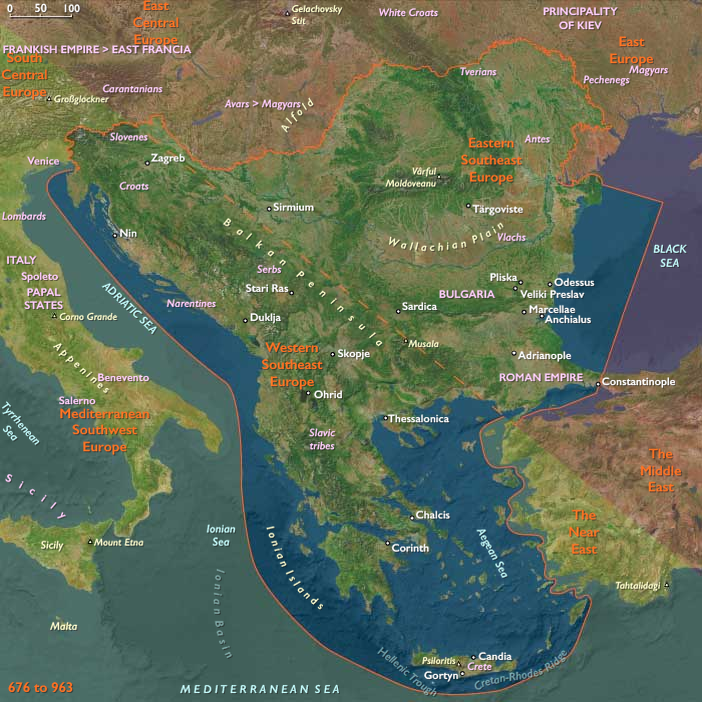
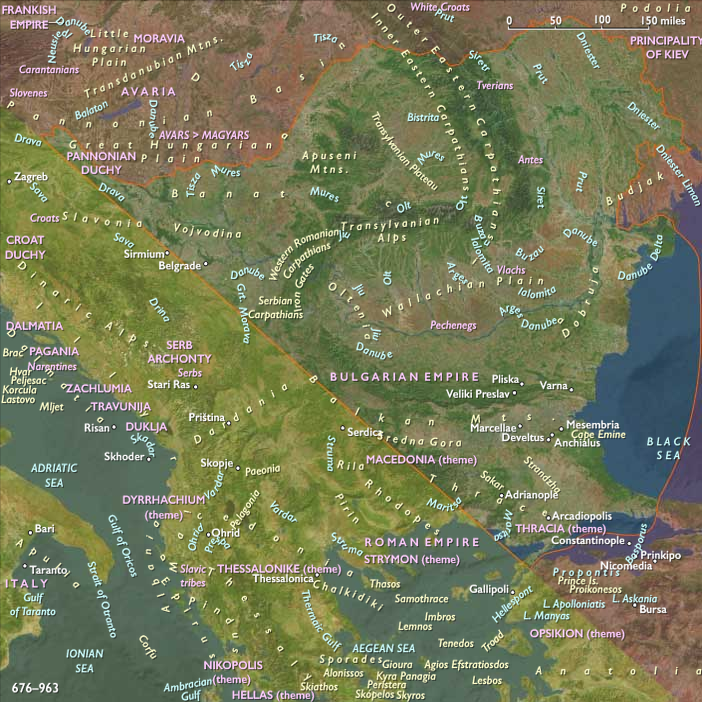
Diplomatic relations significantly improved between Constantinople, the Khazar Khanate, and the Danubian Bulgar Khanate, exemplified by Bulgar Khan Tervel becoming the first foreigner to receive the title of Caesar, second only to the Byzantine emperor. This diplomatic realignment substantially reinforced regional alliances.
Economic and Technological Developments
Economic Adaptation Amid Warfare
Despite persistent military conflict and territorial losses, economic resilience persisted through adaptation and refocusing of resources. The defense and fortification of Anatolia and the Balkans continued, maintaining regional stability and facilitating trade.
Military Innovations and Fortifications
Ongoing advancements in defensive technologies, including fortifications and naval tactics, remained crucial for protecting remaining imperial territories from persistent Arab raids. These improvements secured the empire's remaining territorial core, particularly Anatolia.
Cultural and Artistic Developments
Liturgical and Artistic Innovations
Cultural and religious practices evolved significantly, highlighted by the transition from “kontakia” hymns to the “kanon” form around 700. Andrew of Crete emerged as a prominent figure in this new liturgical tradition, reflecting evolving religious and cultural expressions.
Intellectual and Scholarly Continuity
Scholarly and educational institutions persisted in their critical roles of preserving and developing classical, theological, and philosophical traditions, ensuring cultural resilience and continuity despite ongoing turmoil.
Social and Religious Developments
East-West Ecclesiastical Reconciliation
A rare moment of rapprochement occurred between the papacy and the Eastern Church, culminating in Pope Constantine’s historic visit to Constantinople. This event temporarily restored unity between the Latin-rite Western and Greek-rite Eastern Christian traditions, highlighting ongoing, if fragile, inter-church relationships.
Continued Strength of Eastern Orthodoxy
Eastern Orthodox Christianity further entrenched itself as the region's spiritual and social backbone, influencing societal norms and reinforcing regional identity amidst continuing political and military pressures.
Long-Term Consequences and Historical Significance
The era from 700 to 711 CE witnessed critical military challenges, significant territorial losses, and noteworthy diplomatic and religious developments. These elements substantially influenced Eastern Southeast Europe's geopolitical landscape, reinforcing the region's cultural identity and shaping the complex dynamics between Eastern and Western Christian traditions.
People
Groups
- Arab people
- Thrace, Theme of
- Bulgars
- Slavs, South
- Christianity, Chalcedonian
- Avar Khaganate (Eurasian Avars)
- Islam
- Thracesian Theme
- Khazar Khaganate
- Umayyad Caliphate (Damascus)
- Bulgarian Empire (First)
- Bulgarians (South Slavs)
- Roman Empire, Eastern: Non-dynastic
Topics
Commodoties
Subjects
Regions
Subregions
Years: 700 - 711
People
Groups
- Arab people
- Thrace, Theme of
- Bulgars
- Slavs, South
- Christianity, Chalcedonian
- Avar Khaganate (Eurasian Avars)
- Islam
- Thracesian Theme
- Khazar Khaganate
- Umayyad Caliphate (Damascus)
- Bulgarian Empire (First)
- Bulgarians (South Slavs)
- Roman Empire, Eastern: Non-dynastic
Topics
Commodoties
Subjects
Regions
Subregions