
Eastern Southeast Europe (688–699 CE): Ecclesiastical Divergence …
Years: 688 - 699
Eastern Southeast Europe (688–699 CE): Ecclesiastical Divergence and Imperial Challenges
Settlement and Migration Patterns
Stability Amidst External Pressures
Between 688 and 699 CE, settlements in Eastern Southeast Europe maintained relative stability, despite ongoing external pressures. Populations continued consolidating, especially within the newly established Bulgarian state, further solidifying Slavic-Bulgar integration and cultural cohesion.
Political and Military Developments
Loss of African Territories
The East Roman Empire faced significant territorial setbacks, losing control of North Africa to the Muslim Arabs and their newly converted Berber allies. This loss critically weakened Byzantine strategic positions in the Mediterranean and underscored the vulnerabilities stemming from ineffective leadership.
Retention of Anatolia
Despite significant challenges and territorial losses, the empire successfully retained control over Anatolia. Maintaining this critical territory was vital for Byzantine strategic and economic interests, securing a geographical core of imperial power.
Economic and Technological Developments
Economic Strain and Adaptation
The loss of African territories placed considerable economic strain on the Byzantine Empire, impacting trade networks and resource distribution. Nevertheless, the empire adapted by refocusing economic activities and defenses around retained territories, notably Anatolia and the Balkans.
Continued Military Innovation
Continued advancements in military infrastructure and defensive capabilities remained crucial. Improvements in fortifications, logistics, and naval strategies helped preserve critical regions against further incursions.
Cultural and Artistic Developments
Cultural Resilience and Exchange
Cultural production continued to thrive, reflecting resilience amidst political and military challenges. Byzantine, Slavic, and Bulgar cultural interactions fostered artistic and architectural advancements, enriching regional cultural identity.
Intellectual Preservation
Educational and scholarly institutions persisted in safeguarding classical, theological, and philosophical knowledge. These efforts maintained intellectual continuity despite political and military turmoil.
Social and Religious Developments
Ecclesiastical Divergence
A critical religious event occurred with Christendom’s Quinisext Council, held without representation from the Western Church and the Pope. The council established significant institutional differences between the Eastern and Western churches, notably rejecting clerical celibacy in the East. This event further deepened the theological and institutional divergence that would eventually lead to the Great Schism.
Strengthening of Eastern Orthodoxy
Eastern Orthodox Christianity solidified its central role in Eastern Southeast European society, influencing community cohesion, social norms, and regional identity. The ecclesiastical distinctions from the Western church reinforced Eastern Orthodoxy's unique spiritual and cultural characteristics.
Long-Term Consequences and Historical Significance
The period from 688 to 699 CE was marked by significant territorial and ecclesiastical developments, notably the loss of African territories to Muslim forces and critical religious divergences established by the Quinisext Council. These events profoundly impacted Byzantine imperial power, economic stability, and religious structures, laying critical foundations for the subsequent historical trajectories of Eastern and Western Christian traditions.
Groups
- Arab people
- Thrace, Theme of
- Bulgars
- Slavs, South
- Christianity, Chalcedonian
- Avar Khaganate (Eurasian Avars)
- Islam
- Thracesian Theme
- Umayyad Caliphate (Damascus)
- Bulgarian Empire (First)
- Bulgarians (South Slavs)
- Roman Empire, Eastern: Non-dynastic
Topics
Commodoties
Subjects
Regions
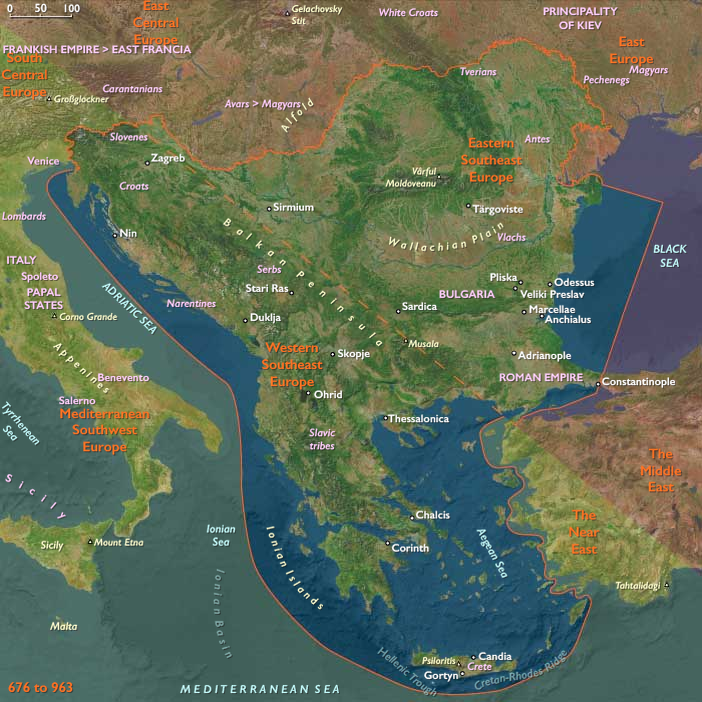
Subregions
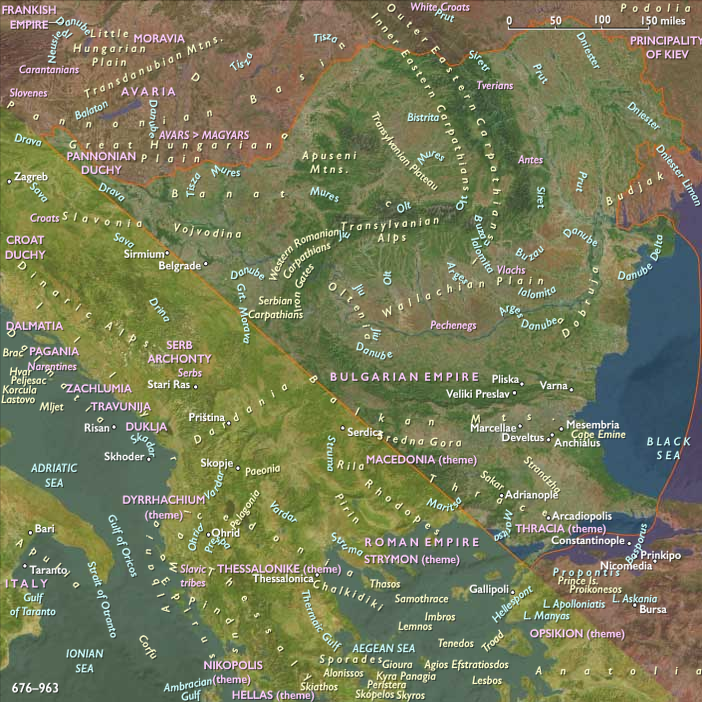
Years: 688 - 699
Groups
- Arab people
- Thrace, Theme of
- Bulgars
- Slavs, South
- Christianity, Chalcedonian
- Avar Khaganate (Eurasian Avars)
- Islam
- Thracesian Theme
- Umayyad Caliphate (Damascus)
- Bulgarian Empire (First)
- Bulgarians (South Slavs)
- Roman Empire, Eastern: Non-dynastic
Topics
Commodoties
Subjects
Regions
Subregions