
Eastern Southeast Europe (664–675 CE): Consolidation, Strategic …
Years: 664 - 675
Eastern Southeast Europe (664–675 CE): Consolidation, Strategic Growth, and Critical Innovations
Settlement and Migration Patterns
Demographic Consolidation and the Arrival of the Bulgars
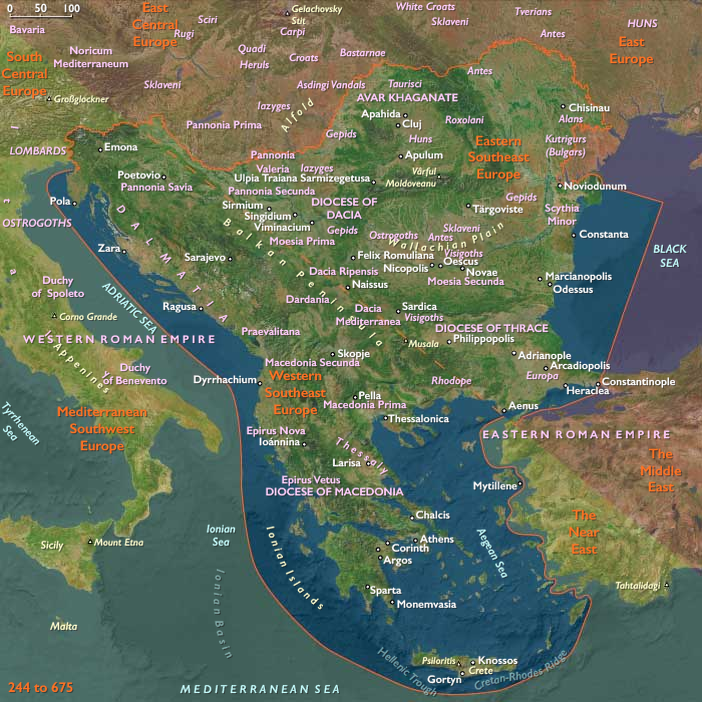
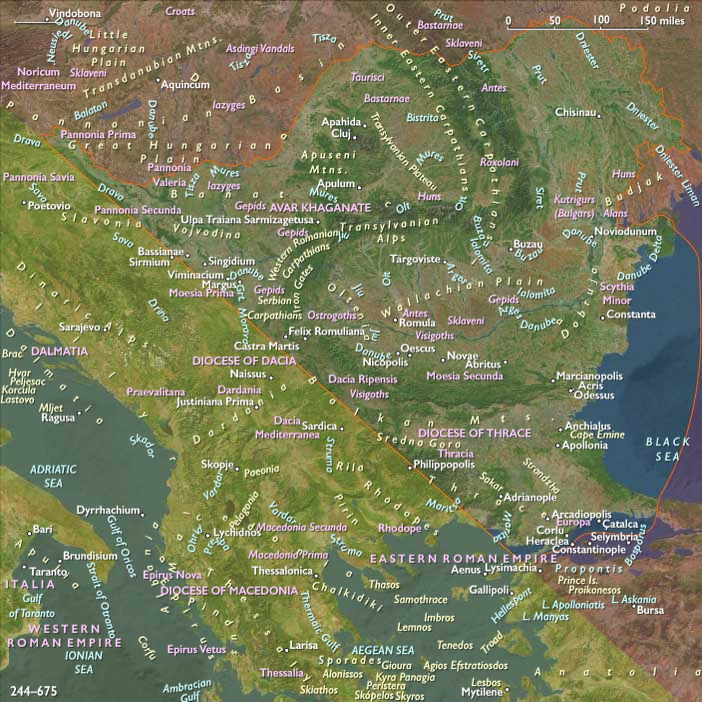
From 664 to 675 CE, Eastern Southeast Europe experienced demographic consolidation following earlier migratory movements. A significant event was the arrival and settlement of the Bulgars under Khan Asparukh, who crossed the Danube and established themselves in the region, laying the foundations for the First Bulgarian Empire. The Bulgars integrated and displaced local Slavic populations, significantly altering regional demographics and politics.
Urban Development and Fortification
Urban centers such as Constantinople, Philippopolis, Adrianople, and Serdica continued significant enhancements in defensive structures and urban planning. These strategic developments provided security, enabling stable urban populations and growth, even amidst external threats from migrating peoples and military incursions.
Political and Military Developments
Leadership Changes and Military Campaigns
In 668 CE, Constantine IV ascended to sole rulership following the assassination of his father, Constans II. His reign was immediately challenged by military campaigns from Arab forces under Muawiyah I. Arab forces captured key regional cities like Amorion and Cyzicus and launched repeated sieges against Constantinople between 674 and 675 CE.
The Crucial Role of Greek Fire
The Arab naval sieges of Constantinople in 674 and 675 CE were dramatically repelled by the defenders' effective use of Greek fire, a revolutionary incendiary weapon invented by Kallinikos of Heliopolis around 665–670 CE. This petroleum-based compound, which ignited upon contact with water and could only be extinguished with sand, significantly altered military defenses and tactics.
Economic and Technological Developments
Sustained Economic Stability
The regional economy maintained consistent growth, bolstered by reliable agricultural output and dynamic trade networks. Constantinople's continued role as a major economic hub was essential in supporting broader regional economic resilience.
Technological Innovations
Technological progress, notably the invention of Greek fire, emphasized advancements in military fortifications and defensive capabilities. These innovations enhanced regional security, ensuring economic continuity and social cohesion.
Cultural and Artistic Developments
Flourishing Cultural Activities
Cultural and artistic endeavors thrived, reflecting the integration of classical traditions and Christian symbolism. Artistic production continued vigorously, strengthening community identity and cultural continuity.
Intellectual Resilience
Educational institutions and scholarly communities actively preserved and promoted classical and theological knowledge. Intellectual vitality persisted, adapting effectively to contemporary societal and political contexts.
Social and Religious Developments
Efficient and Adaptive Governance
Administrative systems demonstrated ongoing efficiency and adaptability, effectively managing resources, civic responsibilities, and regional defense. Strong provincial governance significantly contributed to regional stability and growth.
Expanding Christian Societal Role
Christianity continued expanding its profound influence, shaping the region's social, cultural, and political dynamics. The ongoing growth of religious institutions played a crucial role in community cohesion and societal stability.
Long-Term Consequences and Historical Significance
The period from 664 to 675 CE was characterized by significant demographic consolidation, strategic political shifts, robust urban fortifications, revolutionary military innovations, sustained economic resilience, and vibrant cultural and intellectual activity. These critical developments effectively reinforced Eastern Southeast Europe's regional stability, significantly influencing its future historical trajectory.
People
Groups
- Arab people
- Thrace, Theme of
- Bulgars
- Slavs, South
- Christianity, Chalcedonian
- Avar Khaganate (Eurasian Avars)
- Roman Empire, Eastern: Heraclian dynasty
- Thracesian Theme
- Umayyad Caliphate (Damascus)
Topics
Commodoties
Subjects
Regions
Subregions
Related Events
Showing 10 events out of 11 total
Years: 664 - 675
People
Groups
- Arab people
- Thrace, Theme of
- Bulgars
- Slavs, South
- Christianity, Chalcedonian
- Avar Khaganate (Eurasian Avars)
- Roman Empire, Eastern: Heraclian dynasty
- Thracesian Theme
- Umayyad Caliphate (Damascus)
Topics
Commodoties
Subjects
Regions
Subregions