
Eastern Southeast Europe (652–663 CE): Political Tensions …
Years: 652 - 663
Eastern Southeast Europe (652–663 CE): Political Tensions and Administrative Reforms
Settlement and Migration Patterns
Demographic Stability and Urban Adaptations
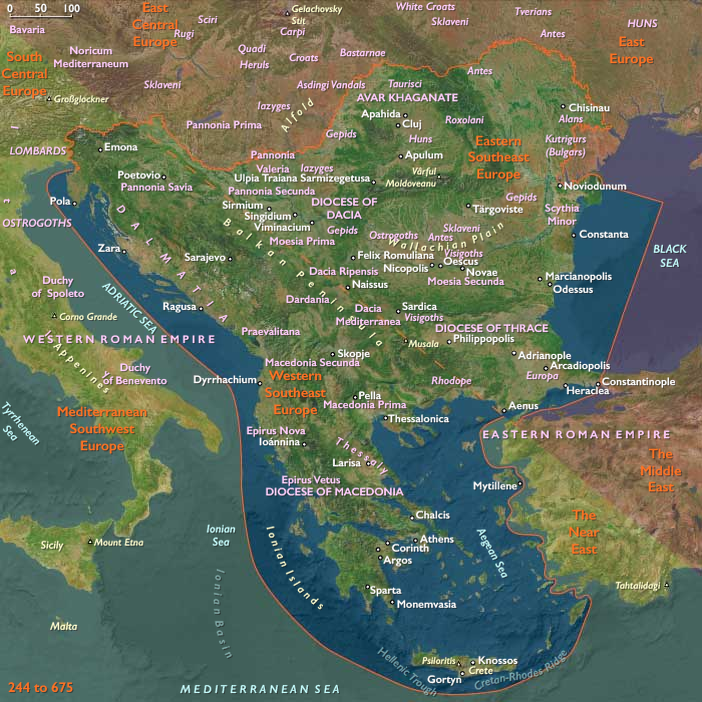
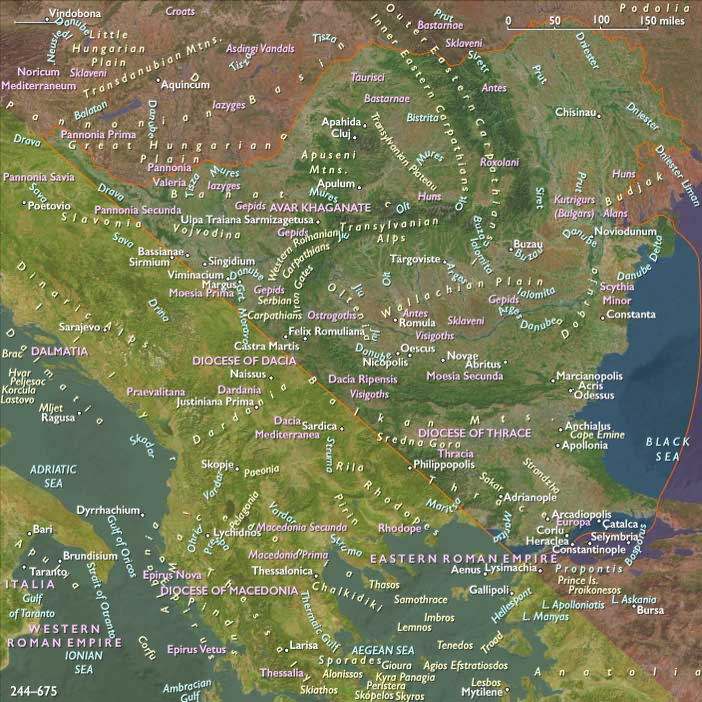
Between 652 and 663 CE, Eastern Southeast Europe maintained demographic stability despite ongoing migratory pressures. Urban centers like Constantinople, Philippopolis, Adrianople, and Serdica continued enhancing fortifications and infrastructure, effectively managing and integrating migrant populations.
Political and Military Developments
Relocation of Emperor Constans II
Emperor Constans II, widely unpopular in Constantinople due to fratricide and internal political tensions, relocated his imperial court to Syracuse, Sicily, in 663 CE. This significant move highlighted deepening internal divisions and dissatisfaction within the empire.
Religious Persecutions and Political Repressions
Constans II's reign witnessed significant religious and political tensions, exemplified by the arrest and public humiliation of Pope Martin I in 654 CE, and severe persecution of the theologian Maximus the Confessor between 653 and 662 CE. These actions reflected intensified imperial efforts to assert control over theological debates and church affairs.
Establishment of the Thema System
Around 659 CE, Constans II initiated significant administrative and military reforms through the establishment of the themata, or themes. This new territorial and administrative system reorganized Anatolia into large, militarily governed regions, strengthening regional defense capabilities and laying a foundation that persisted for centuries.
Temporary Truce with the Arabs
Capitalizing on internal conflicts within the Arab world following the assassination of Caliph 'Uthman ibn 'Affan, Constans secured a critical nonaggression treaty with Muawiyah, governor of Syria, in 659 CE. This temporary truce provided essential breathing space for the empire to strengthen defenses and implement administrative reforms.
Economic and Technological Developments
Economic Stability Amidst Political Unrest
Despite internal tensions and external threats, the economy remained relatively stable, supported by continued agricultural productivity and active trade networks centered around Constantinople.
Military Reforms and Technological Adaptation
Technological developments, particularly related to military fortifications and strategic defense logistics, continued. These improvements reinforced regional security and preparedness.
Cultural and Artistic Developments
Cultural Resilience
Cultural and artistic activities persisted robustly, showcasing the integration of classical and emerging Christian influences. Artistic production continued to reinforce regional identity and community cohesion.
Intellectual Continuity
Scholarly institutions continued actively preserving classical and theological knowledge, adapting to contemporary challenges and maintaining intellectual vibrancy.
Social and Religious Developments
Governance and Administrative Adaptation
Administrative systems showed ongoing adaptability and efficiency, effectively managing regional challenges, civic responsibilities, and strategic defense requirements.
Deepening Christian Influence
Christianity continued its integration into regional social, cultural, and political structures, significantly shaping community cohesion and resilience amidst political instability.
Long-Term Consequences and Historical Significance
The era from 652 to 663 CE was marked by notable administrative reforms, political upheavals, and religious tensions. The establishment of the theme system significantly strengthened regional defenses, and despite internal discord, the period contributed substantially to the long-term resilience and governance stability of Eastern Southeast Europe.
People
Groups
- Arab people
- Thrace, Theme of
- Thracia (Roman province)
- Moesia I (Roman province)
- Moesia II (Roman province)
- Slavs, South
- Christianity, Chalcedonian
- Avar Khaganate (Eurasian Avars)
- Roman Empire, Eastern: Non-dynastic
- Roman Empire, Eastern: Heraclian dynasty
- Islam
- Thracesian Theme
- Umayyad Caliphate (Damascus)
Topics
Commodoties
Subjects
Regions
Subregions
Years: 652 - 663
People
Groups
- Arab people
- Thrace, Theme of
- Thracia (Roman province)
- Moesia I (Roman province)
- Moesia II (Roman province)
- Slavs, South
- Christianity, Chalcedonian
- Avar Khaganate (Eurasian Avars)
- Roman Empire, Eastern: Non-dynastic
- Roman Empire, Eastern: Heraclian dynasty
- Islam
- Thracesian Theme
- Umayyad Caliphate (Damascus)
Topics
Commodoties
Subjects
Regions
Subregions