
Eastern Southeast Europe (640–651 CE): Religious Controversy …
Years: 640 - 651
Eastern Southeast Europe (640–651 CE): Religious Controversy and Imperial Authority
Settlement and Migration Patterns
Continued Stability and Integration
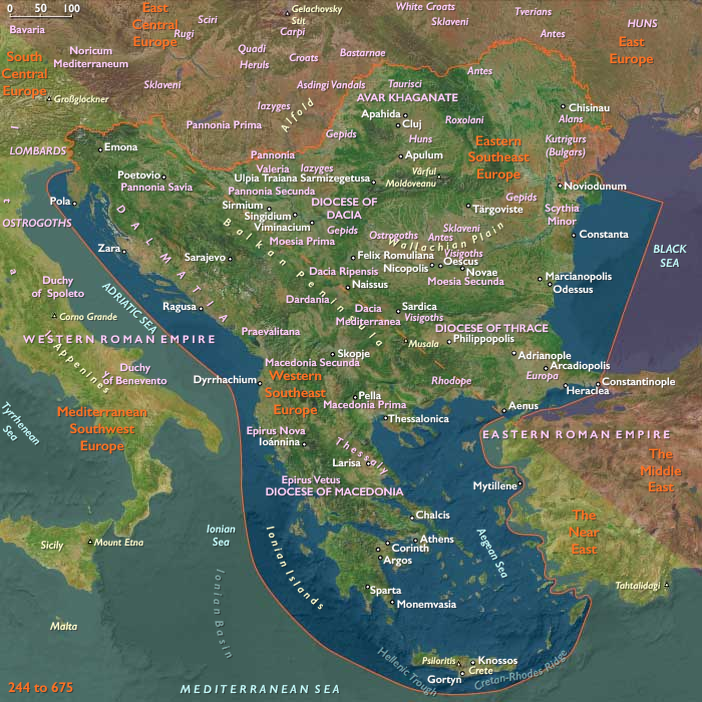
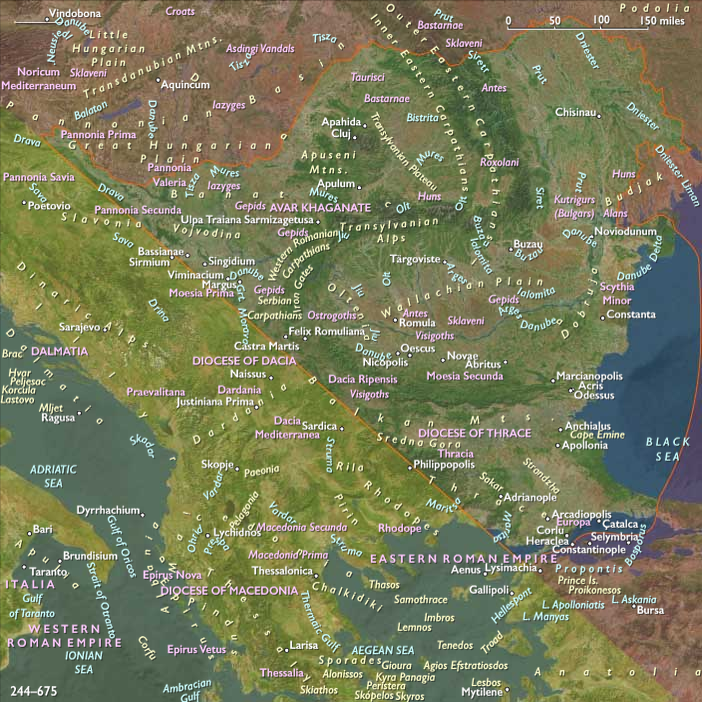
From 640 to 651 CE, Eastern Southeast Europe maintained relative demographic stability, continuing the integration of Slavic and Bulgar populations into established settlements. These communities progressively influenced local culture, enhancing regional cohesion.
Political and Military Developments
Imperial Authority and Religious Tension
A significant political event was Emperor Constans II’s imposition of Monothelitism, a theological doctrine asserting a single divine will in Christ. In a highly controversial act, Constans imprisoned Pope Martin I, reflecting deepening religious divisions and imperial attempts to enforce theological unity. These actions exacerbated internal tensions, creating lasting divisions within the imperial domains.
Ongoing Defensive Efforts
Throughout this period, the Eastern Roman Empire continued to strengthen its defensive structures, addressing both external threats and internal disruptions arising from religious controversies and political instability.
Economic and Technological Developments
Economic Resilience
The regional economy exhibited resilience amidst ongoing religious and political controversies. Stable agricultural productivity and active trade networks persisted, bolstering economic continuity and regional stability.
Fortification and Infrastructure Maintenance
Continued investment in fortifications and infrastructure was critical for regional defense and administration. These developments supported economic stability and facilitated effective governance in the face of internal and external pressures.
Cultural and Artistic Developments
Religious Influence on Culture
Cultural and artistic expression during this era was deeply influenced by ongoing theological debates. Artistic endeavors often reflected religious themes, illustrating the profound impact of religious controversy on regional culture and identity.
Intellectual Continuity
Despite religious and political upheavals, educational and scholarly institutions continued their efforts in preserving and transmitting classical and theological knowledge, contributing to ongoing intellectual resilience and cultural stability.
Social and Religious Developments
Impact of Monothelitism
The imperial imposition of Monothelitism significantly affected societal structures, intensifying religious divisions and leading to political unrest. This theological dispute underscored tensions between imperial authority and religious autonomy.
Expanding Role of Christianity
Christianity continued to profoundly shape social dynamics, with religious institutions playing central roles in community cohesion and support amid the era's controversies and challenges.
Long-Term Consequences and Historical Significance
The period from 640 to 651 CE was marked notably by theological controversies initiated by Emperor Constans II’s religious policies. These developments had enduring impacts, influencing ecclesiastical structures, imperial governance, and societal cohesion within Eastern Southeast Europe.
People
Groups
- Dacians, or Getae, or Geto-Dacians
- Thrace, Theme of
- Thracia (Roman province)
- Dacia Mediterranea (Roman province)
- Dacia Ripensis (Roman province)
- Moesia I (Roman province)
- Moesia II (Roman province)
- Bulgars
- Europa (Roman province)
- Slavs, South
- Christianity, Chalcedonian
- Roman Empire, Eastern: Heraclian dynasty
- Christians, Monotheletist
Topics
Commodoties
Subjects
Regions
Subregions
Related Events
Showing 2 events out of 2 total
Years: 640 - 651
People
Groups
- Dacians, or Getae, or Geto-Dacians
- Thrace, Theme of
- Thracia (Roman province)
- Dacia Mediterranea (Roman province)
- Dacia Ripensis (Roman province)
- Moesia I (Roman province)
- Moesia II (Roman province)
- Bulgars
- Europa (Roman province)
- Slavs, South
- Christianity, Chalcedonian
- Roman Empire, Eastern: Heraclian dynasty
- Christians, Monotheletist
Topics
Commodoties
Subjects
Regions
Subregions