
Eastern Southeast Europe (592–603 CE): Adaptation and …
Years: 592 - 603
Eastern Southeast Europe (592–603 CE): Adaptation and Strategic Resilience
Settlement and Migration Patterns
Persistent Migration and Adaptation
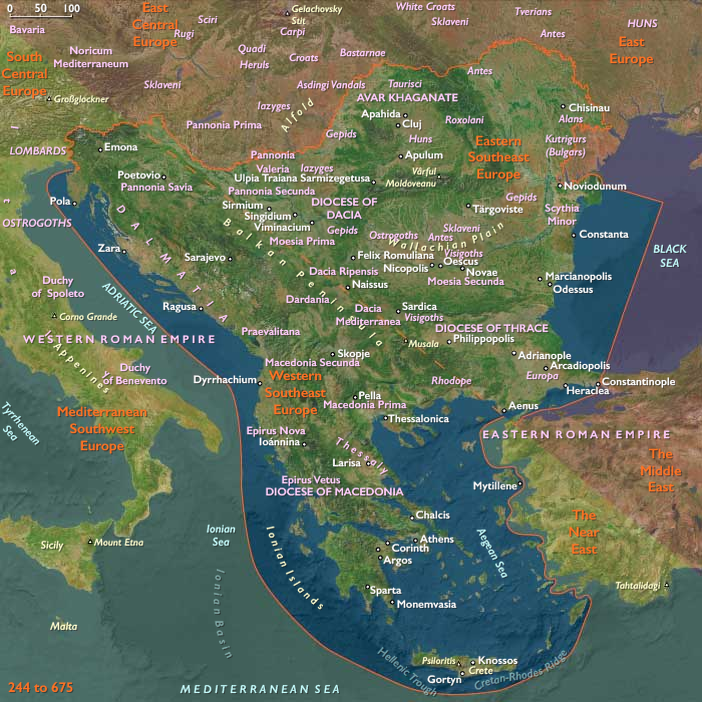
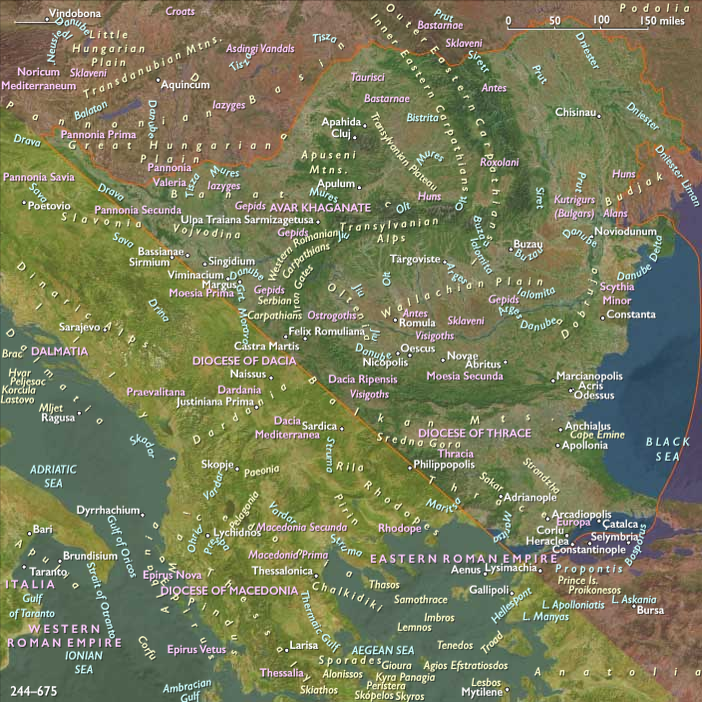
From 592 to 603 CE, Eastern Southeast Europe continued experiencing significant migratory movements, notably from Slavic and Avar groups. Settlements and urban communities adapted strategically to these demographic shifts, reinforcing defensive capacities and integrating new populations effectively.
Strengthened Urban Defenses
Urban centers such as Constantinople, Philippopolis, Adrianople, and Serdica maintained and enhanced robust fortifications. Strategic urban planning and infrastructure investments supported continued security and societal stability amidst ongoing external pressures.
Economic and Technological Developments
Economic Stability and Adaptive Trade
Regional economies demonstrated continued stability, with adaptive trading practices and consistent agricultural productivity sustaining economic resilience. Constantinople's central economic role remained pivotal, anchoring regional trade networks and resource allocation.
Military and Defensive Advances
Technological and infrastructural advancements emphasized military defense, including fortification upgrades, improved military logistics, and advanced strategic planning. These developments enhanced regional security, protecting economic and social continuity.
Cultural and Artistic Developments
Cultural Resilience and Continuity
Cultural activities remained vigorous, effectively integrating classical traditions and Christian symbolism. Artistic and communal projects reinforced cultural identity and societal cohesion, demonstrating resilience amid shifting circumstances.
Intellectual Persistence
Scholarly and educational institutions continued to preserve and disseminate classical and theological knowledge actively. Intellectual endeavors maintained vibrancy, effectively adapting to contemporary challenges and societal conditions.
Social and Religious Developments
Effective Governance
Administrative structures continued their efficient adaptation to regional challenges, emphasizing effective governance, civic oversight, and resource management. Robust provincial administration was crucial in maintaining societal stability and strategic responsiveness.
Christianity’s Increasing Societal Integration
Christianity further expanded its societal role, profoundly shaping regional social, cultural, and political dynamics. The continued growth of religious institutions significantly enhanced community support networks, fostering resilience and societal cohesion.
Long-Term Consequences and Historical Significance
The era from 592 to 603 CE was characterized by significant demographic adaptation, fortified urban resilience, sustained economic stability, and cultural continuity. These developments were instrumental in strengthening Eastern Southeast Europe's adaptive capacities, laying the groundwork for future historical stability and prosperity.
Groups
- Dacians, or Getae, or Geto-Dacians
- Thrace, Theme of
- Thracia (Roman province)
- Dacia Ripensis (Roman province)
- Dacia Mediterranea (Roman province)
- Moesia I (Roman province)
- Moesia II (Roman province)
- Europa (Roman province)
- Christianity, Nicene
- Slavs, South
- Roman Empire, Eastern: Justinian dynasty
- Avar Khaganate (Eurasian Avars)
- Roman Empire, Eastern: Non-dynastic
Topics
Commodoties
Subjects
Regions
Subregions
Related Events
Showing 10 events out of 57203 total
Years: 592 - 603
Groups
- Dacians, or Getae, or Geto-Dacians
- Thrace, Theme of
- Thracia (Roman province)
- Dacia Ripensis (Roman province)
- Dacia Mediterranea (Roman province)
- Moesia I (Roman province)
- Moesia II (Roman province)
- Europa (Roman province)
- Christianity, Nicene
- Slavs, South
- Roman Empire, Eastern: Justinian dynasty
- Avar Khaganate (Eurasian Avars)
- Roman Empire, Eastern: Non-dynastic
Topics
Commodoties
Subjects
Regions
Subregions