
Eastern Southeast Europe (580–591 CE): Resilience Amidst …
Years: 580 - 591
Eastern Southeast Europe (580–591 CE): Resilience Amidst Heightened Challenges
Settlement and Migration Patterns
Increased Migration Pressures
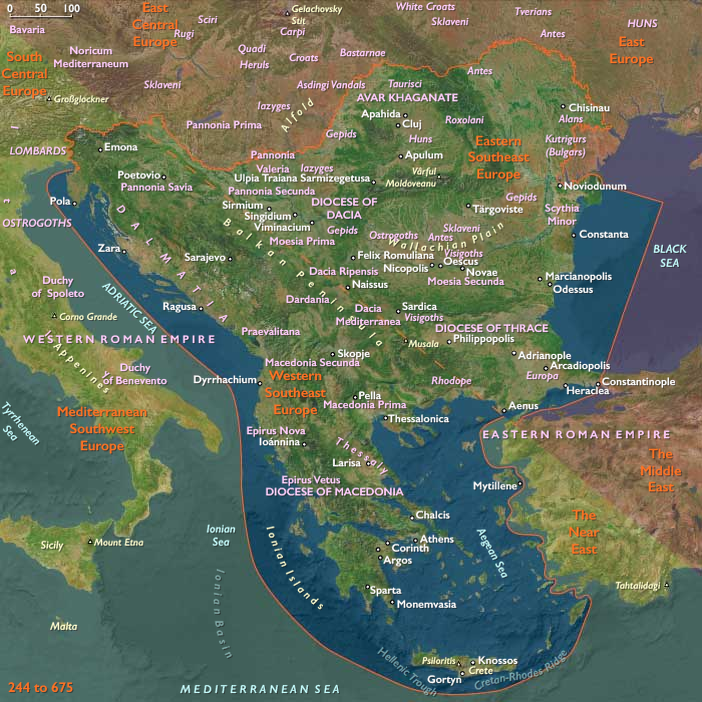
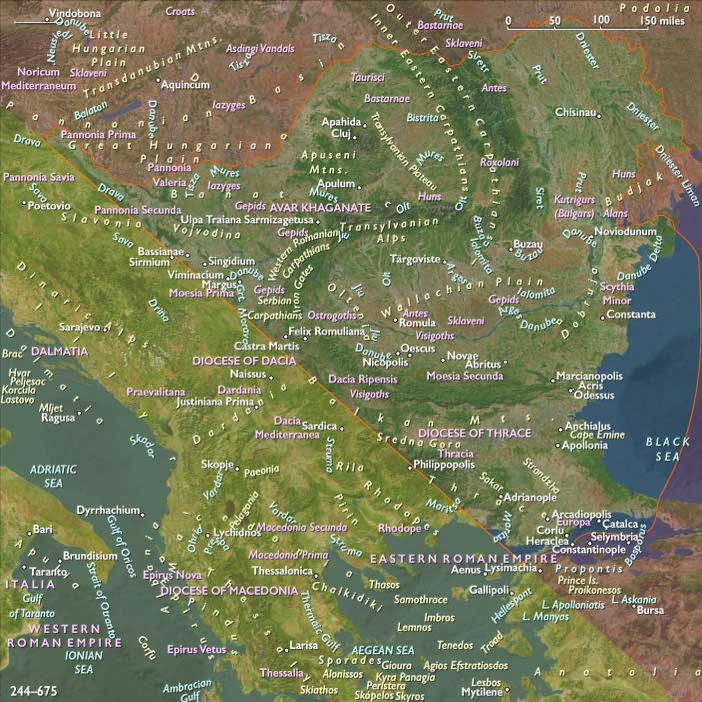
Between 580 and 591 CE, Eastern Southeast Europe experienced heightened migratory pressures from various groups, notably the Slavs and Avars. These migrations intensified regional demographic shifts and necessitated further strategic adjustments in settlement planning and urban fortifications.
Robust Urban Adaptations
Cities such as Constantinople, Philippopolis, Adrianople, and Serdica enhanced their defensive capabilities significantly in response to external threats. Increased fortifications and reinforced urban infrastructure supported effective management of new migratory influxes.
Economic and Technological Developments
Sustained Economic Resilience
Despite increased external pressures, the regional economy maintained resilience. Stable agricultural production and active trade routes, primarily anchored by Constantinople, ensured ongoing regional economic stability and resource availability.
Advanced Defensive Innovations
Technological developments continued emphasizing military fortifications, advanced defensive strategies, and enhanced logistics. These innovations reinforced security and contributed to maintaining economic continuity amid heightened external pressures.
Cultural and Artistic Developments
Cultural Persistence
Cultural activities maintained vibrancy, reflecting the resilience of societal traditions. Artistic endeavors continued integrating classical and Christian themes, emphasizing community cohesion and regional identity amid challenging times.
Intellectual Continuity
Educational and intellectual institutions remained robust, actively preserving and promoting classical and theological knowledge. Scholarly activity adapted effectively to changing conditions, ensuring intellectual vitality and cultural continuity.
Social and Religious Developments
Effective Provincial Administration
Administrative systems continued adapting efficiently to external challenges, enhancing local governance, civic management, and defense coordination. Provincial governance played a crucial role in ensuring societal stability and effective resource distribution.
Deepening Role of Christianity
Christianity's societal role deepened significantly, with religious institutions becoming crucial centers for community support and resilience. Churches and monastic communities further expanded their societal influence, enhancing social cohesion and communal solidarity.
Long-Term Consequences and Historical Significance
The period from 580 to 591 CE represented a critical phase of resilience amidst heightened migratory challenges. Sustained economic stability, enhanced urban defenses, and robust cultural and administrative adaptability significantly influenced Eastern Southeast Europe's ability to effectively manage external pressures and maintain historical continuity
Groups
- Dacians, or Getae, or Geto-Dacians
- Thrace, Theme of
- Thracia (Roman province)
- Dacia Mediterranea (Roman province)
- Dacia Ripensis (Roman province)
- Moesia II (Roman province)
- Moesia I (Roman province)
- Europa (Roman province)
- Christianity, Nicene
- Slavs, South
- Roman Empire, Eastern: Justinian dynasty
- Avar Khaganate (Eurasian Avars)
Topics
Commodoties
Subjects
Regions
Subregions
Related Events
Showing 10 events out of 57370 total
Years: 580 - 591
Groups
- Dacians, or Getae, or Geto-Dacians
- Thrace, Theme of
- Thracia (Roman province)
- Dacia Mediterranea (Roman province)
- Dacia Ripensis (Roman province)
- Moesia II (Roman province)
- Moesia I (Roman province)
- Europa (Roman province)
- Christianity, Nicene
- Slavs, South
- Roman Empire, Eastern: Justinian dynasty
- Avar Khaganate (Eurasian Avars)
Topics
Commodoties
Subjects
Regions
Subregions