
Eastern Southeast Europe (520–531 CE): Urban Development, …
Years: 520 - 531
Eastern Southeast Europe (520–531 CE): Urban Development, Economic Continuity, and Administrative Efficiency
Settlement and Migration Patterns
Urban Development
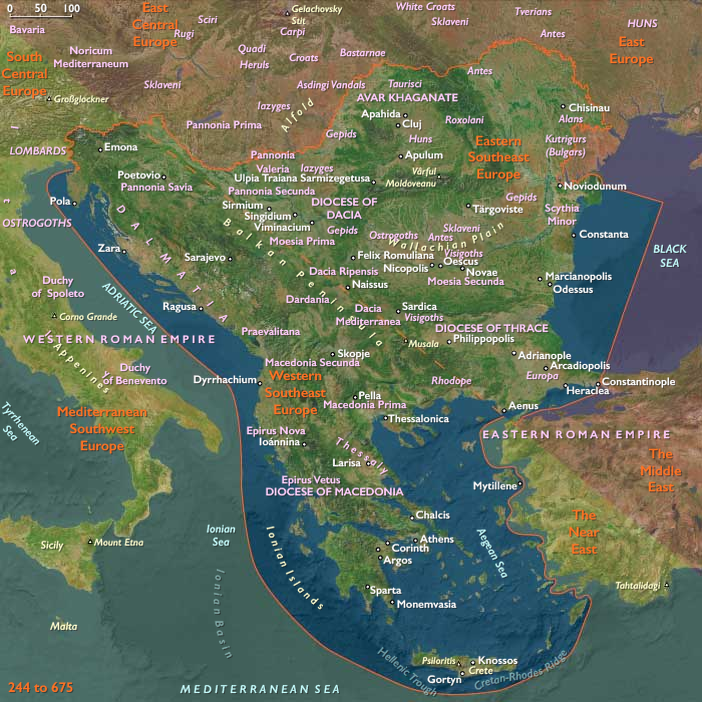
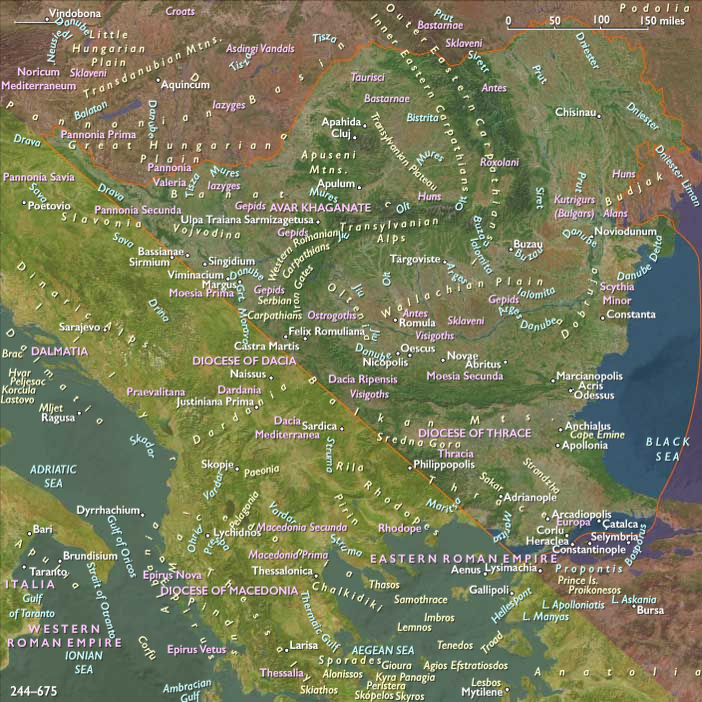
From 520 to 531 CE, the Eastern Roman Empire’s urban centers in Southeast Europe exhibited a blend of stability and new initiatives under Emperor Justin I and the early reign of Justinian I. Constantinople remained a thriving metropolis, home to hundreds of thousands of inhabitants with continuous construction projects. Although the most renowned projects of Justinian, such as the Hagia Sophia, began slightly after this period, infrastructure like streets, forums, and aqueducts were meticulously maintained, preparing for future embellishments.
Provincial cities such as Philippopolis in Thrace and Serdica in Dacia Mediterranea also experienced sustained urban life, recovering from earlier invasions and benefiting from imperial fortification efforts. By the 520s, Philippopolis retained its ancient theater and forum, repurposed for contemporary use, alongside new church and basilica constructions, indicating thriving urban communities. Justinian’s early policies aimed at fortifying cities across the Balkans, especially in strategic regions such as Moesia and Scythia, underscoring a commitment to urban resilience and regional stability.
Emerging Migration Pressures
Despite urban stability, imperial defenses began to falter as Slavic groups intensified incursions across the Danube River, troubling Balkan provinces. These raids, beginning prominently in the 520s, marked early signs of significant demographic and security challenges.
Economic and Technological Developments
Economic Continuity
Despite conflicts on the empire’s frontiers, Eastern Southeast Europe maintained notable economic activity. Constantinople served as a vital economic nexus, sustaining agricultural provinces and regional trade networks through its enormous demand for grain, oil, and textiles. The capital’s strategic position ensured continued commerce via the Black Sea and Mediterranean routes.
Regional trade routes like the Via Diagonalis continued facilitating movement of goods and troops, supporting local economies in cities such as Philippopolis and Serdica. Monetary circulation persisted, evidenced by coinage from Emperors Justin I and Justinian, highlighting economic stability and continuity.
Technological and Defensive Enhancements
Technological progress primarily centered around military infrastructure, with ongoing enhancements to city walls, fortifications, and logistical frameworks. Such innovations safeguarded urban centers and critical economic activities, reflecting an adaptive approach to emerging threats.
Cultural and Artistic Developments
Artistic and Cultural Vitality
Cultural life flourished with artistic production continuing to integrate classical and Christian motifs. Public monuments, religious architecture, and decorative arts enriched the region’s cultural landscape, affirming regional identity and heritage.
Intellectual Preservation
Educational and scholarly institutions actively preserved classical and theological knowledge, maintaining intellectual vitality and adapting scholarship to contemporary contexts. This period’s educational continuity was pivotal for sustaining regional cultural and intellectual life.
Social and Religious Developments
Administrative Efficiency
The Eastern Roman administration operated efficiently through centralized bureaucracy and a network of provincial officials and military commanders. Cities played crucial administrative roles, with provincial capitals like Philippopolis housing governors and coordinating local governance and defense.
The efficient administrative structure, exemplified by Justinian’s early legal reforms leading to the first edition of the Corpus Juris Civilis (528–529 CE), facilitated effective governance, communication, and rapid response to regional challenges.
Expanding Christian Influence
Christianity deepened its societal integration, with ecclesiastical infrastructure expansion significantly shaping cultural and political dynamics. Bishops in cities like Serdica, Philippopolis, and Adrianople played vital roles, overseeing charitable activities, representing civic interests, and enhancing community cohesion.
Long-Term Consequences and Historical Significance
The period 520–531 CE laid critical groundwork for future regional growth, marked by urban stability, economic resilience, and administrative efficiency. These developments provided a robust platform for subsequent Byzantine prominence, despite looming challenges from emerging migration pressures and military threats.
People
Groups
- Dacians, or Getae, or Geto-Dacians
- Thrace, Theme of
- Thracia (Roman province)
- Dacia Mediterranea (Roman province)
- Dacia Ripensis (Roman province)
- Moesia II (Roman province)
- Moesia I (Roman province)
- Pannonia Secunda (Roman province)
- Europa (Roman province)
- Slavs, South
- Christianity, Chalcedonian
- Roman Empire, Eastern: Leonid dynasty
- Sclaveni (Slavic tribal confederation)
- Roman Empire, Eastern: Justinian dynasty
Topics
Commodoties
- Weapons
- Oils, gums, resins, and waxes
- Grains and produce
- Ceramics
- Strategic metals
- Slaves
- Beer, wine, and spirits
- Lumber
Subjects
Regions
Subregions
Years: 520 - 531
People
Groups
- Dacians, or Getae, or Geto-Dacians
- Thrace, Theme of
- Thracia (Roman province)
- Dacia Mediterranea (Roman province)
- Dacia Ripensis (Roman province)
- Moesia II (Roman province)
- Moesia I (Roman province)
- Pannonia Secunda (Roman province)
- Europa (Roman province)
- Slavs, South
- Christianity, Chalcedonian
- Roman Empire, Eastern: Leonid dynasty
- Sclaveni (Slavic tribal confederation)
- Roman Empire, Eastern: Justinian dynasty
Topics
Commodoties
- Weapons
- Oils, gums, resins, and waxes
- Grains and produce
- Ceramics
- Strategic metals
- Slaves
- Beer, wine, and spirits
- Lumber
Subjects
Regions
Subregions