
Eastern Southeast Europe (496–507 CE): Stability Amid …
Years: 496 - 507
Eastern Southeast Europe (496–507 CE): Stability Amid Emerging Pressures
Settlement and Migration Patterns
Continued Urban Development
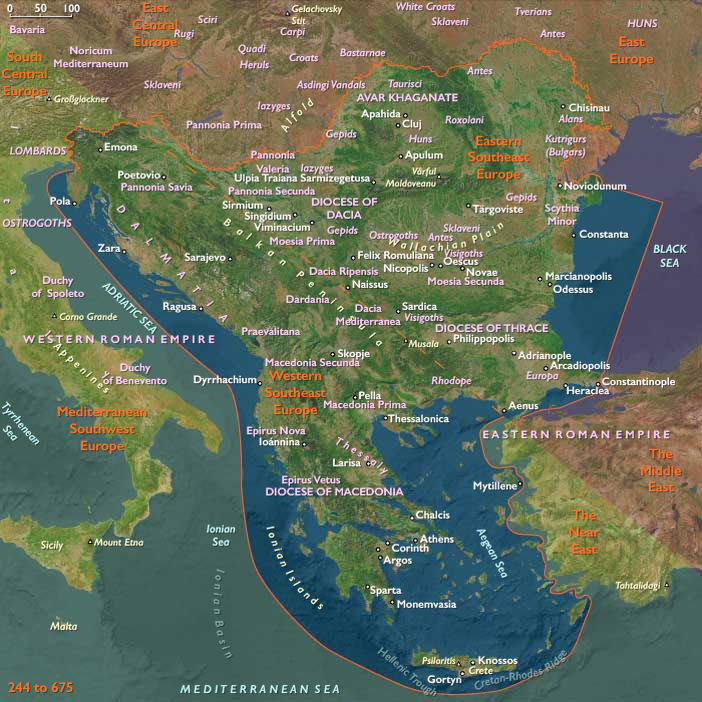
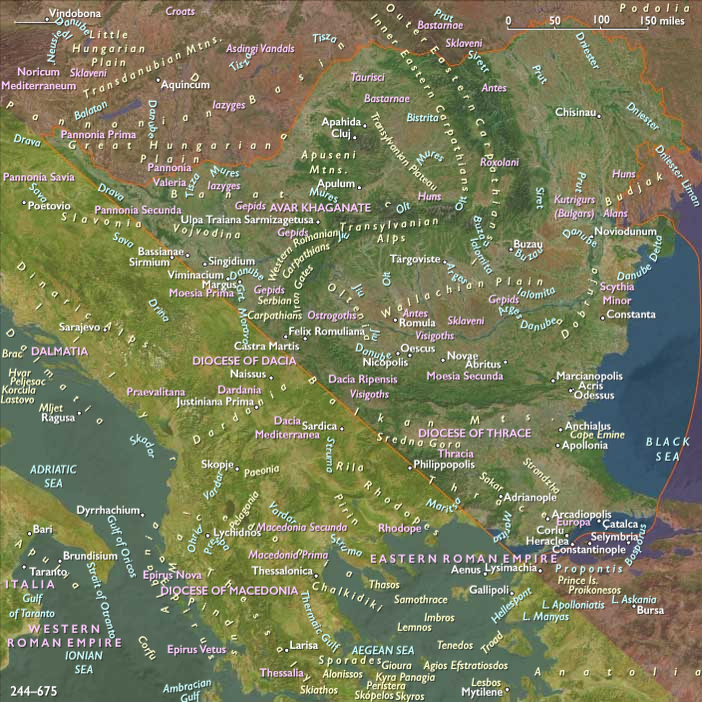
Between 496 and 507 CE, Eastern Southeast Europe sustained urban growth and stability. Cities such as Constantinople, Philippopolis, and other regional centers further consolidated their infrastructure, continuing to enhance defenses and support stable populations.
Migration and Demographic Shifts
During this period, significant migratory pressures continued as Slavic tribes descended along the Dniester and Prut river valleys. By about 500 CE, these tribes, known as the Sclaveni, had settled extensively along the northern banks of the Danube River, from its mouths to its confluence with the Tisza River in present-day Vojvodina, Serbia. This new demographic presence began reshaping regional settlement patterns and social structures.
Economic and Technological Developments
Economic Stability and Growth
The regional economy maintained resilience, driven by consistent agricultural outputs and sustained trade activities. Constantinople remained a crucial economic hub, ensuring robust commercial networks and continued prosperity throughout Eastern Southeast Europe.
Advances in Military Technology
Technological advancements continued to improve defensive capabilities, with significant enhancements in fortifications, weaponry, and logistical infrastructure. These developments safeguarded regional stability and ensured economic continuity despite emerging pressures.
Cultural and Artistic Developments
Artistic Flourishing
Cultural and artistic endeavors remained vibrant, reflecting classical traditions integrated with emerging Christian symbolism. Notably, between 493 and 508 CE, the Ambrosian Iliad (Ilias Picta)—an illuminated manuscript of Homer's Iliad—was produced in Constantinople. This manuscript stands among the oldest surviving illustrated texts from antiquity, demonstrating the sophisticated artistic culture of the region.
Preservation of Intellectual Heritage
Educational institutions actively preserved classical and theological knowledge, maintaining intellectual vitality. Scholarly endeavors adapted to evolving social and political contexts, ensuring continued cultural and educational vigor.
Social and Religious Developments
Strengthened Governance Structures
Provincial administration refined its efficiency, improving local governance, civic management, and administrative coherence. These enhanced structures provided necessary stability amidst the challenges posed by new demographic shifts.
Christianity’s Continued Expansion
Christianity deepened its influence, further integrating into regional social, cultural, and political structures. The ongoing expansion of religious institutions, such as churches and monasteries, strengthened community bonds and provided essential spiritual and societal support during periods of transition.
Long-Term Consequences and Historical Significance
The era from 496 to 507 CE represented ongoing regional stability amidst significant demographic transformations, economic resilience, and cultural continuity. The settlement of Slavic tribes along the Danube established new cultural dynamics that significantly influenced Eastern Southeast Europe's historical trajectory, laying essential groundwork for future developments.
Groups
- Dacians, or Getae, or Geto-Dacians
- Thrace, Theme of
- Thracia (Roman province)
- Dacia Ripensis (Roman province)
- Dacia Mediterranea (Roman province)
- Moesia I (Roman province)
- Moesia II (Roman province)
- Pannonia Secunda (Roman province)
- Macedonia, Diocese of
- Europa (Roman province)
- Dacia, Diocese of
- Macedonia, (East) Roman
- Slavs, South
- Christianity, Chalcedonian
- Roman Empire, Eastern: Leonid dynasty
- Sclaveni (Slavic tribal confederation)
Topics
Commodoties
- Weapons
- Oils, gums, resins, and waxes
- Grains and produce
- Ceramics
- Strategic metals
- Slaves
- Beer, wine, and spirits
- Lumber
Subjects
Regions
Subregions
Years: 496 - 507
Groups
- Dacians, or Getae, or Geto-Dacians
- Thrace, Theme of
- Thracia (Roman province)
- Dacia Ripensis (Roman province)
- Dacia Mediterranea (Roman province)
- Moesia I (Roman province)
- Moesia II (Roman province)
- Pannonia Secunda (Roman province)
- Macedonia, Diocese of
- Europa (Roman province)
- Dacia, Diocese of
- Macedonia, (East) Roman
- Slavs, South
- Christianity, Chalcedonian
- Roman Empire, Eastern: Leonid dynasty
- Sclaveni (Slavic tribal confederation)
Topics
Commodoties
- Weapons
- Oils, gums, resins, and waxes
- Grains and produce
- Ceramics
- Strategic metals
- Slaves
- Beer, wine, and spirits
- Lumber
Subjects
Regions
Subregions