
Eastern Southeast Europe (484–495 CE): Strengthening Foundations …
Years: 484 - 495
Eastern Southeast Europe (484–495 CE): Strengthening Foundations and Emerging Challenges
Settlement and Migration Patterns
Continued Regional Stability
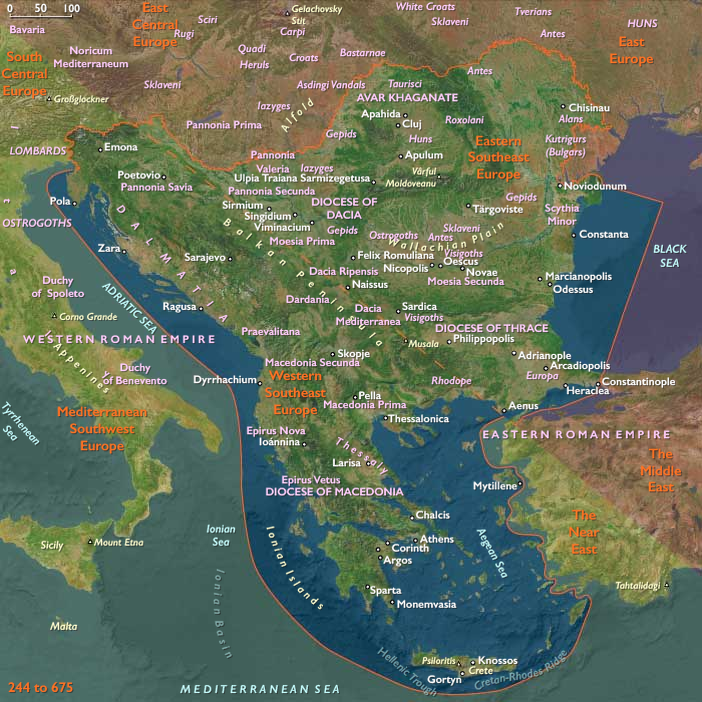
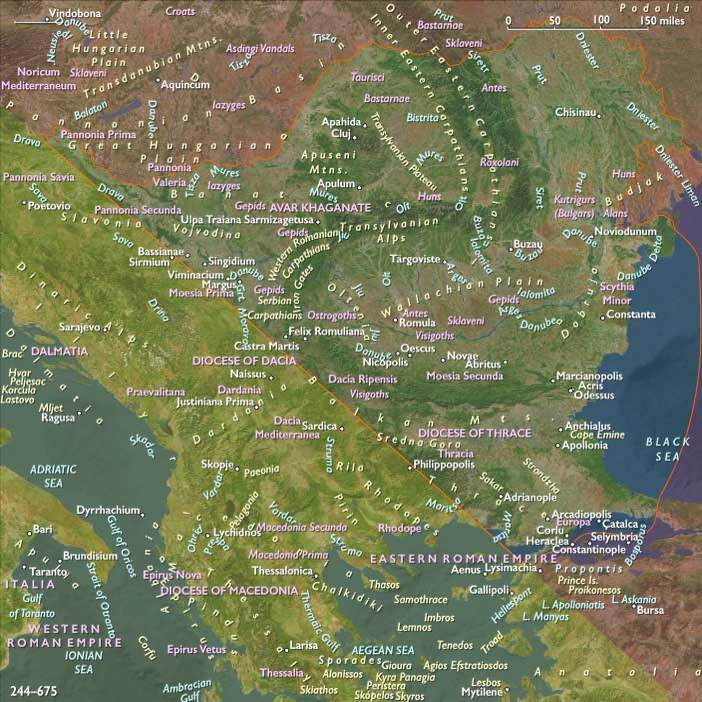
Between 484 and 495 CE, Eastern Southeast Europe continued enjoying relative stability, allowing settlements to consolidate further after earlier migrations, particularly among expanding Slavic populations settling the Balkans. Moderate population growth reinforced urban expansion and bolstered rural communities, gradually reshaping demographic and social structures.
Strategic Fortifications
Urban centers such as Constantinople and Philippopolis continued enhancing defensive fortifications. Strategic expansions and infrastructure improvements reinforced urban security, ensuring resilience against ongoing threats and facilitating continued regional stability.
Economic and Technological Developments
Sustained Economic Activity
The region’s economy displayed sustained growth and resilience, driven by stable agricultural production, active trade routes, and consistent urban commerce. Constantinople maintained its pivotal role as the regional economic hub, facilitating trade throughout Eastern Southeast Europe and beyond.
Military and Defensive Innovations
Advancements in military technology further refined fortifications, weaponry, and logistical capabilities. These ongoing developments ensured sustained military preparedness, bolstered regional defenses, and safeguarded economic activities amid evolving challenges.
Cultural and Artistic Developments
Flourishing Artistic Traditions
Cultural vitality remained robust, with continued artistic production blending classical heritage with Christian themes. Public monuments, religious architecture, and decorative arts flourished, reinforcing regional cultural identity and societal cohesion.
Intellectual Vitality
Educational institutions and scholarly communities actively preserved and expanded classical and theological knowledge. Scholarly activities adapted effectively to contemporary socio-political contexts, sustaining cultural continuity and maintaining intellectual vibrancy.
Social and Religious Developments
Efficient Governance and Administration
Provincial administration further strengthened, improving local governance, civic oversight, and administrative efficiency. These enhancements supported ongoing regional stability, ensuring coherent responses to external pressures and internal developments.
Deepened Christian Integration
Christianity’s integration intensified, increasingly shaping social, cultural, and political dynamics. Continued establishment and expansion of religious institutions, such as churches and monasteries, reinforced societal cohesion and provided moral continuity amid change.
Long-Term Consequences and Historical Significance
The period from 484 to 495 CE was marked by strengthened regional foundations, sustained economic resilience, and robust cultural and administrative frameworks. These developments significantly influenced Eastern Southeast Europe's historical trajectory, laying essential groundwork for ongoing regional stability and cultural prominence in the emerging Byzantine era.
Groups
- Dacians, or Getae, or Geto-Dacians
- Thrace, Theme of
- Thracia (Roman province)
- Dacia Ripensis (Roman province)
- Dacia Mediterranea (Roman province)
- Moesia II (Roman province)
- Moesia I (Roman province)
- Pannonia Secunda (Roman province)
- Macedonia, Diocese of
- Europa (Roman province)
- Dacia, Diocese of
- Macedonia, (East) Roman
- Slavs, South
- Christianity, Chalcedonian
Topics
Commodoties
- Weapons
- Oils, gums, resins, and waxes
- Grains and produce
- Ceramics
- Strategic metals
- Slaves
- Beer, wine, and spirits
- Lumber
Subjects
Regions
Subregions
Years: 484 - 495
Groups
- Dacians, or Getae, or Geto-Dacians
- Thrace, Theme of
- Thracia (Roman province)
- Dacia Ripensis (Roman province)
- Dacia Mediterranea (Roman province)
- Moesia II (Roman province)
- Moesia I (Roman province)
- Pannonia Secunda (Roman province)
- Macedonia, Diocese of
- Europa (Roman province)
- Dacia, Diocese of
- Macedonia, (East) Roman
- Slavs, South
- Christianity, Chalcedonian
Topics
Commodoties
- Weapons
- Oils, gums, resins, and waxes
- Grains and produce
- Ceramics
- Strategic metals
- Slaves
- Beer, wine, and spirits
- Lumber
Subjects
Regions
Subregions