
Eastern Southeast Europe (460–471 CE): Stability, Growth, …
Years: 460 - 471
Eastern Southeast Europe (460–471 CE): Stability, Growth, and Strategic Adjustments
Settlement and Migration Patterns
Ongoing Population Adjustments
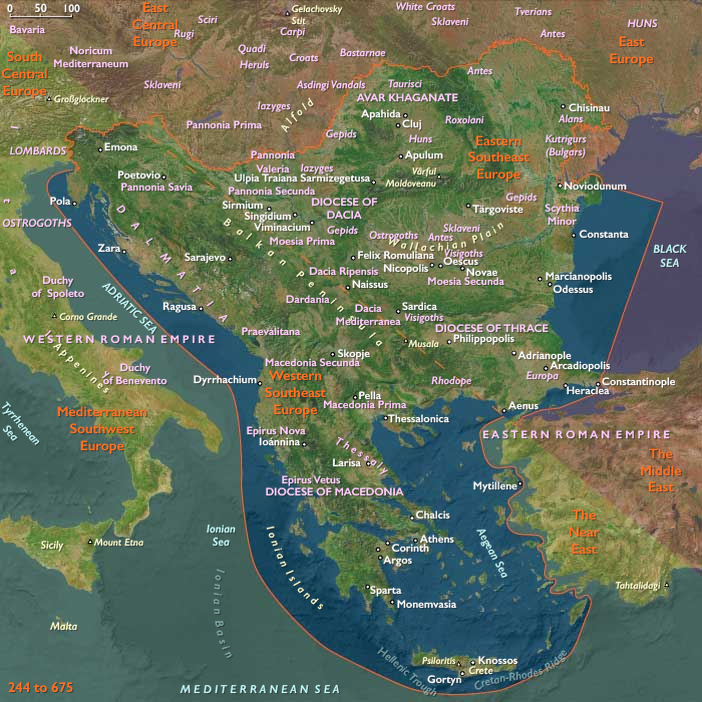
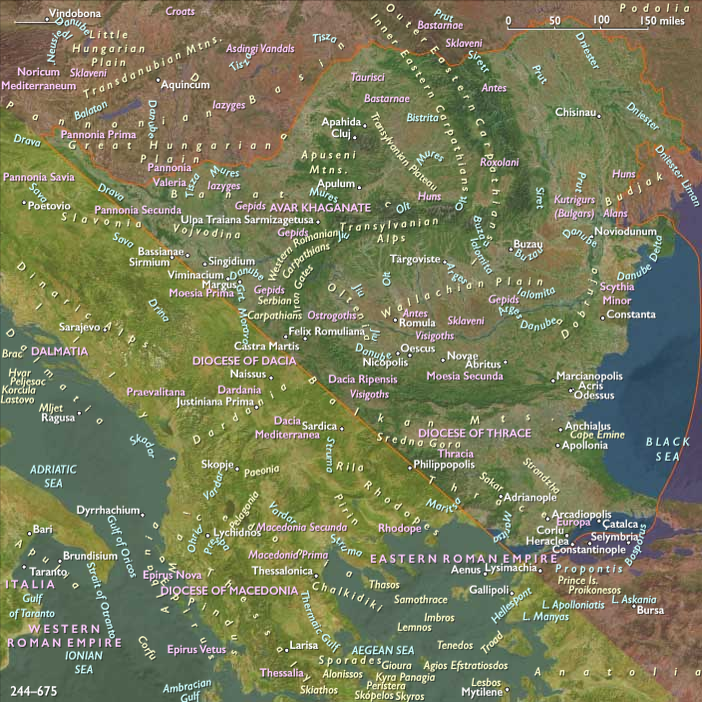
From 460 to 471 CE, Eastern Southeast Europe continued experiencing significant population shifts, partly resulting from prior invasions and migrations. Settlements stabilized further, strategically adapting to new demographic realities and maintaining a balance between urban and rural communities. The dissolution of Attila’s Hunnic Empire after his death triggered extensive migrations among Slavic tribes, who spread widely into regions such as Bohemia, Bulgaria, Macedonia, and the Carpathian Basin. These movements laid foundations for distinct East Slavic, West Slavic, and South Slavic groups, profoundly reshaping the ethnic landscape.
Reinforcement of Urban Centers
Urban centers such as Constantinople and Philippopolis continued to reinforce their defenses and infrastructures. Enhanced fortifications and strategic urban planning provided greater security and resilience against potential future threats, supporting sustained urban prosperity and population stability.
Economic and Technological Developments
Sustained Economic Stability
Economic conditions improved steadily, supported by stable agricultural productivity and the revitalization of trade networks. Constantinople remained central to regional economic activity, anchoring commerce and facilitating prosperity throughout Eastern Southeast Europe. However, a joint expedition by the Eastern and Western Roman Empires against the Vandals in North Africa during this era ended disastrously, severely straining the imperial treasury and influencing economic conditions.
Military and Technological Enhancements
Technological advancements, particularly in military infrastructure and defensive strategies, continued to evolve. Enhanced fortifications, innovative military logistics, and strategic deployment of resources bolstered regional security, economic stability, and defensive preparedness.
Cultural and Artistic Developments
Continued Cultural Flourishing
Cultural and artistic endeavors continued to flourish, blending classical heritage with Christian themes. Artistic production, including public monuments, religious architecture, and mosaics, emphasized regional identity and spiritual values.
Intellectual and Scholarly Activity
Educational and scholarly institutions maintained active roles in preserving and promoting classical and theological knowledge. These institutions supported intellectual vitality, adapting scholarship to contemporary social and political contexts, ensuring ongoing cultural continuity and development.
Social and Religious Developments
Effective Provincial Administration
Administrative systems further refined their operations, enhancing local governance, military preparedness, and civic oversight. These improvements in provincial administration significantly contributed to regional stability, ensuring effective governance despite external pressures and internal economic strains.
Deepening Christian Influence
Christianity solidified its influence, increasingly integrated into regional social, cultural, and political structures. Expansion of ecclesiastical infrastructure, such as churches and monastic communities, reinforced Christianity’s pivotal role in societal cohesion, providing moral and social support during periods of instability.
Long-Term Consequences and Historical Significance
The period from 460 to 471 CE marked enhanced regional stability, strategic population adjustments due to widespread Slavic migrations, and sustained cultural and economic growth despite significant economic challenges. These developments reinforced Eastern Southeast Europe's resilience, significantly shaping its historical trajectory and laying critical foundations for the region’s evolving identity and stability in subsequent centuries.
Groups
- Dacians, or Getae, or Geto-Dacians
- Thrace, Theme of
- Germans
- Thracia (Roman province)
- Dacia Ripensis (Roman province)
- Dacia Mediterranea (Roman province)
- Moesia II (Roman province)
- Moesia I (Roman province)
- Pannonia Secunda (Roman province)
- Macedonia, Diocese of
- Europa (Roman province)
- Dacia, Diocese of
- Roman Empire: Theodosian dynasty (Constantinople)
- Macedonia, (East) Roman
- Christianity, Chalcedonian
Topics
Commodoties
- Weapons
- Oils, gums, resins, and waxes
- Grains and produce
- Ceramics
- Strategic metals
- Slaves
- Beer, wine, and spirits
- Lumber
Subjects
Regions
Subregions
Years: 460 - 471
Groups
- Dacians, or Getae, or Geto-Dacians
- Thrace, Theme of
- Germans
- Thracia (Roman province)
- Dacia Ripensis (Roman province)
- Dacia Mediterranea (Roman province)
- Moesia II (Roman province)
- Moesia I (Roman province)
- Pannonia Secunda (Roman province)
- Macedonia, Diocese of
- Europa (Roman province)
- Dacia, Diocese of
- Roman Empire: Theodosian dynasty (Constantinople)
- Macedonia, (East) Roman
- Christianity, Chalcedonian
Topics
Commodoties
- Weapons
- Oils, gums, resins, and waxes
- Grains and produce
- Ceramics
- Strategic metals
- Slaves
- Beer, wine, and spirits
- Lumber
Subjects
Regions
Subregions