
Eastern Southeast Europe (448–459 CE): Recovery, Consolidation, …
Years: 448 - 459
Eastern Southeast Europe (448–459 CE): Recovery, Consolidation, and Continued Vigilance
Settlement and Migration Patterns
Post-Hunnic Stabilization
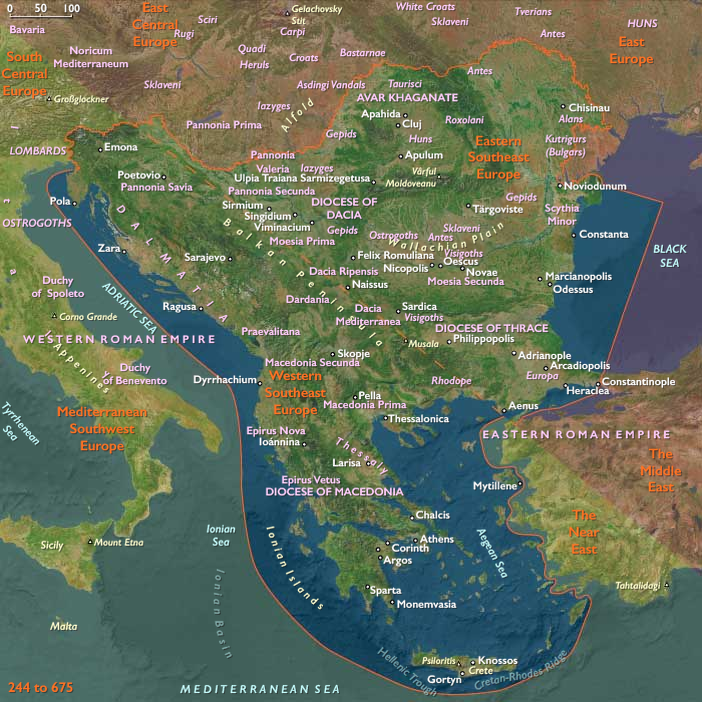
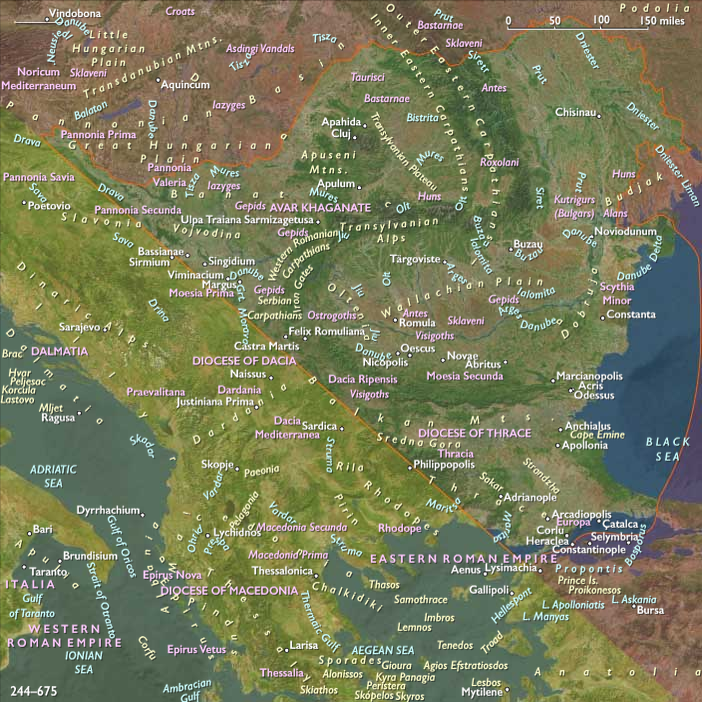
Between 448 and 459 CE, Eastern Southeast Europe began recovering from the severe disruptions caused by the devastating Hun invasions under Attila. Gradual restoration of stability allowed settlements and urban centers to regain strength, reorganizing demographic distributions and reviving social structures.
Consolidation of Defensive Settlements
Major cities, particularly Constantinople and Philippopolis, continued to enhance defensive infrastructures. Urban fortifications were reinforced and expanded, ensuring greater protection against potential future threats and fostering regional stability.
Economic and Technological Developments
Economic Recovery and Continuity
Regional economies began a cautious recovery from previous upheaval, benefiting from improving security conditions. Agricultural productivity resumed, and urban commerce gradually re-established trade links, facilitating regional economic stabilization.
Technological and Defensive Innovations
Advancements in military and defensive technology continued to develop, particularly in improved fortification systems, armament manufacturing, and logistical management. These innovations significantly increased the region's defensive capacity and military preparedness.
Cultural and Artistic Developments
Cultural Continuity and Revitalization
Cultural and artistic activities flourished despite earlier disruptions, reflecting ongoing resilience and adaptability. Public art, religious architecture, and urban monuments combining classical and Christian themes continued to be actively maintained and expanded.
Educational and Intellectual Resilience
Institutions of learning preserved and promoted classical knowledge, demonstrating intellectual vitality despite challenging conditions. Scholarly endeavors adapted to the evolving regional contexts, thereby maintaining a continuous cultural heritage.
Social and Religious Developments
Administrative Strengthening
Provincial governance systems further solidified their administrative effectiveness, improving local governance, military oversight, and civic management. This strengthening of administration significantly contributed to the region's enduring stability.
Further Expansion of Christianity
Christianity continued expanding its influence deeply into regional culture, society, and politics. Religious institutions increased their roles in societal guidance and community cohesion, reinforcing stability amid ongoing challenges.
Long-Term Consequences and Historical Significance
The period from 448 to 459 CE marked a crucial phase of regional recovery and defensive consolidation. The reinforced fortifications, economic revival, cultural resilience, and improved governance significantly shaped Eastern Southeast Europe’s stability, laying foundations essential for its continued historical trajectory toward Byzantine dominance.
People
Groups
- Dacians, or Getae, or Geto-Dacians
- Thrace, Theme of
- Germans
- Thracia (Roman province)
- Dacia Mediterranea (Roman province)
- Dacia Ripensis (Roman province)
- Moesia I (Roman province)
- Moesia II (Roman province)
- Pannonia Secunda (Roman province)
- Macedonia, Diocese of
- Europa (Roman province)
- Christianity, Nicene
- Dacia, Diocese of
- Hunnic Empire
- Roman Empire: Theodosian dynasty (Constantinople)
- Macedonia, (East) Roman
- Christianity, Chalcedonian
- Roman Empire, Eastern: Leonid dynasty
Topics
Commodoties
- Weapons
- Oils, gums, resins, and waxes
- Grains and produce
- Ceramics
- Strategic metals
- Slaves
- Beer, wine, and spirits
- Lumber
Subjects
Regions
Subregions
Years: 448 - 459
People
Groups
- Dacians, or Getae, or Geto-Dacians
- Thrace, Theme of
- Germans
- Thracia (Roman province)
- Dacia Mediterranea (Roman province)
- Dacia Ripensis (Roman province)
- Moesia I (Roman province)
- Moesia II (Roman province)
- Pannonia Secunda (Roman province)
- Macedonia, Diocese of
- Europa (Roman province)
- Christianity, Nicene
- Dacia, Diocese of
- Hunnic Empire
- Roman Empire: Theodosian dynasty (Constantinople)
- Macedonia, (East) Roman
- Christianity, Chalcedonian
- Roman Empire, Eastern: Leonid dynasty
Topics
Commodoties
- Weapons
- Oils, gums, resins, and waxes
- Grains and produce
- Ceramics
- Strategic metals
- Slaves
- Beer, wine, and spirits
- Lumber
Subjects
Regions
Subregions