
Eastern Southeast Europe (436–447 CE): Turmoil, Defensive …
Years: 436 - 447
Eastern Southeast Europe (436–447 CE): Turmoil, Defensive Adaptation, and Cultural Resilience
Settlement and Migration Patterns
Intensified Hun Invasions
Between 436 and 447 CE, Eastern Southeast Europe faced intensified invasions, notably from the Huns under Attila, significantly impacting regional stability and demographics. Heightened pressure led to substantial population movements and settlement disruptions.
Strengthened Urban Defenses
In response, major urban centers such as Constantinople and Philippopolis notably enhanced their defensive fortifications. Urban populations adapted to heightened security demands by reinforcing city walls, fortresses, and garrisons, ensuring sustained urban resilience.
Economic and Technological Developments
Economic Strains and Adaptations
Continuous invasions and security threats imposed considerable economic strain, yet regional economies demonstrated resilience through sustained agricultural production, safeguarded trade routes, and adaptive urban management.
Military Innovations
Technological advancements primarily focused on military defense, encompassing fortified infrastructure, improved weaponry, and efficient logistics. These measures ensured regional military preparedness against persistent external threats.
Cultural and Artistic Developments
Resilient Artistic Expression
Despite external pressures, cultural life robustly persisted, continuing traditions of public art, religious architecture, and monumental constructions. Artistic endeavors incorporated classical motifs alongside emerging Christian themes, expressing societal resilience and regional identity.
Intellectual Preservation
Educational and scholarly institutions actively preserved classical knowledge, maintaining intellectual vitality and adapting academic traditions to evolving socio-political circumstances.
Social and Religious Developments
Adaptive Governance
Provincial governance structures effectively adapted to escalating military threats, emphasizing localized control and enhanced defensive capacities. Effective administrative adjustments sustained societal stability and coherence amid turmoil.
Christianity’s Strengthened Role
Christianity further entrenched its role within society, becoming deeply intertwined with regional cultural, political, and community structures. Religious institutions expanded, offering spiritual guidance and fostering communal resilience during turbulent times.
Long-Term Consequences and Historical Significance
The period from 436 to 447 CE represented a pivotal era marked by intense external pressures, significant defensive adaptations, and enduring cultural and social resilience. These developments profoundly shaped regional stability and continuity, influencing Eastern Southeast Europe's progression toward established Byzantine dominance.
People
Groups
- Dacians, or Getae, or Geto-Dacians
- Thrace, Theme of
- Germans
- Thracia (Roman province)
- Dacia Mediterranea (Roman province)
- Dacia Ripensis (Roman province)
- Moesia II (Roman province)
- Moesia I (Roman province)
- Pannonia Secunda (Roman province)
- Europa (Roman province)
- Christianity, Nicene
- Hunnic Empire
- Roman Empire: Theodosian dynasty (Constantinople)
Topics
Commodoties
- Weapons
- Oils, gums, resins, and waxes
- Grains and produce
- Ceramics
- Strategic metals
- Slaves
- Beer, wine, and spirits
- Lumber
Subjects
Regions
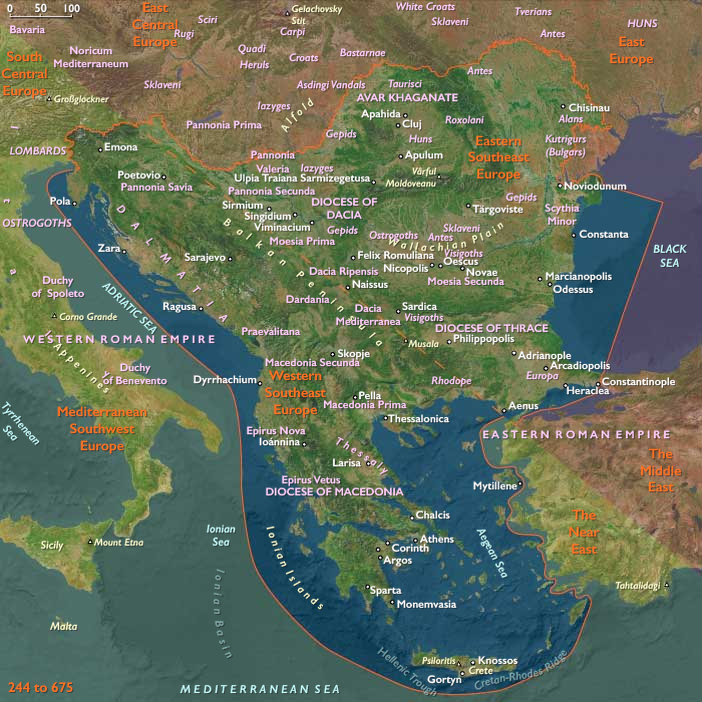
Subregions
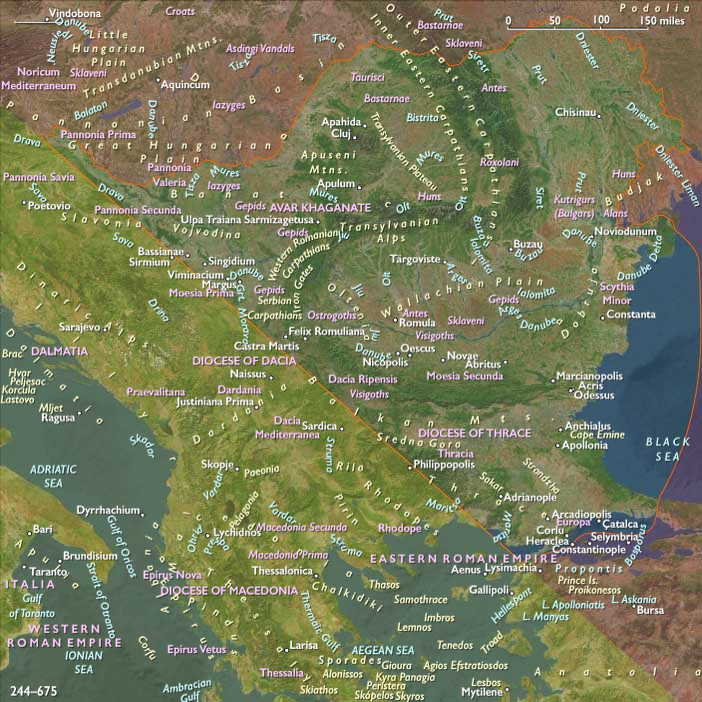
Years: 436 - 447
People
Groups
- Dacians, or Getae, or Geto-Dacians
- Thrace, Theme of
- Germans
- Thracia (Roman province)
- Dacia Mediterranea (Roman province)
- Dacia Ripensis (Roman province)
- Moesia II (Roman province)
- Moesia I (Roman province)
- Pannonia Secunda (Roman province)
- Europa (Roman province)
- Christianity, Nicene
- Hunnic Empire
- Roman Empire: Theodosian dynasty (Constantinople)
Topics
Commodoties
- Weapons
- Oils, gums, resins, and waxes
- Grains and produce
- Ceramics
- Strategic metals
- Slaves
- Beer, wine, and spirits
- Lumber
Subjects
Regions
Subregions