
Eastern Southeast Europe (424–435 CE): Stability Efforts …
Years: 424 - 435
Eastern Southeast Europe (424–435 CE): Stability Efforts and Ongoing Challenges
Settlement and Migration Patterns
Continued Migration Pressures
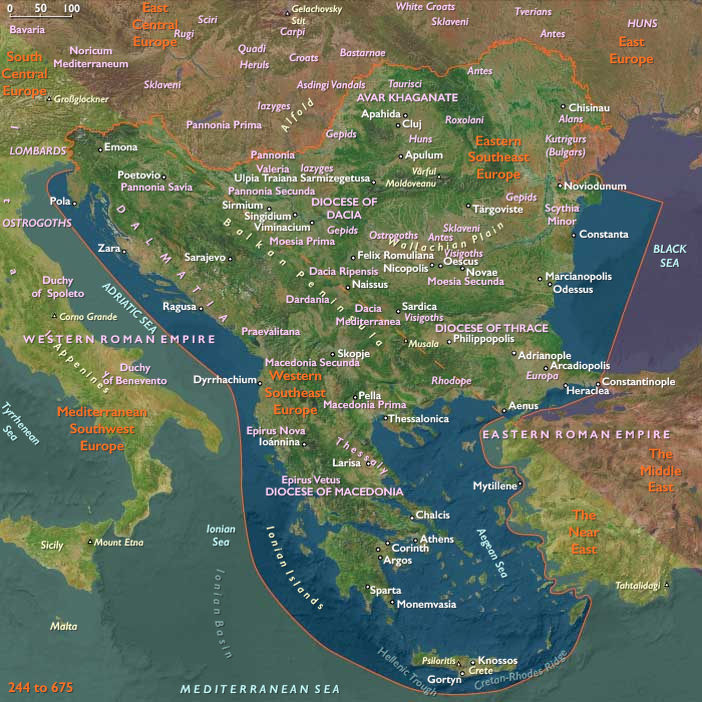
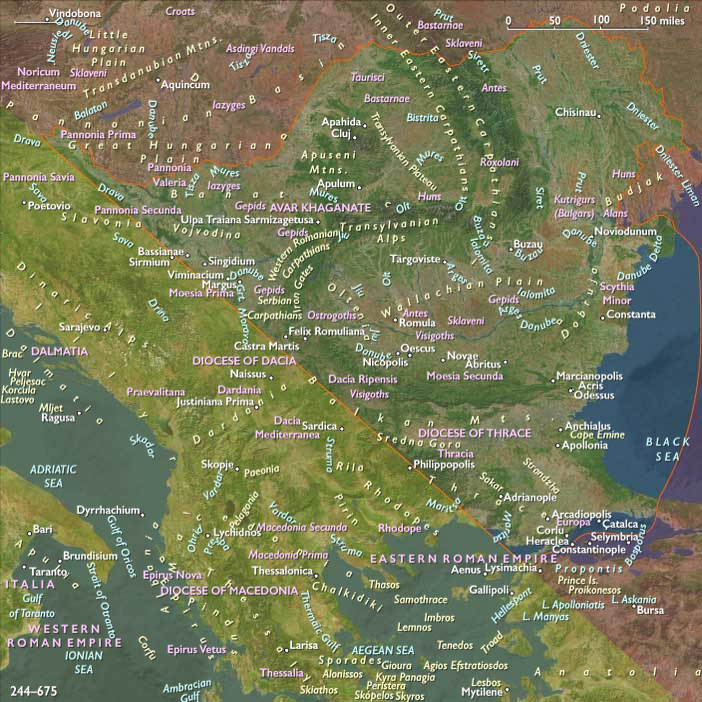
From 424 to 435 CE, Eastern Southeast Europe continued experiencing significant migration pressures, notably from the Huns and various Germanic groups. These movements necessitated further adaptation of settlements, continuously impacting regional demographics and social structures.
Urban Fortifications and Settlements
Cities including Constantinople and Philippopolis maintained and expanded their defensive infrastructures, fortifying urban boundaries and ensuring protection against external threats. These measures facilitated urban resilience amid continuous demographic changes.
Economic and Technological Developments
Economic Adaptation and Stability
Regional economies adapted to ongoing disruptions through flexible trade practices, sustained agricultural productivity, and strategic resource management. Constantinople notably remained a critical economic hub, securing vital trade routes and ensuring regional economic continuity.
Defensive and Technological Enhancements
Technological developments continued focusing on military defense, including advanced fortifications, military engineering, and improved logistical capabilities. These enhancements significantly supported regional stability and economic resilience.
Cultural and Artistic Developments
Artistic Resilience and Expression
Cultural activities maintained continuity, with artistic traditions evolving and integrating classical, Roman, and Christian influences. Public art, religious architecture, and urban monuments continued to flourish, expressing regional identity and resilience.
Scholarly Continuity and Innovation
Educational and intellectual institutions remained vibrant, preserving classical knowledge and adapting to changing political and social realities. Notably, Emperor Theodosius II funded the construction of the first University of Constantinople, significantly enhancing scholarly activity and reinforcing regional cultural and educational standards.
Social and Religious Developments
Governance Stability
Provincial administration and governance further adapted to ongoing challenges, enhancing local leadership and military preparedness. Effective management practices and administrative resilience ensured continued regional stability and coherence.
Christianity’s Continued Growth
Christianity further expanded its regional influence, solidifying its role in social, cultural, and political life. Religious institutions became increasingly central, reinforcing community bonds and social stability amid ongoing external pressures.
Long-Term Consequences and Historical Significance
The era from 424 to 435 CE was characterized by sustained migration pressures, robust defensive strategies, economic adaptations, and cultural resilience. These efforts significantly contributed to regional stability and established crucial precedents for Eastern Southeast Europe's continued historical development and integration into emerging Byzantine civilization.
People
Groups
- Dacians, or Getae, or Geto-Dacians
- Thrace, Theme of
- Germans
- Thracia (Roman province)
- Dacia Mediterranea (Roman province)
- Dacia Ripensis (Roman province)
- Moesia II (Roman province)
- Moesia I (Roman province)
- Pannonia Secunda (Roman province)
- Europa (Roman province)
- Christianity, Nicene
- Hunnic Empire
- Roman Empire: Theodosian dynasty (Constantinople)
Topics
Commodoties
- Weapons
- Oils, gums, resins, and waxes
- Grains and produce
- Ceramics
- Strategic metals
- Slaves
- Beer, wine, and spirits
- Lumber
Subjects
Regions
Subregions
Related Events
Showing 10 events out of 59010 total
Years: 424 - 435
People
Groups
- Dacians, or Getae, or Geto-Dacians
- Thrace, Theme of
- Germans
- Thracia (Roman province)
- Dacia Mediterranea (Roman province)
- Dacia Ripensis (Roman province)
- Moesia II (Roman province)
- Moesia I (Roman province)
- Pannonia Secunda (Roman province)
- Europa (Roman province)
- Christianity, Nicene
- Hunnic Empire
- Roman Empire: Theodosian dynasty (Constantinople)
Topics
Commodoties
- Weapons
- Oils, gums, resins, and waxes
- Grains and produce
- Ceramics
- Strategic metals
- Slaves
- Beer, wine, and spirits
- Lumber
Subjects
Regions
Subregions