
Eastern Southeast Europe (412–423 CE): Turmoil, Adaptation, …
Years: 412 - 423
Eastern Southeast Europe (412–423 CE): Turmoil, Adaptation, and Continuity
Settlement and Migration Patterns
Continuing Migrations and Invasions
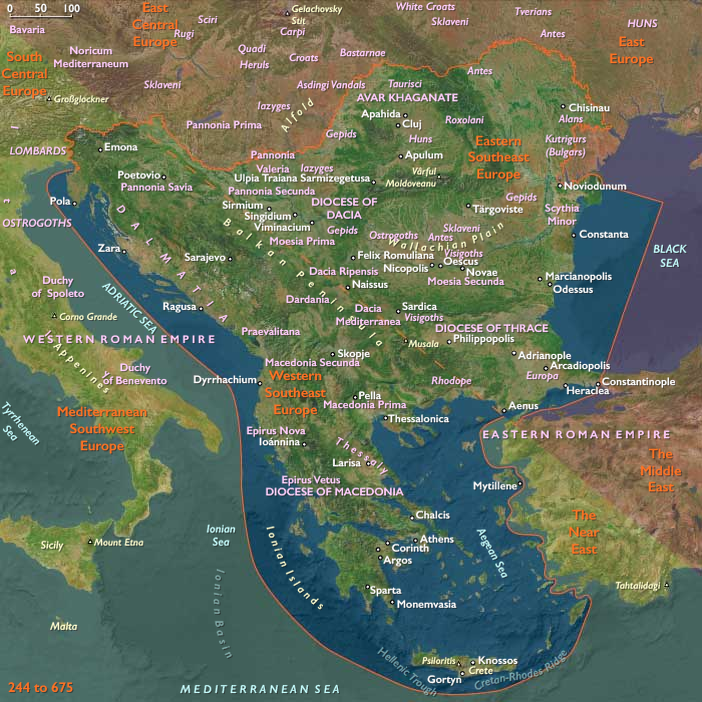
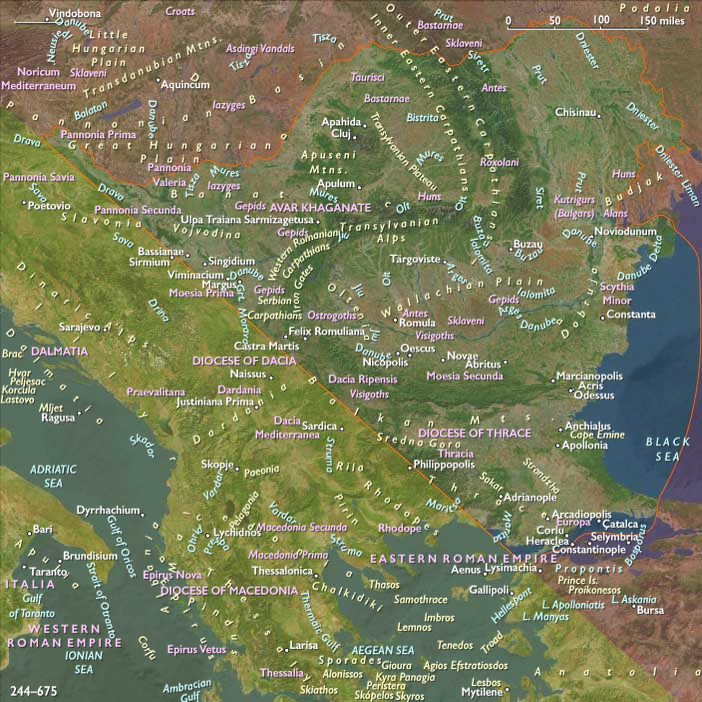
Between 412 and 423 CE, Eastern Southeast Europe faced sustained migratory pressures, especially from the Visigoths, now settled within Roman territories as foederati following Alaric's campaigns, and continuing threats from the Huns. These conditions influenced settlement patterns and prompted adaptive social integration of newcomers into existing communities.
Urban Defense Enhancements
Major cities such as Constantinople and Philippopolis continued to enhance their defensive fortifications, underscoring the ongoing necessity for robust protection against external threats. These improvements ensured urban stability and operational resilience despite persistent disruptions.
Economic and Technological Developments
Adaptive Economic Strategies
Regional economies exhibited adaptive strategies in response to the challenging environment, maintaining resilience through flexible trade practices and sustained agricultural productivity. Infrastructure investments and responsive administrative measures continued to support urban commerce and regional stability.
Military Technological Advancements
Significant advancements occurred in military technology and defensive infrastructure, including reinforced city walls, fortified positions, and improved logistics systems. These innovations enhanced regional security, ensuring continuity in commercial and agricultural activities.
Cultural and Artistic Developments
Sustained Cultural Expression
Despite ongoing disruptions, cultural life in Eastern Southeast Europe remained robust. Artistic and intellectual traditions evolved further, blending classical, Roman, and increasingly prominent Christian elements in public monuments, religious architecture, and scholarly works.
Intellectual Preservation
Educational institutions remained active, diligently preserving classical Greek and Roman knowledge. Scholars adapted to changing socio-political circumstances, ensuring intellectual continuity and cultural identity through sustained educational standards.
Social and Religious Developments
Governance Adjustments and Stability
Provincial administrative structures adapted strategically, enhancing local governance and military oversight to effectively manage ongoing regional challenges. These adjustments maintained coherence and administrative efficiency, reinforcing regional stability despite external pressures and internal tensions arising from the increasingly weakened Western Empire.
Expansion of Christianity
Christianity's role significantly expanded, increasingly embedding itself in regional social, cultural, and political life. Ecclesiastical institutions became more influential, fostering community cohesion and providing moral guidance and stability during turbulent periods.
Long-Term Consequences and Historical Significance
The period from 412 to 423 CE was marked by persistent external pressures and corresponding adaptive responses in economic, technological, administrative, and cultural spheres. These developments reinforced the region's resilience and significantly influenced Eastern Southeast Europe's historical trajectory during this critical transitional era.
Groups
- Dacians, or Getae, or Geto-Dacians
- Thrace, Theme of
- Thracia (Roman province)
- Dacia Mediterranea (Roman province)
- Dacia Ripensis (Roman province)
- Moesia I (Roman province)
- Moesia II (Roman province)
- Pannonia Secunda (Roman province)
- Europa (Roman province)
- Christianity, Nicene
- Hunnic Empire
- Roman Empire: Theodosian dynasty (Constantinople)
- Visigoths, Realm of the
Topics
Commodoties
- Weapons
- Oils, gums, resins, and waxes
- Grains and produce
- Ceramics
- Strategic metals
- Slaves
- Beer, wine, and spirits
- Lumber
Subjects
Regions
Subregions
Years: 412 - 423
Groups
- Dacians, or Getae, or Geto-Dacians
- Thrace, Theme of
- Thracia (Roman province)
- Dacia Mediterranea (Roman province)
- Dacia Ripensis (Roman province)
- Moesia I (Roman province)
- Moesia II (Roman province)
- Pannonia Secunda (Roman province)
- Europa (Roman province)
- Christianity, Nicene
- Hunnic Empire
- Roman Empire: Theodosian dynasty (Constantinople)
- Visigoths, Realm of the
Topics
Commodoties
- Weapons
- Oils, gums, resins, and waxes
- Grains and produce
- Ceramics
- Strategic metals
- Slaves
- Beer, wine, and spirits
- Lumber
Subjects
Regions
Subregions