
Eastern Southeast Europe (400–411 CE): Increasing Migrations …
Years: 400 - 411
Eastern Southeast Europe (400–411 CE): Increasing Migrations and Defensive Adjustments
Settlement and Migration Patterns
Intensified Barbarian Migrations
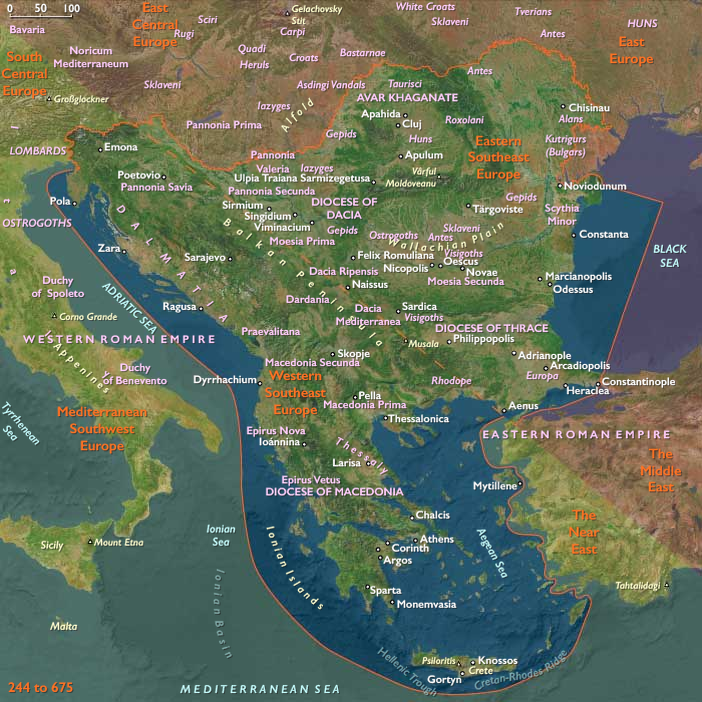
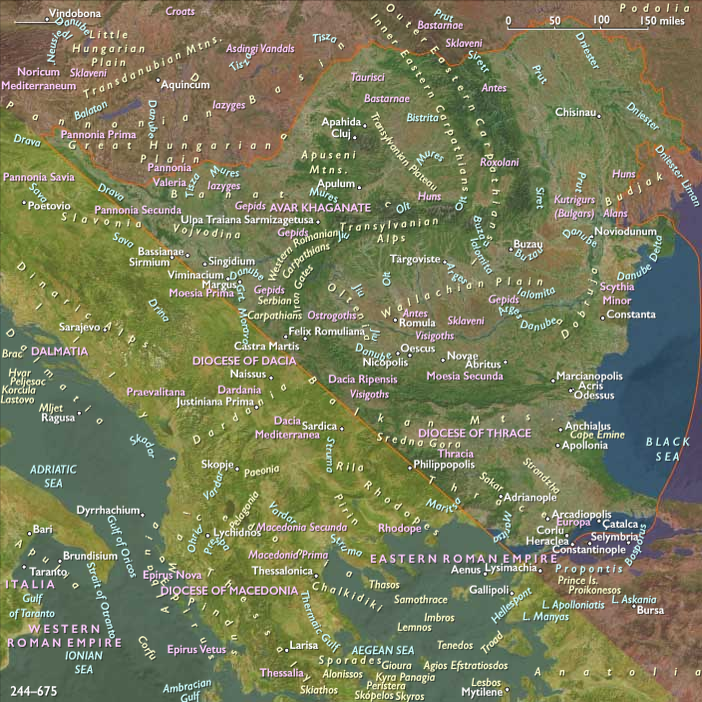
Between 400 and 411 CE, Eastern Southeast Europe witnessed significant migrations and invasions from groups such as the Visigoths, Ostrogoths, and Huns. These movements intensified pressures along the Roman Empire's borders, leading to growing settlements within the region and affecting urban and rural demographics.
Strengthened Urban Fortifications
Cities like Constantinople, Thessalonica, and Philippopolis further strengthened defensive infrastructure in response to increased external threats. Enhanced walls, fortresses, and military installations reflected adaptive responses to migration pressures.
Economic and Technological Developments
Economic Disruptions and Adaptations
Despite challenges posed by invasions, economic activity in the region remained resilient. Agricultural production, urban commerce, and trade continued, albeit with disruptions and adaptations to changing security and logistical conditions.
Military Technology and Infrastructure
Technological and infrastructural enhancements increasingly focused on defensive needs, including improved fortifications, weaponry, and military logistics. These developments ensured sustained military readiness and economic continuity in the face of mounting pressures.
Cultural and Artistic Developments
Cultural Resilience
Cultural activities persisted despite external disruptions, maintaining vibrant artistic and intellectual traditions. Urban centers continued producing sophisticated public art, monuments, and architecture that combined classical and emergent Christian themes.
Preservation and Adaptation of Knowledge
Educational and intellectual institutions remained active, adapting to the changing environment by preserving classical heritage and responding to new social realities. Scholars actively engaged in preserving and interpreting traditional knowledge.
Social and Religious Developments
Administrative Adjustments
Roman provincial administration adjusted significantly to address external threats, enhancing local governance structures and military oversight. This allowed for more effective management of regional challenges and sustained political coherence.
Expansion and Consolidation of Christianity
Christianity continued to expand its influence, with ecclesiastical institutions becoming more deeply integrated into regional social and political frameworks. The period saw increased establishment of churches, monasteries, and Christian communities throughout Eastern Southeast Europe.
Long-Term Consequences and Historical Significance
The era from 400 to 411 CE marked a critical phase of intensified migrations, enhanced defensive responses, and sustained cultural and religious developments. These adaptive responses laid crucial foundations for future regional stability and significantly influenced subsequent historical trajectories in Eastern Southeast Europe.
Groups
- Dacians, or Getae, or Geto-Dacians
- Dacia, Kingdom of
- Thrace, Theme of
- Thracia (Roman province)
- Dacia, Roman
- Dacia Aureliana (Roman province)
- Dacia Mediterranea (Roman province)
- Dacia Ripensis (Roman province)
- Moesia I (Roman province)
- Moesia II (Roman province)
- Pannonia Secunda (Roman province)
- Europa (Roman province)
- Christianity, Nicene
- Hunnic Empire
- Roman Empire: Theodosian dynasty (Constantinople)
- Visigoths, Realm of the
- Ostrogoths, Realms of the
Topics
Commodoties
- Weapons
- Oils, gums, resins, and waxes
- Grains and produce
- Ceramics
- Strategic metals
- Slaves
- Beer, wine, and spirits
- Lumber
Subjects
Regions
Subregions
Years: 400 - 411
Groups
- Dacians, or Getae, or Geto-Dacians
- Dacia, Kingdom of
- Thrace, Theme of
- Thracia (Roman province)
- Dacia, Roman
- Dacia Aureliana (Roman province)
- Dacia Mediterranea (Roman province)
- Dacia Ripensis (Roman province)
- Moesia I (Roman province)
- Moesia II (Roman province)
- Pannonia Secunda (Roman province)
- Europa (Roman province)
- Christianity, Nicene
- Hunnic Empire
- Roman Empire: Theodosian dynasty (Constantinople)
- Visigoths, Realm of the
- Ostrogoths, Realms of the
Topics
Commodoties
- Weapons
- Oils, gums, resins, and waxes
- Grains and produce
- Ceramics
- Strategic metals
- Slaves
- Beer, wine, and spirits
- Lumber
Subjects
Regions
Subregions