
Eastern Southeast Europe (352–363 CE): Frontier Conflict …
Years: 352 - 363
Eastern Southeast Europe (352–363 CE): Frontier Conflict and Imperial Realignment
Settlement and Migration Patterns
Continued Gothic Threats
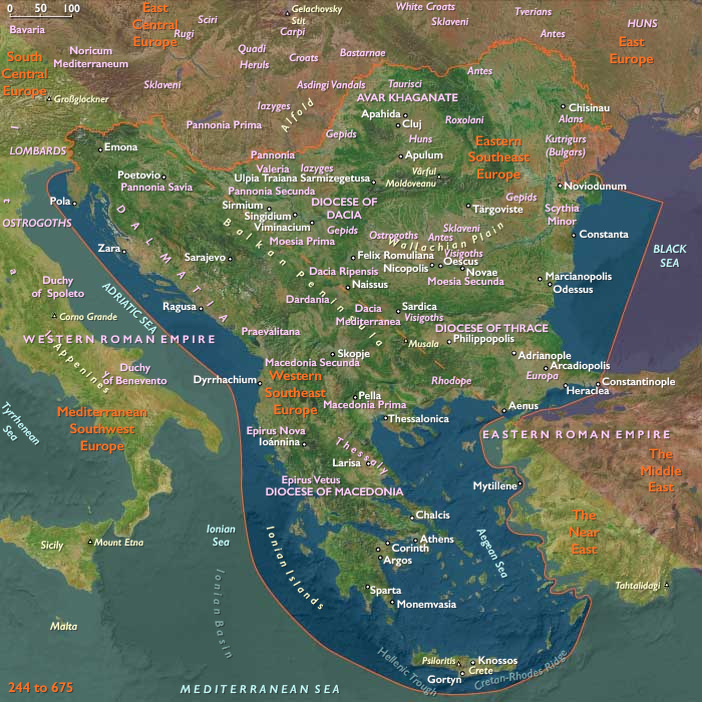
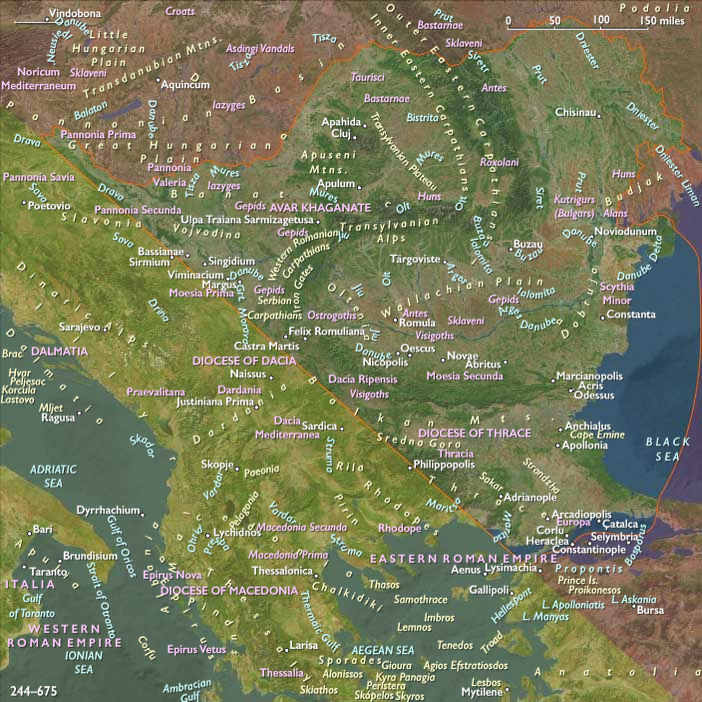
Between 352 and 363 CE, Gothic tribes continued to challenge the Roman defenses along the Danube frontier, escalating their raids deeper into Thracia and Moesia. These incursions resulted in increased instability for smaller settlements, leading many rural populations to seek refuge in fortified cities such as Serdica, Philippopolis, and Adrianople.
Roman Strategic Consolidation
Roman authorities intensified military activities along the Danube, establishing new fortifications and reinforcing existing infrastructure to manage ongoing Gothic incursions and other tribal pressures. These efforts aimed at stabilizing frontier regions and securing vital agricultural and economic resources.
Economic and Technological Developments
Economic Disruptions and Adaptations
Repeated frontier raids adversely impacted agriculture, particularly near vulnerable areas of Moesia and Thracia. Despite these disruptions, urban centers remained resilient, continuing commercial activities through strengthened defenses and strategic logistical support provided by imperial resources.
Enhanced Military Infrastructure
Significant military infrastructure improvements included reinforced fortifications, expanded road networks, and improved logistical capacity to support rapid troop movements and resource distribution. These technological adaptations significantly enhanced Roman defensive capabilities during ongoing conflicts.
Cultural and Artistic Developments
Continuation of Classical Traditions
Cultural life persisted despite external pressures, with continued investment in public architecture and religious buildings. Cities such as Constantinople and Philippopolis maintained vibrant cultural activities, supporting artistic patronage and preserving classical educational traditions.
Growth of Christian Art and Architecture
Christian artistic and architectural developments continued to flourish. Numerous churches and religious monuments were constructed or expanded, reflecting the growing dominance of Christianity as a central aspect of regional cultural identity.
Social and Religious Developments
Strengthening of Christianity's Influence
Christianity further consolidated its influence, gaining institutional strength and widespread acceptance. Bishops increasingly assumed critical roles in civic governance, community cohesion, and diplomatic interactions with Roman authorities.
Governance and Imperial Administration
Provincial governance structures evolved to respond effectively to military pressures and internal administrative challenges. Increased militarization and centralized oversight ensured more effective management of frontier regions, maintaining relative societal stability despite external disruptions.
Long-Term Consequences and Historical Significance
The period from 352 to 363 CE was marked by persistent frontier conflicts, enhanced Roman military responses, and growing cultural and religious cohesion. These developments contributed significantly to the evolving administrative and military strategies that defined subsequent eras, shaping the resilience and adaptive capacity of Eastern Southeast Europe during ongoing imperial challenges.
Groups
- Dacians, or Getae, or Geto-Dacians
- Transylvania, region of
- Macedonia, Roman
- Thrace, Theme of
- Gepids (East Germanic tribe)
- Goths (East Germanic tribe)
- Thracia (Roman province)
- Moesia Inferior (Roman province)
- Dacia, Roman
- Roman Empire: Tetrarchy
- Christianity, Nicene
Topics
Commodoties
Subjects
Regions
Subregions
Years: 352 - 363
Groups
- Dacians, or Getae, or Geto-Dacians
- Transylvania, region of
- Macedonia, Roman
- Thrace, Theme of
- Gepids (East Germanic tribe)
- Goths (East Germanic tribe)
- Thracia (Roman province)
- Moesia Inferior (Roman province)
- Dacia, Roman
- Roman Empire: Tetrarchy
- Christianity, Nicene
Topics
Commodoties
Subjects
Regions
Subregions