
Eastern Southeast Europe (328–339 CE): Imperial Reforms …
Years: 328 - 339
Eastern Southeast Europe (328–339 CE): Imperial Reforms and Religious Transformation
Settlement and Migration Patterns
Frontier Stability and Urban Growth
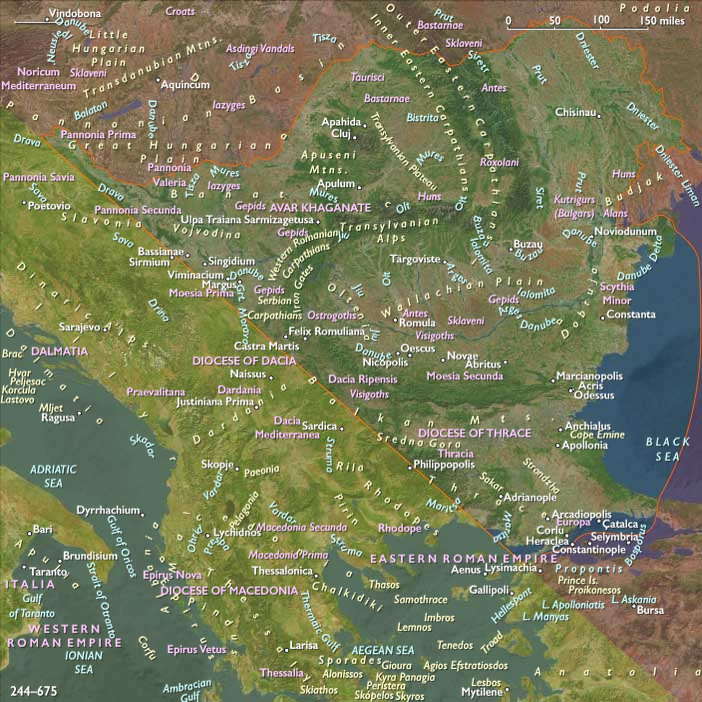
From 328 to 339 CE, Eastern Southeast Europe experienced relative frontier stability, enabling continued urban growth and demographic recovery. Major cities like Constantinople, Philippopolis (Plovdiv), and Serdica (Sofia) expanded as key administrative and economic hubs, benefiting from enhanced imperial protection and infrastructure investments.
Increased Roman Military Presence
The Roman Empire further reinforced its military presence along the Danube frontier to mitigate pressure from tribes such as the Goths and Gepids. This increased security bolstered settlement patterns, encouraging stability and economic activity in previously threatened areas.
Economic and Technological Developments
Economic Stability and Trade Revival
Regional economies experienced renewed vitality as security and stability improved trade conditions. Infrastructure projects, particularly in transportation and urban fortifications, facilitated robust trade connections between Eastern Southeast Europe and other Roman provinces, bolstering local markets and regional prosperity.
Technological and Infrastructure Enhancement
Roman authorities continued to invest in technological and infrastructural improvements, including enhanced road networks, bridges, and fortified urban defenses. These projects ensured sustained economic growth and effective military logistics, reinforcing regional stability.
Cultural and Artistic Developments
Expansion of Imperial and Religious Architecture
This era saw extensive construction and enhancement of public, imperial, and religious buildings. Major urban centers received new basilicas, forums, and public baths, reflecting imperial patronage and the expanding influence of Christianity across the region.
Flourishing Classical Scholarship
Educational institutions, especially those in Constantinople, further solidified their roles as centers of classical scholarship. The transmission and enhancement of Greek and Roman intellectual traditions contributed significantly to the cultural and intellectual life of the region.
Social and Religious Developments
Consolidation of Christianity under Constantine
The period from 328 to 339 CE marked significant religious transformation, characterized by Emperor Constantine the Great's support for Christianity. Constantine initiated construction of prominent Christian basilicas, promoted ecclesiastical structures, and fostered the widespread adoption of Christianity, reshaping social and religious landscapes.
Enhanced Provincial Administration
Roman provincial administration underwent further refinement, characterized by greater centralization and efficiency. Enhanced governance frameworks promoted stability, improved tax collection, and facilitated the effective integration of local elites into imperial administrative structures.
Long-Term Consequences and Historical Significance
The era from 328 to 339 CE was pivotal for Eastern Southeast Europe, defined by strengthened frontier defenses, urban expansion, robust economic recovery, and significant religious and administrative transformations. These developments provided essential foundations for sustained regional stability and prosperity, laying critical groundwork for the emerging Byzantine political and cultural identity.
People
Groups
- Dacians, or Getae, or Geto-Dacians
- Transylvania, region of
- Macedonia, Roman
- Thrace, Theme of
- Gepids (East Germanic tribe)
- Goths (East Germanic tribe)
- Thracia (Roman province)
- Moesia Inferior (Roman province)
- Dacia, Roman
- Roman Empire: Tetrarchy
- Christianity, Nicene
Topics
Commodoties
Subjects
Regions

Subregions
Related Events
Showing 2 events out of 2 total
Years: 328 - 339
People
Groups
- Dacians, or Getae, or Geto-Dacians
- Transylvania, region of
- Macedonia, Roman
- Thrace, Theme of
- Gepids (East Germanic tribe)
- Goths (East Germanic tribe)
- Thracia (Roman province)
- Moesia Inferior (Roman province)
- Dacia, Roman
- Roman Empire: Tetrarchy
- Christianity, Nicene
Topics
Commodoties
Subjects
Regions
Subregions