
Eastern Southeast Europe (304–315 CE): Administrative Reforms …
Years: 304 - 315
Eastern Southeast Europe (304–315 CE): Administrative Reforms and Religious Shifts
Settlement and Migration Patterns
Continued Frontier Pressures
Frontier pressures persisted from migrating tribes, including the Goths and Sarmatians, leading to increased defensive fortifications along the Danube and throughout Eastern Southeast Europe. The Roman military presence intensified in key strategic areas to secure provincial borders.
Economic and Technological Developments
Infrastructure Enhancements under Diocletian and Constantine
Significant infrastructure and administrative reforms occurred under Emperor Diocletian (284–305 CE) and his successor Constantine the Great (306–337 CE). Diocletian’s provincial reorganization improved administrative efficiency, directly impacting the economy through stabilized taxation and enhanced trade routes.
Strengthened Military Infrastructure
Military fortifications, bridges, and roadways received considerable investment, particularly along strategic frontier points such as the Lower Danube and around critical urban centers like Serdica (modern Sofia), ensuring more effective control and improved logistics.
Cultural and Artistic Developments
Artistic Resilience and Patronage
Despite persistent external threats, regional cultural life remained vibrant. Roman and Hellenistic artistic traditions continued, with new monumental architecture, mosaics, and sculptures commissioned by local elites and imperial administrators, especially in cities such as Constantinople and Philippopolis.
Rise of Christian Iconography
Christian art and iconography began gaining prominence, reflecting Christianity’s growing influence in the region. Early Christian symbols, frescoes, and funerary art became more common, particularly within urban centers and trade hubs.
Social and Religious Developments
Diocletian's Persecution and Religious Turmoil
The period saw significant religious turmoil, highlighted by Diocletian’s persecution (303–311 CE), the most severe persecution of Christians in Roman history. Eastern Southeast Europe experienced widespread enforcement of anti-Christian edicts, leading to social tension and resistance.
Edict of Toleration and Religious Transformation
In 311 CE, the Edict of Serdica (Sofia)—also known as Galerius’ Edict of Toleration—officially ended the persecution of Christians. Issued by Emperor Galerius in the provincial capital Serdica, it granted Christianity legal recognition, marking a significant turning point for religious freedom and integration within the empire.
Long-Term Consequences and Historical Significance
This era (304–315 CE) profoundly shaped Eastern Southeast Europe through significant administrative reforms, strengthened frontier defenses, and transformative religious shifts. The cessation of persecution and subsequent legalization of Christianity laid the foundation for Christianity’s ascendancy, influencing the cultural, social, and political development of the region for centuries to come.
People
Groups
- Dacians, or Getae, or Geto-Dacians
- Transylvania, region of
- Sarmatians
- Alans (Sarmatian tribal grouping)
- Macedonia, Roman
- Thrace, Theme of
- Gepids (East Germanic tribe)
- Goths (East Germanic tribe)
- Christians, Early
- Thracia (Roman province)
- Moesia Inferior (Roman province)
- Dacia, Roman
- Huns
- Roman Empire: Tetrarchy
Topics
Commodoties
Subjects
Regions
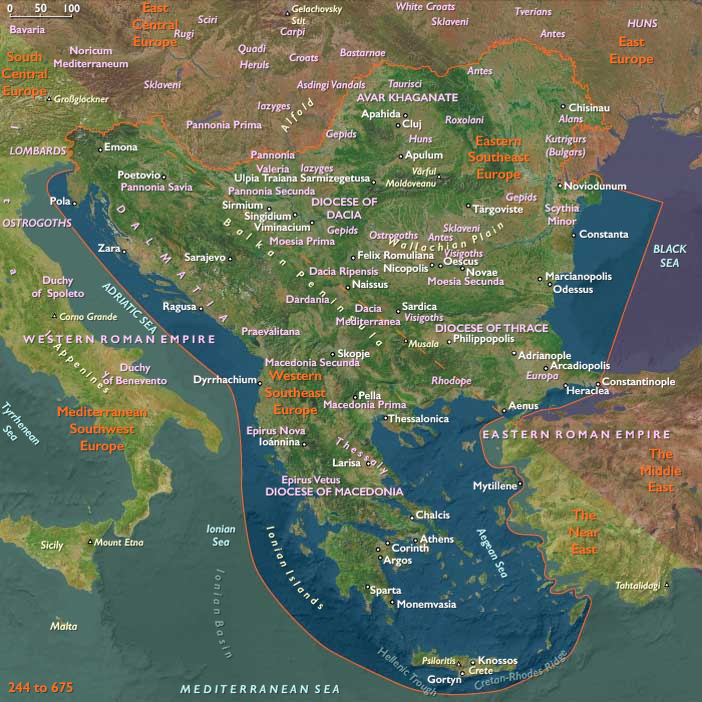
Subregions
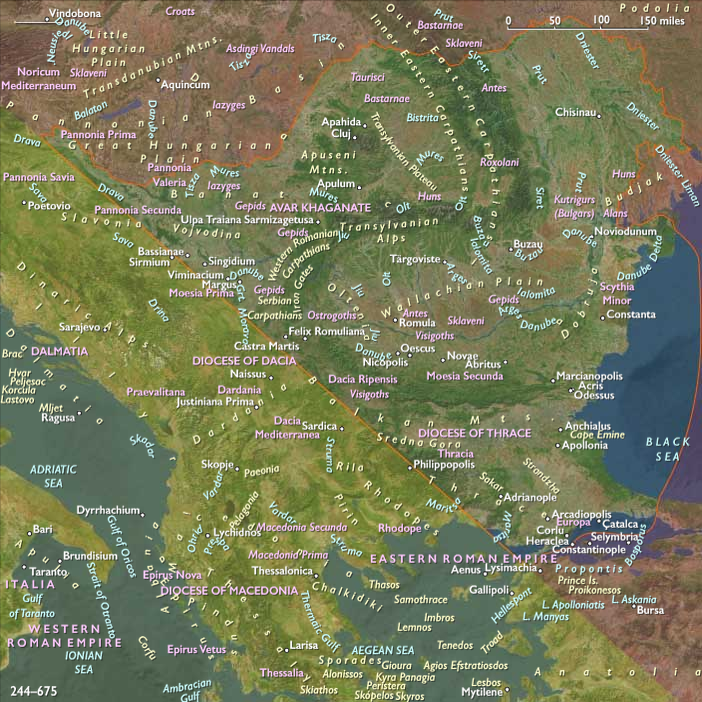
Years: 304 - 315
People
Groups
- Dacians, or Getae, or Geto-Dacians
- Transylvania, region of
- Sarmatians
- Alans (Sarmatian tribal grouping)
- Macedonia, Roman
- Thrace, Theme of
- Gepids (East Germanic tribe)
- Goths (East Germanic tribe)
- Christians, Early
- Thracia (Roman province)
- Moesia Inferior (Roman province)
- Dacia, Roman
- Huns
- Roman Empire: Tetrarchy
Topics
Commodoties
Subjects
Regions
Subregions