
Eastern Southeast Europe (280–291 CE): Imperial Stabilization …
Years: 280 - 291
Eastern Southeast Europe (280–291 CE): Imperial Stabilization and Frontier Reorganization
Settlement and Migration Patterns
Temporary Stabilization of Barbarian Incursions
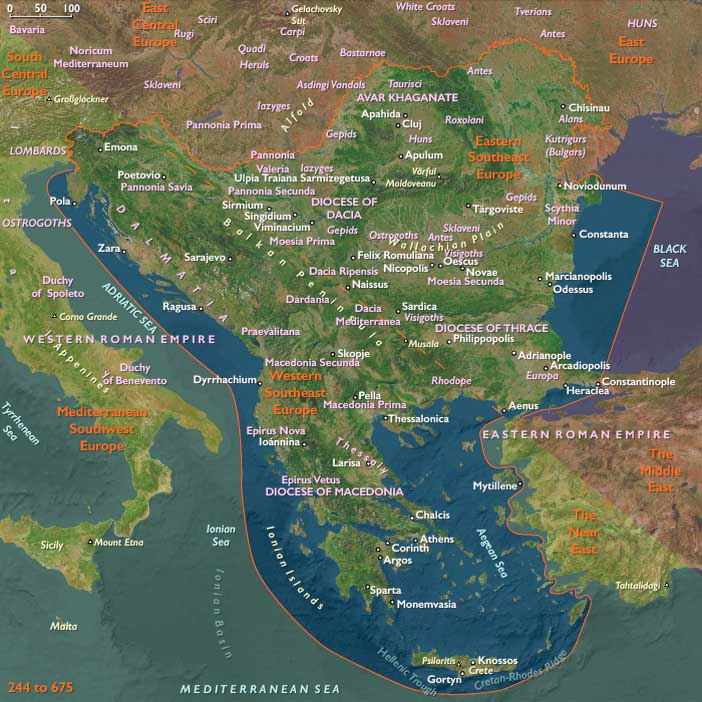
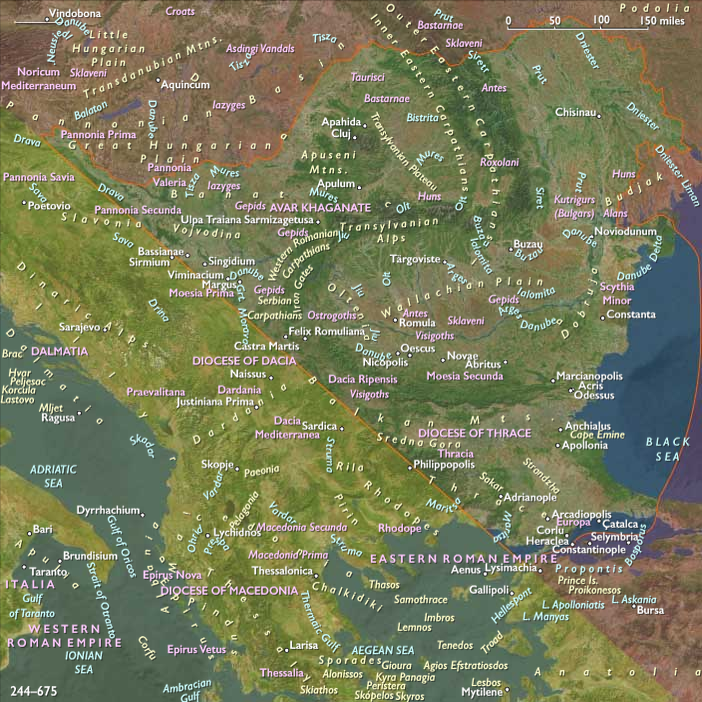
Between 280 and 291 CE, following the reforms and military successes of Emperor Aurelian (270–275 CE), Eastern Southeast Europe experienced a temporary lull in barbarian incursions. This allowed for a brief recovery of frontier regions and stabilization of Roman control in critical areas such as Thrace and Moesia.
Reinforcement of Urban Settlements
In response to earlier devastation, Roman authorities strengthened defenses in strategic cities like Philippopolis and fortified outposts along the Danube frontier. These fortifications provided enhanced security and encouraged gradual resettlement and repopulation efforts, contributing to modest urban revival.
Political and Military Developments
Diocletian’s Ascendancy and Imperial Reforms
The ascension of Emperor Diocletian in 284 CE marked a significant turning point, bringing greater political stability to Eastern Southeast Europe. Diocletian initiated comprehensive administrative and military reforms, including the Tetrarchy (rule by four emperors), substantially improving governance and frontier defense efficiency.
Frontier Defense and Reorganization
Diocletian strengthened frontier fortifications along the Danube and restructured provincial administration, enhancing the responsiveness and effectiveness of the Roman military. His measures significantly improved regional security and restored imperial authority over contested territories.
Economic and Technological Developments
Economic Recovery and Agricultural Revitalization
The temporary stabilization under Diocletian allowed for a partial recovery of regional agriculture and commerce. Agricultural production and trade resumed more consistently, especially in fortified towns along major roads and river networks, boosting regional economic activity.
Infrastructure Restoration and Investment
Renewed investments in infrastructure, including repairs to vital roads and enhancements of defensive fortifications, significantly improved economic connectivity and military logistics. These projects facilitated commerce and stabilized urban life, laying the groundwork for future prosperity.
Cultural and Artistic Developments
Modest Revival of Urban Cultural Life
Urban centers began to experience a modest revival of cultural and public activities, with limited restoration of temples, public spaces, and civic buildings. Artistic expressions, though subdued compared to earlier eras, continued reflecting traditional Roman themes emphasizing imperial authority and resilience.
Social and Religious Developments
Enhanced Centralized Governance
Diocletian’s reforms significantly enhanced centralized governance, reasserting imperial authority and reinforcing provincial administration. This strengthened local administrative structures, improved taxation efficiency, and secured resources to sustain military and civic infrastructure.
Religious Stability and Pluralism
Religious life in the region remained pluralistic, characterized by traditional Roman religious practices alongside growing Christian communities. Christianity continued expanding in urban areas, gradually increasing its social presence despite periodic persecutions and restrictions.
Long-Term Consequences and Historical Significance
The era from 280 to 291 CE marked a critical phase of imperial stabilization and frontier reorganization, largely due to Diocletian’s effective administrative and military reforms. This period significantly restored regional stability, facilitated modest economic and cultural recovery, and established foundational administrative structures that would influence Eastern Southeast Europe’s evolution in subsequent decades.
People
Groups
- Dacians, or Getae, or Geto-Dacians
- Macedonia, Roman
- Thrace, Theme of
- Goths (East Germanic tribe)
- Christians, Early
- Thracia (Roman province)
- Moesia Inferior (Roman province)
- Dacia, Roman
- Roman Empire (Rome): Non-dynastic
- Roman Empire: Tetrarchy
Topics
Commodoties
Subjects
Regions
Subregions
Related Events
Showing 10 events out of 60185 total
Years: 280 - 291
People
Groups
- Dacians, or Getae, or Geto-Dacians
- Macedonia, Roman
- Thrace, Theme of
- Goths (East Germanic tribe)
- Christians, Early
- Thracia (Roman province)
- Moesia Inferior (Roman province)
- Dacia, Roman
- Roman Empire (Rome): Non-dynastic
- Roman Empire: Tetrarchy
Topics
Commodoties
Subjects
Regions
Subregions