
Eastern Southeast Europe (256–267 CE): Imperial Instability …
Years: 256 - 267
Eastern Southeast Europe (256–267 CE): Imperial Instability and Frontier Conflict
Settlement and Migration Patterns
Continued Gothic Incursions
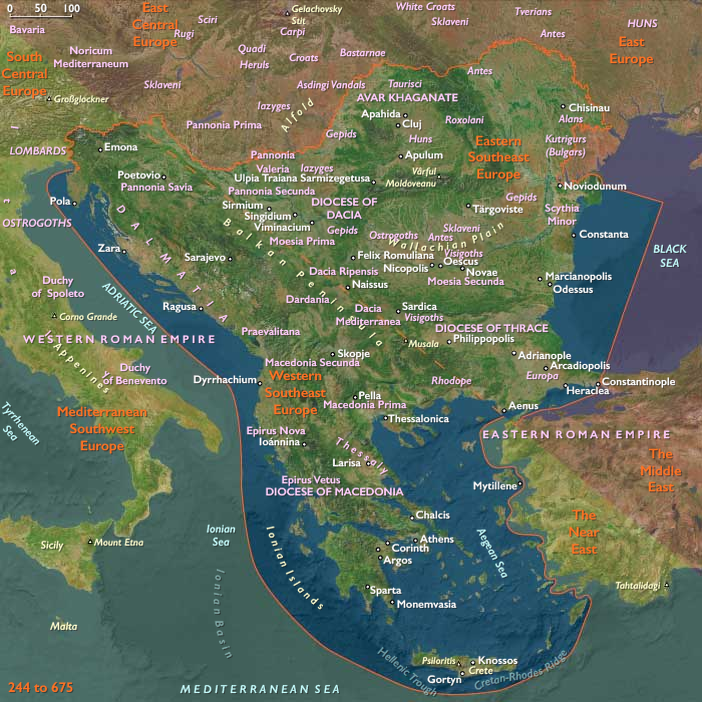
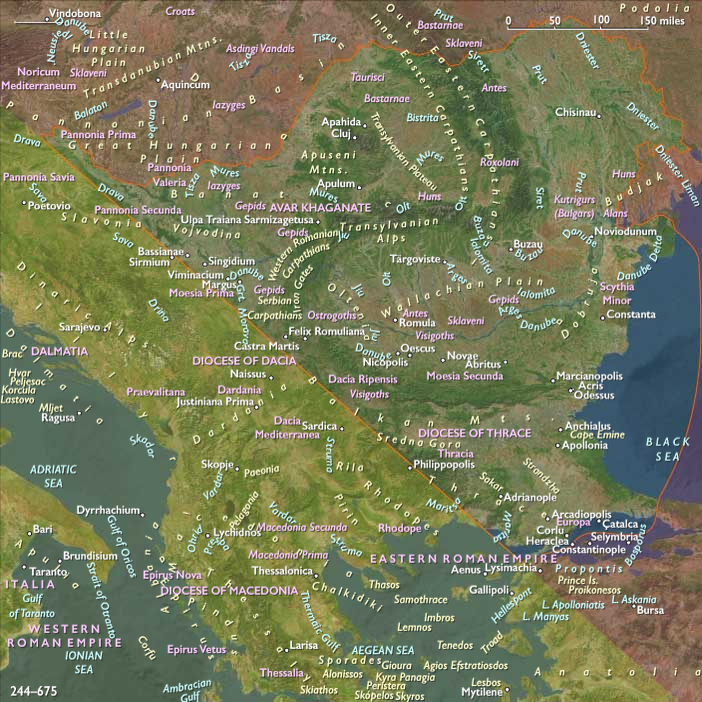
Following Cniva's precedent, Gothic and other Germanic tribes continued frequent incursions across the Danube frontier, destabilizing settlements throughout Thrace, Moesia, and surrounding provinces. Roman frontier defenses were repeatedly tested, causing further demographic disruptions and forced relocations of local populations.
Political and Military Developments
Imperial Instability and Succession Crises
This era witnessed significant political instability and frequent changes of emperors, weakening Roman governance in Eastern Southeast Europe. Rapid turnovers of imperial authority undermined efforts at coherent frontier defense, allowing Gothic and other tribal incursions to become more frequent and bold.
Defensive Consolidation under Gallienus
In response to escalating crises, Emperor Gallienus (r. 253–268 CE) initiated crucial military reforms, including establishing mobile cavalry forces and reinforcing strategic fortifications along the Danube. These measures aimed to contain frequent barbarian raids, though their effectiveness remained limited amid persistent instability.
Economic and Technological Developments
Strained Economic Conditions
Economic conditions worsened under constant threat of invasion, severely disrupting agricultural production and regional trade networks. Markets suffered persistent insecurity, weakening regional commerce, and prosperity previously enjoyed during stable imperial eras.
Focus on Defensive Infrastructure
Investment in regional infrastructure primarily focused on defensive fortifications, bolstering cities and military outposts along frontier zones. Existing Roman roads and supply routes received critical attention to support rapid military mobilization.
Cultural and Artistic Developments
Cultural Stagnation Amid Crisis
The ongoing frontier conflicts significantly constrained cultural and artistic production. Resources shifted away from monumental public and civic projects toward immediate military and defensive needs, limiting new cultural initiatives.
Social and Religious Developments
Social Fragmentation and Local Autonomy
Social cohesion weakened under persistent threats and imperial neglect, causing local elites to assume greater autonomy for defense and governance. Communities increasingly relied on local leadership rather than distant imperial authority, reflecting broader trends toward decentralization.
Continuity of Religious Practices
Despite instability, traditional Roman religious observances continued to provide social cohesion. Christianity slowly expanded, though its growth was uneven amid disrupted societal conditions and regional insecurity.
Long-Term Consequences and Historical Significance
The era from 256 to 267 CE represented a critical stage of Roman imperial decline in Eastern Southeast Europe, marked by increased frontier instability, economic strain, and social fragmentation. These developments significantly undermined regional stability, laying groundwork for later, more profound transformations in the region's political and cultural landscape.
People
Groups
- Dacians, or Getae, or Geto-Dacians
- Macedonia, Roman
- Thrace, Theme of
- Goths (East Germanic tribe)
- Christians, Early
- Thracia (Roman province)
- Moesia Inferior (Roman province)
- Dacia, Roman
- Roman Empire (Rome): Non-dynastic
Topics
- Roman Age Optimum
- Crisis of the Third Century (Roman Civil “War” of 235-84)
- Roman Gothic War, Second
Commodoties
Subjects
Regions
Subregions
Related Events
Showing 10 events out of 60348 total
Years: 256 - 267
People
Groups
- Dacians, or Getae, or Geto-Dacians
- Macedonia, Roman
- Thrace, Theme of
- Goths (East Germanic tribe)
- Christians, Early
- Thracia (Roman province)
- Moesia Inferior (Roman province)
- Dacia, Roman
- Roman Empire (Rome): Non-dynastic
Topics
- Roman Age Optimum
- Crisis of the Third Century (Roman Civil “War” of 235-84)
- Roman Gothic War, Second
Commodoties
Subjects
Regions
Subregions